
7 Essential Questions to Ask When Interviewing Someone

Nearly 80 percent of American tech startups now rely on AI tools to refine their candidate interviews and assessments. For HR professionals and hiring managers across Germany, Japan, Canada, and beyond, the pressure to identify not just talent but the right fit is stronger than ever. This guide unpacks proven, AI-enhanced interview questions and strategies designed to reveal authentic motivation, problem-solving ability, and real-world collaboration skills in every candidate.
Table of Contents
- What Motivates You to Work in This Role?
- How Do You Approach Problem-Solving Challenges?
- Can You Share Examples of Team Collaboration?
- How Do You Stay Updated on Industry Trends?
- Describe a Time You Used AI Tools Effectively
- How Do You Handle Feedback and Setbacks?
- What Are Your Career Goals in a Tech Startup?
Quick Summary
| Takeaway | Explanation |
|---|---|
| 1. Identify Core Motivation | Understand candidates’ intrinsic motivation for the role to gauge alignment with organizational goals. |
| 2. Demonstrate Problem-Solving Skills | Candidates should display a structured approach to challenges, illustrating cognitive flexibility and strategic reasoning. |
| 3. Highlight Team Collaboration Experiences | Showcase specific examples of effective teamwork that emphasize clear communication and mutual respect. |
| 4. Stay Updated on Trends | Develop a continuous learning strategy that includes diverse information sources and networking for professional relevance. |
| 5. Showcase Growth from Feedback | Illustrate how constructive feedback has led to personal and professional development, demonstrating emotional intelligence. |
1. What Motivates You to Work in This Role?
Understanding a candidate’s core professional motivation reveals far more than a standard job response. This interview question serves as a strategic window into their personal drive, career alignment, and potential organizational fit.
When candidates explain their motivation, they are essentially mapping out their professional narrative. Recruiters seek responses that demonstrate more than surface level interest they want to see intrinsic motivation linked to genuine passion. The goal is uncovering whether the candidate’s professional goals authentically connect with the role and company mission.
Research indicates that motivation can be analyzed thematically to reveal underlying career drivers such as personal growth, impact potential, and organizational culture compatibility. Exceptional candidates will articulate motivation beyond basic salary considerations, highlighting deeper professional aspirations.
Strong answers typically encompass three key dimensions:
- Personal Interest: Genuine enthusiasm for the specific role or industry
- Professional Growth: Clear trajectory of skill development and career progression
- Impact Potential: Desire to contribute meaningfully to organizational objectives
Examples might include a software engineer discussing passion for solving complex technological challenges, or a marketing professional explaining excitement about driving brand innovation. The most compelling responses connect individual ambition with broader organizational goals.
Pro tip: Prepare candidates by encouraging them to reflect on their professional journey and craft a narrative that demonstrates authentic alignment between their skills, aspirations, and the role’s requirements.
2. How Do You Approach Problem-Solving Challenges?
Problem-solving skills represent far more than technical ability they reveal a candidate’s cognitive flexibility and professional resilience. Understanding how an individual navigates challenges provides critical insight into their potential performance and adaptability.
Research indicates that problem-solving can be systematically analyzed through thematic exploration of cognitive strategies, revealing complex patterns of critical thinking and decision-making. Effective problem solvers demonstrate several key characteristics that set them apart in professional environments.
Key Elements of Strong Problem-Solving Approaches:
- Systematic Analysis: Breaking complex issues into manageable components
- Critical Thinking: Evaluating information objectively and logically
- Creative Reasoning: Generating innovative solutions beyond conventional approaches
- Collaborative Mindset: Willingness to seek input and perspectives from team members
- Adaptable Methodology: Flexibility to adjust strategies when initial approaches fail
Successful candidates typically showcase problem-solving through structured narratives that explain their thought process. They articulate not just the solution but the reasoning behind their approach highlighting steps like identifying root causes, generating potential solutions, and evaluating outcomes.
In practical terms, interviewers seek candidates who can demonstrate a methodical yet flexible approach to challenges. This means showing an ability to gather relevant information, analyze multiple perspectives, and develop strategic solutions that balance creativity with pragmatic implementation.
Pro tip: Practice describing a complex problem you solved using the STAR method (Situation, Task, Action, Result) to provide a clear, compelling narrative of your problem-solving capabilities.
3. Can You Share Examples of Team Collaboration?
Team collaboration represents more than just working together it reveals a candidate’s interpersonal skills, communication abilities, and potential to contribute effectively in a group environment. Understanding how an individual approaches collaborative work provides critical insights into their professional adaptability.
Research on team collaboration demonstrates its profound impact on problem solving and professional engagement, highlighting the importance of shared responsibilities and collective achievement.
Essential Dimensions of Effective Team Collaboration:
- Clear Communication: Articulating ideas transparently and listening actively
- Mutual Respect: Valuing diverse perspectives and individual contributions
- Shared Accountability: Taking collective ownership of team outcomes
- Constructive Conflict Resolution: Addressing differences professionally
- Adaptive Teamwork: Flexibly responding to changing project requirements
Exceptional candidates will illustrate collaboration through specific narratives that demonstrate:
- How they supported team objectives
- Specific challenges they helped overcome
- Ways they bridged communication gaps
- Examples of collaborative problem solving
Interviewers seek evidence of collaborative intelligence beyond mere technical skills. This means showing an ability to integrate individual strengths into a cohesive team dynamic, foster positive working relationships, and drive collective success.
Compelling collaboration stories often highlight scenarios where the candidate played a pivotal role in achieving group goals through strategic communication, empathy, and proactive engagement.
Pro tip: Structure your collaboration examples using concrete scenarios that showcase your ability to work effectively within diverse team environments, emphasizing specific actions and positive outcomes.
4. How Do You Stay Updated on Industry Trends?
In rapidly evolving professional landscapes, the ability to stay current represents a critical competitive advantage. Proactive learning and continuous knowledge acquisition distinguish top performers from average professionals.
Monitoring industry developments through strategic information gathering enables professionals to anticipate changes, adapt quickly, and maintain professional relevance.
Strategic Approaches to Industry Trend Tracking:
- Digital Information Sources
- Professional newsletters
- Industry specific podcasts
- Targeted social media channels
- Specialized online forums
- Academic and Professional Resources
- Peer reviewed journals
- Academic conference proceedings
- Research publication platforms
- Professional association publications
- Networking Channels
- LinkedIn professional groups
- Industry conferences
- Webinars and virtual summits
- Professional mentorship networks
Successful professionals demonstrate a systematic approach to continuous learning. This means developing a personalized information ecosystem that provides diverse perspectives and timely insights into emerging trends, technological advancements, and industry transformations.
Interviewers appreciate candidates who show intellectual curiosity beyond passive information consumption. They seek individuals who not only track trends but can analyze implications, synthesize information, and develop strategic insights.
Pro tip: Create a structured weekly learning routine that dedicates specific time blocks to industry research, ensuring consistent and intentional professional development.
5. Describe a Time You Used AI Tools Effectively
AI technology has transformed professional workflows, offering unprecedented opportunities for efficiency and innovation. Interviewers want to understand not just your awareness of AI tools, but your strategic ability to leverage them meaningfully.
Generative AI tools are increasingly integrated into professional environments, demonstrating the critical importance of showcasing practical AI implementation skills.
Key Dimensions of Effective AI Tool Usage:
- Problem Identification
- Recognize specific challenges suited for AI intervention
- Understand tool capabilities and limitations
- Strategic Implementation
- Select appropriate AI tools for specific tasks
- Maintain human oversight and critical evaluation
- Measurable Outcomes
- Quantify improvements in productivity
- Demonstrate tangible results from AI integration
Exceptional candidates articulate AI tool usage through concrete narrative frameworks that highlight:
- Specific work scenarios
- Challenges encountered
- AI tool selection rationale
- Quantifiable performance improvements
- Ethical considerations and human judgment
Interviewers seek evidence of intelligent AI augmentation not blind technological dependence. This means showing how you use AI as a strategic partner that enhances rather than replaces human capabilities.
Compelling stories might include scenarios like using AI for data analysis, generating initial drafts, automating repetitive tasks, or solving complex computational problems while maintaining critical human insight.
Pro tip: Structure your AI tool usage examples using the STAR method (Situation, Task, Action, Result) to provide a clear, compelling narrative of your technological competence.
6. How Do You Handle Feedback and Setbacks?
Personal and professional growth emerges not from perfection, but from how skillfully one navigates challenges and incorporates constructive feedback. Resilience represents a critical differentiator between individuals who stagnate and those who continuously improve.
Academic research highlights the psychological dimensions of adaptability and learning from setbacks, emphasizing the importance of reflective practice and strategic personal development.
Constructive Feedback Processing Framework:
- Emotional Regulation
- Receive feedback without defensiveness
- Separate personal worth from performance critique
- Maintain professional composure
- Analytical Approach
- Identify specific improvement areas
- Request concrete examples
- Develop targeted action plans
- Continuous Improvement
- Implement suggested modifications
- Track progress systematically
- Demonstrate commitment to growth
Exceptional candidates demonstrate emotional intelligence by transforming feedback into strategic personal development opportunities. They view setbacks as informative experiences rather than personal failures.
Interviewers seek evidence of:
- Self awareness
- Openness to learning
- Proactive improvement strategies
- Mature emotional responses
Effective feedback handling involves three key psychological skills:
- Active listening
- Constructive interpretation
- Purposeful implementation
Strong responses showcase a narrative of personal transformation through challenges, highlighting specific instances where feedback triggered meaningful professional growth.
Pro tip: Prepare specific stories that demonstrate your ability to convert critical feedback into tangible performance improvements, showing a pattern of continuous learning and resilience.
7. What Are Your Career Goals in a Tech Startup?
Career goals in tech startups represent far more than personal ambition they reflect a candidate’s strategic vision, adaptability, and potential for organizational alignment. Understanding a candidate’s professional trajectory provides critical insights into their long-term potential and cultural fit.
Research reveals nuanced narratives of career aspirations in technology environments, demonstrating the complex interplay between individual objectives and organizational innovation.
Strategic Career Goal Dimensions:
- Professional Development
- Technical skill advancement
- Leadership potential
- Cross functional expertise
- Organizational Contribution
- Innovation potential
- Problem solving capabilities
- Alignment with startup mission
- Personal Growth
- Learning opportunities
- Challenge seeking mindset
- Entrepreneurial spirit
Compelling career goal responses typically demonstrate:
- Clear understanding of startup dynamics
- Realistic yet ambitious trajectory
- Commitment to continuous learning
- Passion for technological innovation
Interviewers seek candidates who view career goals as dynamic roadmaps rather than static destinations. This means showing flexibility, intellectual curiosity, and a genuine desire to evolve alongside emerging technological landscapes.
Exceptional candidates articulate goals that balance personal ambition with organizational value creation, showcasing how their individual growth directly contributes to broader company objectives.
Pro tip: Structure your career goals narrative using specific milestones, emphasizing how each stage of professional development creates increasing value for both yourself and the potential employer.
This table summarizes key strategies and insights discussed throughout the article to effectively answer various professional interview questions.
Master Your Interview Process with Real-Time AI Support
The article highlights critical challenges like uncovering a candidate’s true motivation, assessing problem-solving skills, and evaluating collaboration prowess. These essential interview questions demand clear, insightful responses that align a candidate’s ambitions with your organizational goals. However, keeping track of every answer and analyzing them on the spot can feel overwhelming. You want to confidently identify the best fit for your team without missing valuable details or insights.
Our real-time AI job interview assistant at Parakeet AI is designed to solve this exact problem. It listens carefully during your interviews and instantly provides smart, AI-generated answers based on key concepts such as motivation, problem solving, and team collaboration. By bridging sophisticated AI technology with your hiring needs, Parakeet AI helps you gain deeper understanding, stay focused, and make better decisions faster.
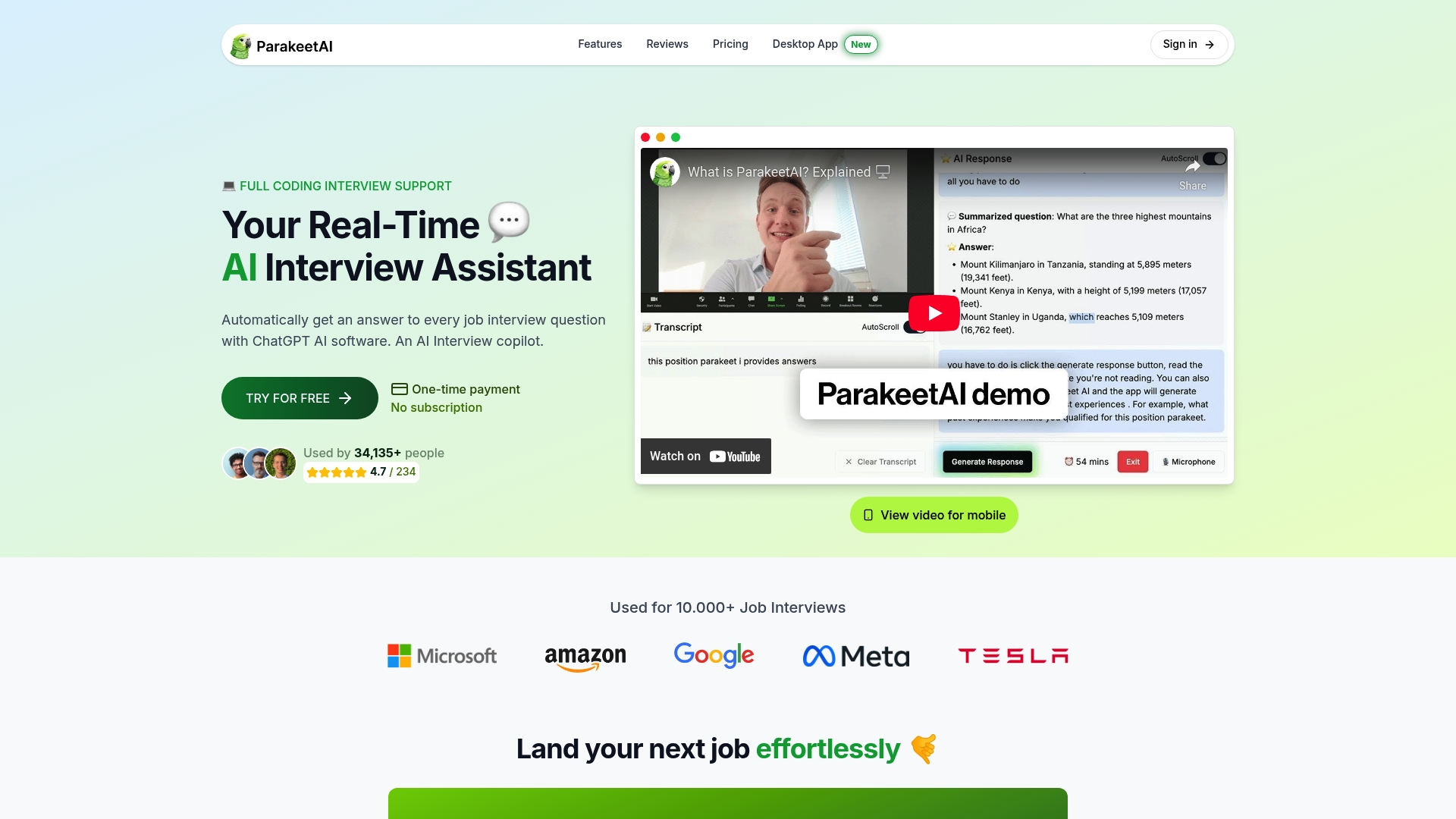
Take the guesswork out of interviewing and elevate your recruitment game today. Experience firsthand how Parakeet AI transforms interview conversations into actionable insights. Get started now and ensure you never miss a critical answer again.
Frequently Asked Questions
What should I consider when asking about a candidate’s motivation?
Understanding a candidate’s motivation helps reveal their alignment with the role and the organization. Start by encouraging them to share personal interests and professional aspirations related to the position, ensuring their goals connect with the company mission.
How can I assess a candidate’s problem-solving skills during an interview?
To evaluate problem-solving skills, ask candidates to describe how they approach challenges. Encourage them to use specific examples that illustrate their thought processes, and look for structured narratives that highlight their critical thinking and adaptability.
What key aspects should I look for in a candidate’s collaboration examples?
Focus on how candidates communicate, respect diverse opinions, and take team accountability. Request specific stories that demonstrate their contributions to group objectives and effective conflict resolution, showcasing their ability to work cohesively within a team.
How can I determine if a candidate stays current on industry trends?
Ask candidates about the specific methods they use to keep informed, such as following newsletters or participating in professional networks. Assess their answers based on their proactive learning approach and whether they can articulate insights into recent developments in their field.
What is the best way to handle a candidate’s use of AI tools during an interview?
When discussing AI tool usage, ask candidates to explain specific instances where they applied such tools effectively. Encourage them to provide a clear narrative that includes the problem, their chosen AI solution, and the measurable impact it had on their work.
How should I approach questions about a candidate’s handling of feedback and setbacks?
Inquire about their experiences with feedback and how they’ve used it for personal and professional growth. Look for candidates that illustrate resilience and a commitment to continuous improvement through actionable examples of how they have adapted based on constructive criticism.