
7 Great Questions to Ask at the End of an Interview

Over 60 percent of American job seekers say they have left interviews unsure about what truly matters to potential employers. Every conversation during the hiring process offers a chance to learn more, yet many candidates miss out on key insights that can boost their confidence and performance. By asking the right questions at the right moments, you gain a clearer picture of expectations, growth prospects, and company culture so you make smarter career choices.
Table of Contents
- 1. What Does Success Look Like In This Role?
- 2. How Would You Describe The Team Culture?
- 3. What Challenges Are Facing This Department?
- 4. What Are The Next Steps In The Interview Process?
- 5. What Opportunities Are There For Growth And Development?
- 6. How Do You Measure Employee Performance?
- 7. Is There Anything About My Background That Concerns You?
Quick Summary
| Key Message | Explanation |
|---|---|
| 1. Define success in the role | Clarify performance metrics to align expectations and showcase your commitment to excellence. |
| 2. Inquire about team culture | Understanding interpersonal dynamics helps assess your compatibility with the organization’s values and working style. |
| 3. Ask about departmental challenges | This reveals organizational needs and allows you to frame your skills in a solution-oriented perspective. |
| 4. Clarify the interview process steps | Knowing the timeline aids in managing expectations and shows your proactive approach towards the opportunity. |
| 5. Explore growth opportunities | Understanding development pathways reinforces your ambition, indicating you view the role as a long-term career investment. |
1. What Does Success Look Like in This Role?
Understanding what success means in a specific job role goes far beyond simply meeting basic job requirements. By directly asking about success metrics during an interview, you demonstrate strategic thinking and a commitment to high performance.
When you inquire about success in the role, you’re revealing your professional mindset and genuine interest in exceeding expectations. This question helps you gain crystal clear insight into how the company defines performance and achievement, ensuring you understand precisely what will be expected of you.
The key is to frame this question thoughtfully. You want to understand specific, measurable outcomes that indicate exceptional performance. Are there quarterly targets? Project completion benchmarks? Client satisfaction rates? By getting these details, you transform a generic conversation into a strategic discussion about your potential contributions.
This approach also signals to the interviewer that you’re not just seeking any job, but a role where you can genuinely excel. You’re showing you want to align your skills and efforts with the organization’s goals and vision.
Pro tip: Phrase your question as “What would someone in this role need to accomplish in the first 90 days to be considered highly successful?” This specific timeframe prompts a detailed, actionable response that gives you immediate clarity.
2. How Would You Describe the Team Culture?
Understanding team culture is far more than a casual conversation topic during an interview. It is a critical insight that can determine whether you will thrive or struggle in a new professional environment.
Asking about team culture helps you assess workplace dynamics and compatibility before committing to a new role. This strategic question reveals how teammates interact, collaborate, and support each other beyond formal job descriptions.
The goal is to uncover nuanced details about the workplace atmosphere. Are teams collaborative or competitive? Do they encourage open communication? Is there a culture of continuous learning and professional development? Understanding these aspects helps you determine if the environment matches your personal working style and professional values.
By directly inquiring about team culture, you demonstrate your sophistication as a candidate. You show that you view a job not just as a set of tasks, but as an ecosystem where human relationships and shared values matter significantly. This approach signals to the interviewer that you are thoughtful and strategic about your career choices.
Pro tip: When discussing team culture, listen not just to the words but to the interviewer’s tone and body language. Subtle cues can reveal more about the workplace environment than scripted responses.
3. What Challenges Are Facing This Department?
Asking about departmental challenges during an interview demonstrates strategic thinking and positions you as a solution oriented professional. This question transforms a standard interview conversation into a meaningful dialogue about organizational needs.
By investigating current departmental obstacles, you gain critical insights that go beyond typical job description boundaries. Understanding challenges allows you to immediately frame your potential contributions and showcase how your unique skills could address specific organizational pain points.
The strategic approach here is to listen carefully and analyze the challenges through a problem solving lens. Are the challenges technical? Operational? Related to team dynamics or resource constraints? Each type of challenge requires a different approach and highlights different candidate strengths.
Moreover, asking about challenges signals to the interviewer that you are not just seeking a job but are genuinely interested in making a meaningful impact. You are demonstrating proactive thinking and a collaborative mindset that goes beyond basic job requirements.
Pro tip: When the interviewer describes challenges, take mental notes about how your past experiences might directly relate to solving those specific issues. This prepares you to provide targeted examples in follow up discussions.
4. What Are the Next Steps in the Interview Process?
Asking about the next steps in the interview process is a strategic move that demonstrates your professionalism and genuine interest in the position. This question helps you gain clarity and shows the interviewer that you are serious about moving forward.
Understanding the interview assessment workflow allows you to set realistic expectations and mentally prepare for upcoming stages. Each organization has a unique hiring process, and by directly inquiring about their specific timeline, you position yourself as a proactive candidate who values clear communication.
The information you seek goes beyond mere curiosity. Knowing the next steps helps you plan your job search strategy, manage potential competing offers, and demonstrate your commitment to the role. Will there be additional interviews? A skills assessment? A final panel review? Each detail matters in your overall job search approach.
Moreover, this question provides an opportunity to gauge the company’s decision making process and level of organizational efficiency. The way an interviewer responds can reveal much about the company’s culture and approach to talent acquisition.
Pro tip: Request a specific timeline for follow up and decision making, which shows you are organized and serious about the opportunity.
5. What Opportunities Are There for Growth and Development?
Asking about growth and development opportunities transforms an ordinary interview into a strategic career conversation. This question reveals your ambition and commitment to continuous professional improvement.
By exploring professional development pathways, you demonstrate to potential employers that you are not just seeking a job, but a meaningful career trajectory. Understanding the organization’s investment in employee growth signals your long term potential and alignment with their vision.
Effective growth inquiries go beyond basic training programs. You want to understand the companys approach to mentorship, skill enhancement, lateral movement possibilities, and potential for internal promotions. Are there structured career development plans? Opportunities for cross functional exposure? Tuition reimbursement or professional certification support?
The way an interviewer responds to this question can provide profound insights into the organizational culture. Companies that articulate clear development paths often indicate a commitment to employee success and retention. Your strategic questioning positions you as a forward thinking candidate who views the role as a platform for continuous learning and advancement.
Pro tip: Frame your question around specific skill development by asking “What professional development resources are available to help employees grow their capabilities in this role?”.
6. How Do You Measure Employee Performance?
Understanding performance measurement criteria is more than a procedural inquiry it is a strategic conversation about workplace expectations and success metrics. This question reveals the companys approach to evaluating talent and professional growth.
By investigating performance evaluation methods, you gain critical insights into how your potential employer defines and quantifies workplace excellence. Different organizations use varied approaches ranging from quantitative metrics to qualitative assessments.
Some companies rely on key performance indicators that might include sales numbers, project completion rates, or client satisfaction scores. Others focus on more nuanced evaluations like teamwork, innovation, and strategic thinking. Understanding these metrics helps you align your work approach and demonstrate value effectively.
Ask about the frequency of performance reviews, the specific benchmarks used, and how feedback is communicated. This shows you are a forward thinking professional interested in continuous improvement and meeting organizational standards.
Pro tip: Request specific examples of what exceptional performance looks like in the role to gain a clear picture of success expectations.
7. Is There Anything About My Background That Concerns You?
This powerful question transforms potential hesitations into an opportunity for proactive communication. By directly addressing possible reservations, you demonstrate confidence, self awareness, and a commitment to transparent professional dialogue.
By inviting direct feedback about potential concerns, you create an open platform to clarify misunderstandings, highlight transferable skills, and showcase your adaptability. This approach turns potential weaknesses into strategic strengths.
The real power of this question lies in its psychological impact. It shows you are secure enough to confront potential obstacles head on and mature enough to seek constructive feedback. Interviewers appreciate candidates who can acknowledge gaps and articulate how they plan to address them.
Approach this question with a balanced mix of humility and confidence. Listen carefully to any concerns, respond thoughtfully, and use the opportunity to reinforce why you remain an exceptional candidate. Your goal is to transform potential doubts into a compelling narrative about your professional growth and potential.
Pro tip: Maintain a calm and professional tone when addressing concerns, and always frame your response as an opportunity for learning and improvement.
Below is a comprehensive table summarizing effective interview questions and their strategic purposes as discussed in the article.
| Question | Purpose | Strategic Benefit |
|---|---|---|
| What Does Success Look Like in This Role? | Understand success metrics and performance expectations. | Demonstrates strategic thinking and commitment to exceeding expectations. |
| How Would You Describe the Team Culture? | Assess workplace dynamics and compatibility. | Reveals team interactions and alignment with personal values. |
| What Challenges Are Facing This Department? | Identify and understand current obstacles. | Positions you as solution oriented and proactive. |
| What Are the Next Steps in the Interview Process? | Gain clarity on the hiring timeline and process. | Shows professionalism and genuine interest in the role. |
| What Opportunities Are There for Growth and Development? | Explore pathways for personal and professional growth. | Demonstrates ambition and long-term commitment. |
| How Do You Measure Employee Performance? | Understand performance criteria and evaluations. | Aligns work approach with organizational standards. |
| Is There Anything About My Background That Concerns You? | Address potential hesitations and concerns. | Shows confidence and willingness to improve. |
Master Your Interview with Confidence Using AI Support
The article highlights the challenges of navigating complex interview questions like “What Does Success Look Like in This Role” or uncovering “Challenges Facing the Department.” These pivotal moments require clear, strategic responses that demonstrate your professionalism and genuine interest. Yet preparing for such precise and thoughtful questions can be overwhelming and stressful. Common pain points include understanding success metrics, gauging team culture, and confidently addressing potential concerns in real time.
Imagine having a reliable assistant that listens to your interview and helps you craft answers tailored to each question on the spot. That is exactly what Parakeet AI offers—a real-time AI job interview assistant designed to elevate your performance by providing instant, strategic answers. With solutions focused on enhancing your clarity and professionalism during crucial conversations about growth, challenges, and performance measurement, you can turn anxiety into opportunity.
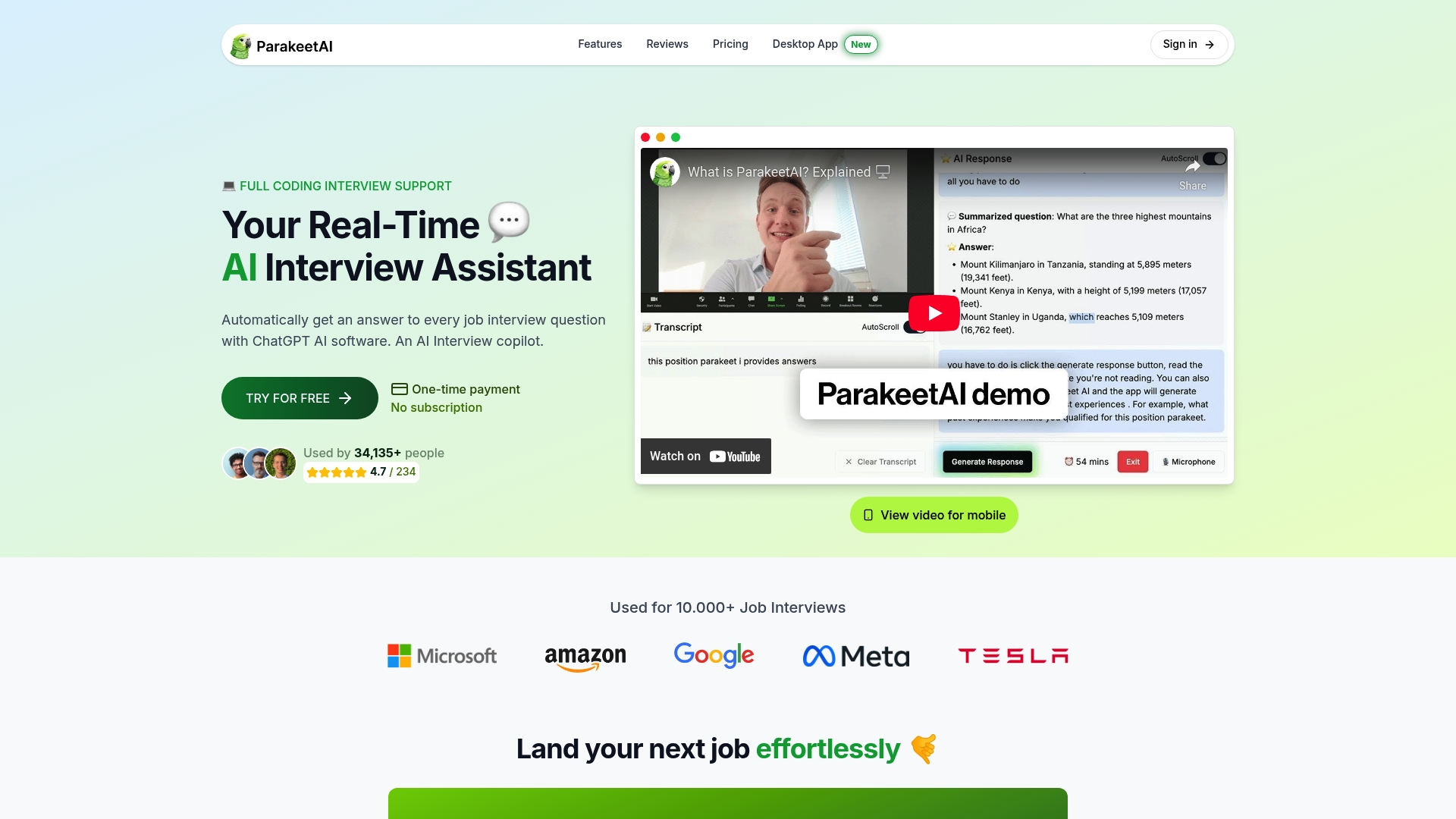
Take control of your next interview and engage with every question from a position of strength. Visit Parakeet AI now to experience how smart AI guidance can empower you to make a memorable impression and secure the role you truly deserve.
Frequently Asked Questions
What questions should I ask to understand my success in this role?
To assess your potential for success, ask, “What would someone in this role need to accomplish in the first 90 days to be considered highly successful?” This question helps clarify specific performance metrics and aligns your efforts with organizational goals.
How can I learn about the team culture during the interview?
Inquire by asking, “How would you describe the team culture?” This will give you insight into the workplace dynamics and whether it aligns with your working style.
What challenges might I face in this department?
You can ask, “What challenges are facing this department?” This question reveals obstacles and allows you to tailor your responses on how you can contribute to overcoming them.
How can I find out about growth opportunities in the company?
Ask, “What opportunities are there for growth and development?” This helps gauge how the company invests in its employees and whether there are clear professional development pathways.
What can I do to understand how my performance will be evaluated?
To clarify performance expectations, ask, “How do you measure employee performance?” This gives you insight into the criteria that will be used to assess your contributions and growth potential.
How should I address any concerns about my background in the interview?
You can ask, “Is there anything about my background that concerns you?” This approach allows you to directly address potential reservations and demonstrate your self-awareness while highlighting your adaptability.