
AI-Driven Mock Interviews Explained: Key Features and Benefits

Over 80 percent of job seekers report feeling anxious before an interview. Traditional practice helps, but technology is reshaping how candidates prepare for these critical moments. AI-driven mock interviews promise not just realistic practice but instant, personalized feedback on your answers, body language, and confidence. If you want to sharpen your skills and stand out in today’s competitive job market, understanding how these tools work could make all the difference.
Table of Contents
- AI-Driven Mock Interviews Defined And Debunked
- Variations Of AI Interview Assistant Technology
- How Real-Time AI Job Interview Assistants Work
- Benefits And Real-World Uses Of AI Mock Interviews
- Risks, Privacy Concerns, And How To Mitigate Them
Key Takeaways
| Point | Details |
|---|---|
| AI-Driven Enhancements | AI mock interviews utilize advanced technologies such as natural language processing and deep learning for personalized, adaptive training experiences. |
| Structured Feedback Mechanism | These platforms provide instant, data-driven feedback, enabling candidates to improve their communication skills and confidence in a controlled environment. |
| Diverse Applications | AI mock interviews cater to various professional levels and industries, allowing customized preparation for specific roles and contexts. |
| Privacy and Ethical Considerations | Users should be aware of potential biases and privacy concerns, necessitating responsible engagement and understanding of mitigation strategies. |
AI-Driven Mock Interviews Defined and Debunked
Mock interviews represent a powerful training technique designed to simulate real-world professional interview experiences. According to irjaeh.com, these structured interactions are critical preparatory tools that help candidates enhance communication skills, build confidence, and receive constructive feedback before facing actual job interviews.
Unlike traditional interview preparation methods, AI-driven mock interviews leverage advanced technology to create highly realistic, personalized simulation experiences. Wikipedia defines mock interviews as precise emulations of job interview scenarios, engineered specifically for training purposes. These AI-powered systems go beyond simple role-playing by incorporating intelligent analysis, adaptive questioning, and real-time performance assessment.
The core mechanics of AI-driven mock interviews involve several sophisticated components:
- Intelligent Questioning: Advanced natural language processing algorithms generate contextually relevant interview questions
- Performance Tracking: Comprehensive evaluation of verbal communication, body language, and response quality
- Personalized Feedback: Instant, detailed insights into strengths and areas for improvement
- Adaptive Learning: Interview scenarios that dynamically adjust based on individual performance
Professional candidates can leverage these AI tools to gain a significant competitive edge. By providing a safe, controlled environment for practice, these mock interview platforms help individuals refine their interview techniques, reduce anxiety, and develop confident communication strategies. For those serious about career advancement, understanding and utilizing AI mock interview techniques can be a game-changing professional development approach.
Variations of AI Interview Assistant Technology
AI interview assistant technology has evolved rapidly, offering diverse approaches to simulating professional interview experiences. According to ijmrset.com, these systems integrate sophisticated technologies like natural language processing (NLP), computer vision, and deep learning to create interactive, self-improving interview simulation platforms.
The technological landscape of AI interview assistants can be categorized into several distinct variations. ijnrd.org highlights the remarkable scalability of these systems, demonstrating their ability to adapt across multiple professional contexts - from entry-level graduates to executive-level candidates. These variations typically include:
- Industry-Specific Simulators: Tailored interview experiences for sectors like tech, healthcare, finance, and engineering
- Professional Level Adapters: Different complexity levels matching career stages
- Skill-Focused Modules: Specialized training for communication, technical, behavioral, and leadership interviews
- Cultural Context Adjusters: Interview simulations that account for regional and organizational cultural nuances
Professionals seeking to enhance their interview preparedness can leverage these diverse AI assistants in interviews to gain targeted, personalized practice. By understanding the technological nuances and selecting the most appropriate variation, candidates can dramatically improve their interview performance and confidence across different professional scenarios.
How Real-Time AI Job Interview Assistants Work
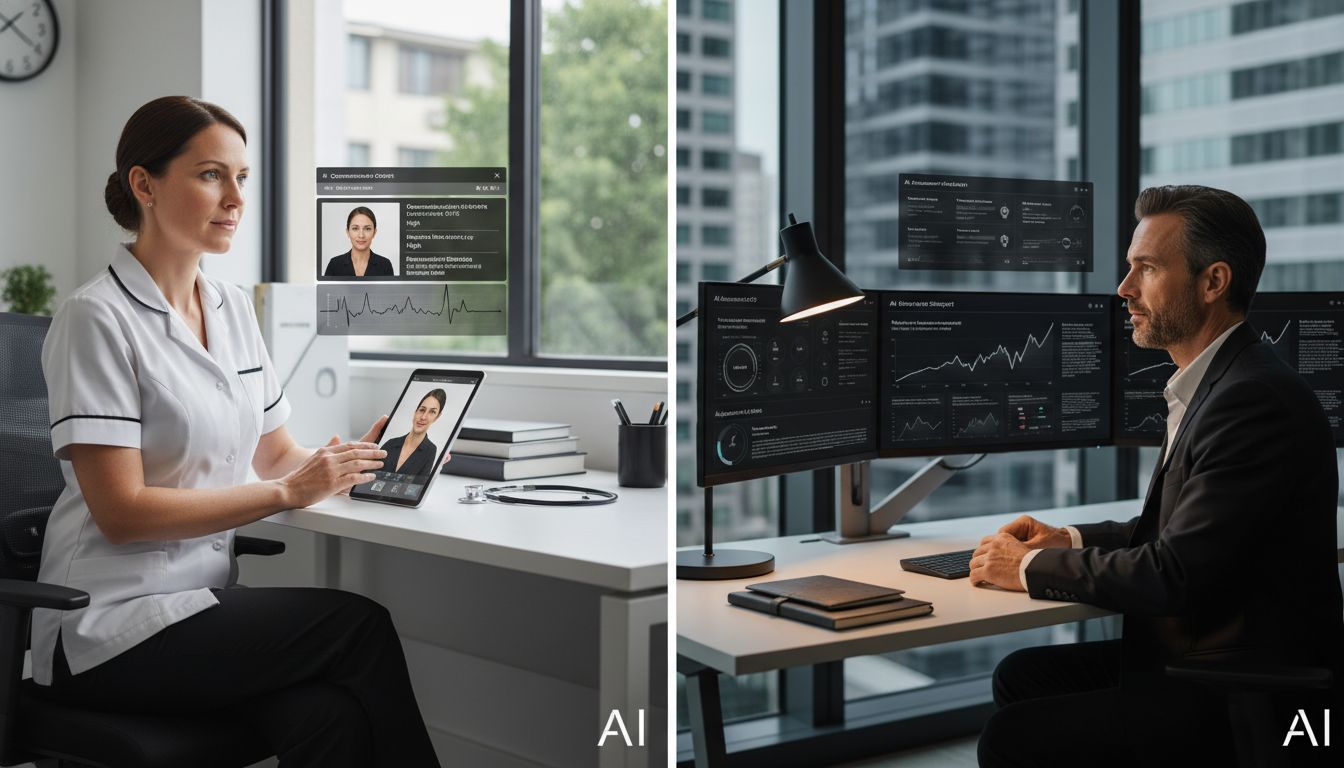
Real-time AI job interview assistants operate through sophisticated technological mechanisms that transform traditional interview preparation. According to ijset.in, these platforms utilize advanced deep learning convolutional neural networks to comprehensively assess candidates across three critical dimensions: emotions, confidence, and knowledge.
The core functionality of these AI assistants involves multiple intricate processes. Advanced algorithms analyze verbal and non-verbal communication signals, including facial expressions, speech patterns, and linguistic nuances. Speech recognition technologies enable real-time understanding of candidate responses, while natural language processing helps evaluate articulation, context comprehension, and communication effectiveness.
Key technological components of real-time AI interview assistants include:
- Machine Learning Models: Adaptive algorithms that improve interview simulation accuracy
- Natural Language Processing: Advanced linguistic analysis of candidate responses
- Emotional Intelligence Algorithms: Detection of subtle communication cues and confidence levels
- Real-Time Feedback Mechanisms: Instant performance insights and improvement suggestions
Research from arxiv.org highlights that participants using these AI interview assistants experienced notable improvements in interview confidence and problem-solving articulation. By providing a dynamic, interactive training environment, these tools are revolutionizing how professionals prepare for critical career opportunities.
Benefits and Real-World Uses of AI Mock Interviews
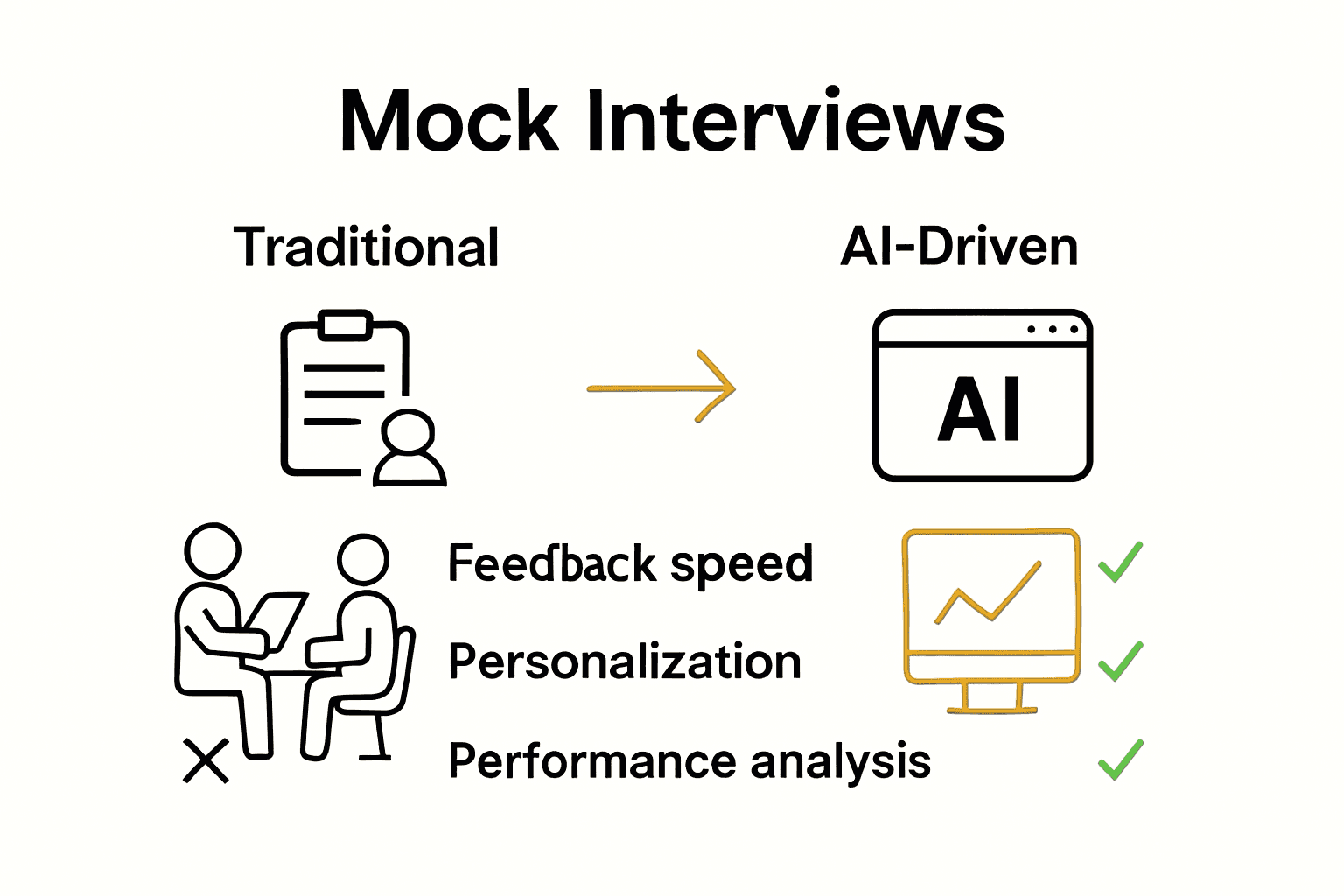
AI mock interviews represent a transformative approach to professional preparation, offering unprecedented insights and training opportunities for job seekers across multiple industries. According to blog.myls.ai, these advanced platforms provide instant, data-driven feedback by analyzing critical communication elements like tone, pacing, word choice, and clarity.
The real-world applications of AI mock interviews span diverse professional contexts, from entry-level candidates to seasoned executives seeking career advancement. These sophisticated tools enable users to practice and refine interview skills in a controlled, judgment-free environment, helping individuals overcome performance anxiety and develop confident communication strategies.
Key benefits of AI-driven mock interviews include:
- Objective Performance Analysis: Unbiased, data-driven evaluation of interview skills
- Personalized Learning Paths: Customized feedback and improvement recommendations
- Accessibility: 24/7 practice opportunities from any location
- Skill Versatility: Preparation for multiple interview formats and professional scenarios
- Confidence Building: Repeated exposure and systematic skill development
Professionals can leverage these benefits of real-time AI interviews to gain a competitive edge in today’s dynamic job market. By providing a safe, interactive learning environment, AI mock interviews are revolutionizing traditional interview preparation methods and empowering candidates to present their best selves during critical career opportunities.
Risks, Privacy Concerns, and How to Mitigate Them
AI mock interview technologies introduce complex privacy and ethical challenges that demand careful consideration. According to arxiv.org, these platforms risk bias amplification through training data that might inadvertently discriminate based on protected attributes like gender, ethnicity, and age, potentially creating unfair evaluation mechanisms.
The privacy landscape for AI-driven interview assistants is intricate and multifaceted. arxiv.org emphasizes the critical need for comprehensive, stakeholder-driven privacy frameworks that can accommodate diverse user requirements while protecting individual digital identities. This becomes increasingly important as AI technologies become more integrated into professional development ecosystems.
Key risk mitigation strategies include:
- Transparent Data Handling: Clear communication about data collection and usage policies
- Algorithmic Fairness Audits: Regular assessments to identify and eliminate potential bias
- User Consent Mechanisms: Granular controls over personal information sharing
- Anonymization Techniques: Protecting individual identities during analysis
- Ongoing Ethical Review: Continuous monitoring of AI decision-making processes
Professionals can protect themselves by carefully reviewing privacy considerations in AI interviews and understanding the potential risks and safeguards inherent in these technological platforms. Responsible engagement and informed decision-making remain crucial in navigating the evolving landscape of AI-driven professional tools.
Unlock Your True Interview Potential with Real-Time AI Support
The article highlights a common challenge faced by job seekers today: the anxiety and uncertainty that come with preparing for interviews. Pain points like lacking personalized, actionable feedback and the need for adaptive learning tools are critical obstacles to overcome. With terms such as “intelligent questioning,” “performance tracking,” and “real-time feedback mechanisms,” the article underlines the importance of practice that truly adapts to your unique performance. Imagine refining your communication skills and building confidence in a fully interactive, AI-driven environment that listens, analyzes, and guides you.
Discover how Parakeet AI transforms AI-driven mock interviews into a seamless experience tailored just for you. Our real-time job interview assistant not only listens to your answers but provides instant, intelligent suggestions to enhance your responses. This means no more guessing what to improve or feeling unprepared in critical moments. Start practicing anytime, anywhere with a system designed to boost confidence and sharpen your skills based on your individual needs.
Take control of your interview journey today with Parakeet AI and see why embracing real-time AI interview assistants is the difference between simply preparing and excelling. Ready to transform stress into strength?
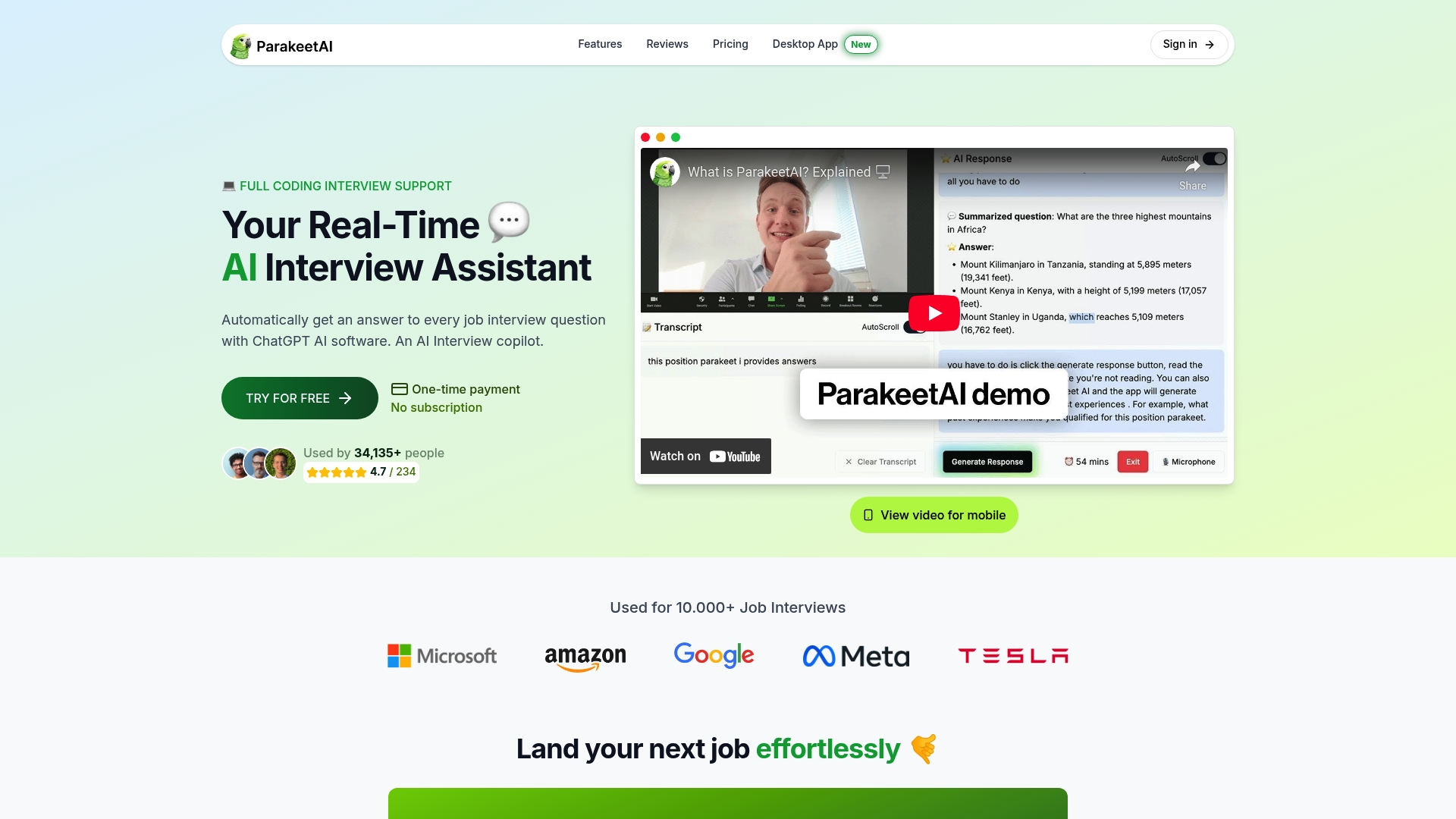
Experience the future of interview preparation firsthand. Visit Parakeet AI and start your personalized AI mock interview now.
Frequently Asked Questions
What are AI-driven mock interviews?
AI-driven mock interviews are advanced training tools that simulate real-world interview experiences using artificial intelligence. They provide personalized, realistic scenarios and instant feedback to help candidates improve their interview skills.
How do AI-driven mock interviews work?
These platforms utilize natural language processing and machine learning algorithms to generate tailored interview questions, assess performance in real-time, and offer constructive feedback based on communication skills, body language, and response quality.
What are the benefits of using AI mock interviews?
AI mock interviews offer numerous benefits, including objective performance analysis, personalized learning paths, 24/7 accessibility, and opportunities to practice various interview formats, which can help build confidence and reduce anxiety.
Are there any privacy concerns with AI mock interviews?
Yes, AI mock interview technologies can raise privacy and ethical concerns, including potential bias in data and algorithms. It’s essential to review data handling practices and ensure that platforms implement transparent policies and conduct regular audits to mitigate these risks.