
What Is AI in Interviewer Training? Complete Guide

Did you know over 67 percent of companies now use some form of AI in their hiring process? This dramatic shift is reshaping how interviewers prepare and perform, pushing organizations to seek smarter, more consistent training solutions. With new technologies analyzing every word and gesture, interviewers can gain sharper insights into their own habits. AI tools are not just changing what interviewers learn but also how fast they improve every time they sit down with a candidate.
Key Takeaways
| Point | Details |
|---|---|
| AI Transformation | AI is revolutionizing interviewer training by providing data-driven insights and personalized learning experiences. |
| Technological Integration | Organizations should leverage various AI tools such as simulation platforms, conversational AI, and performance analytics to enhance recruitment effectiveness. |
| Continuous Improvement | Real-time AI assistants enable ongoing learning and feedback, enhancing communication and reducing bias during interviews. |
| Ethical Considerations | Balancing technological advancement with ethical practices in data privacy, bias mitigation, and regulatory compliance is crucial for successful AI implementation. |
Table of Contents
- Defining Ai In Interviewer Training Today
- Types Of Ai Tools For Interviewer Training
- How Real-Time Ai Interview Assistants Operate
- Key Benefits And Potential Limitations
- Risks, Privacy, And Ethical Considerations
Defining AI in Interviewer Training Today
Artificial Intelligence (AI) is revolutionizing how organizations approach interviewer training, transforming traditional methods into intelligent, data-driven experiences. At its core, AI in interviewer training represents a sophisticated technological approach to enhancing recruitment processes through advanced computational techniques.
AI interviewer training systems leverage multiple technologies to create intelligent learning environments. These systems typically include machine learning algorithms that analyze interview interactions, natural language processing capabilities to understand verbal and non-verbal communication patterns, and predictive analytics to provide real-time feedback. The goal is simple: help interviewers become more effective, consistent, and unbiased in their candidate assessment techniques.
Key components of modern AI interviewer training include:
- Intelligent Feedback Mechanisms: Real-time analysis of interview conversation flow
- Bias Detection: Identifying potential unconscious prejudices in questioning techniques
- Performance Scoring: Objective evaluation of interviewer communication skills
- Adaptive Learning Modules: Personalized training recommendations based on individual performance
By integrating AI technologies, organizations can transform interviewer training from a static, one-size-fits-all approach to a dynamic, personalized learning experience. Read more about AI interview techniques to understand how these advanced systems are reshaping recruitment strategies worldwide. The future of interviewer training isn’t just about technology—it’s about creating more human, empathetic, and effective hiring processes.
Types of AI Tools for Interviewer Training
AI interviewer training tools represent a diverse ecosystem of technological solutions designed to enhance recruitment processes. These sophisticated platforms leverage cutting-edge artificial intelligence to transform how organizations approach candidate assessment and interviewer skill development.
Simulation and Practice Tools
Virtual interview simulation platforms are among the most advanced AI training solutions. These tools create hyper-realistic interview scenarios where interviewers can practice their skills in a controlled, feedback-rich environment. Key features typically include:
- AI-generated candidate personas
- Real-time communication analysis
- Adaptive scenario complexity
- Performance tracking and scoring
Conversational AI and Natural Language Processing Tools
Conversational AI tools focus on understanding communication nuances, helping interviewers improve their questioning techniques. These platforms analyze verbal and non-verbal communication patterns, providing insights into:
- Interview question effectiveness
- Communication clarity
- Potential unconscious bias detection
- Tone and engagement metrics
Performance Analytics and Feedback Systems
Advanced AI tools go beyond simulation, offering deep performance analytics. Explore AI-powered job interview tools that provide granular insights into interviewer performance. These systems use machine learning algorithms to:
- Generate comprehensive skill development reports
- Recommend personalized training modules
- Track long-term interviewer skill progression
- Identify areas for targeted improvement
By integrating these diverse AI tools, organizations can create a dynamic, intelligent approach to interviewer training that continuously adapts and improves recruitment strategies.
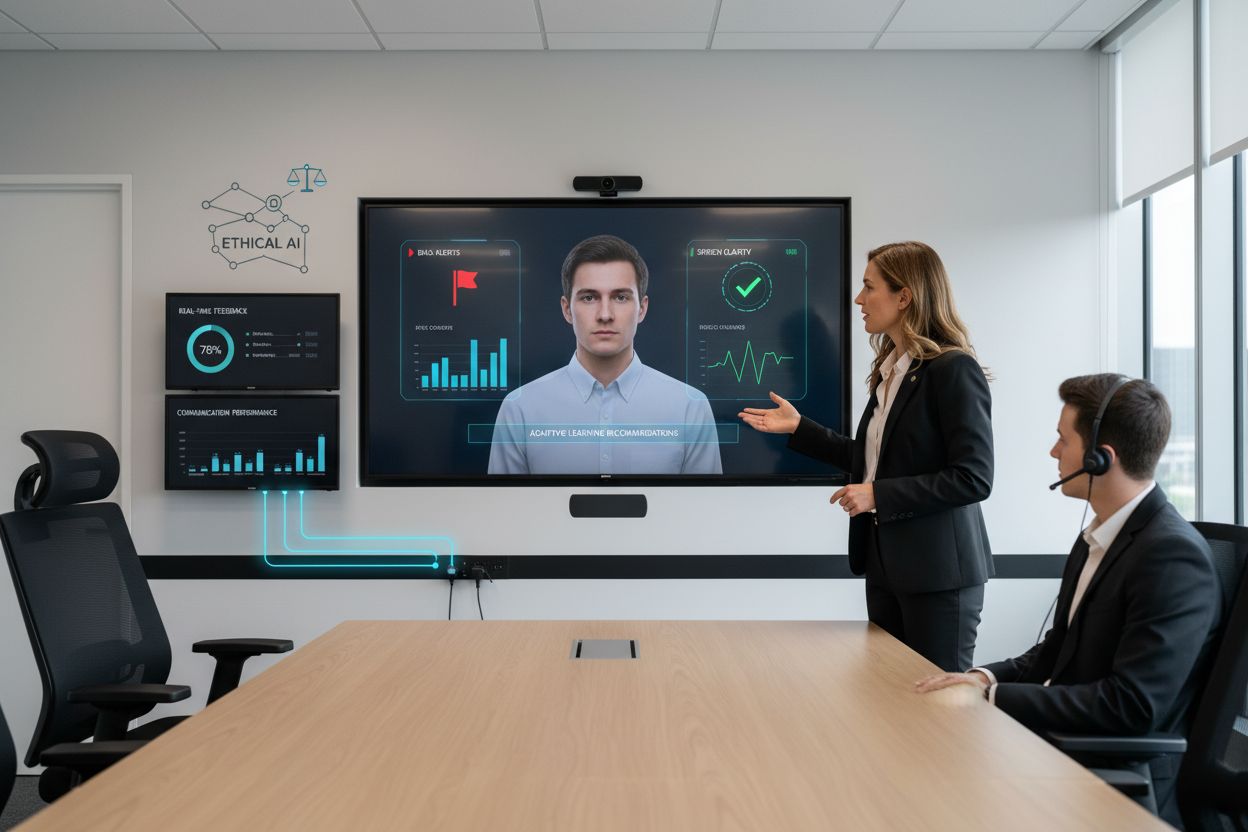
Here’s a comparison of the main types of AI tools for interviewer training:

| Tool Type | Key Features | Primary Benefits |
|---|---|---|
| Simulation & Practice | Virtual candidates Scenario adaptation Performance tracking |
Realistic practice Safe learning space |
| Conversational AI | Communication analysis Bias detection Tone metrics |
Improved question skills Bias reduction |
| Performance Analytics | Skill reports Personalized modules Progress tracking |
Data-driven feedback Skill growth over time |
How Real-Time AI Interview Assistants Operate
Real-time AI interview assistants represent a groundbreaking technological approach that transforms traditional interview processes. These intelligent systems leverage advanced machine learning and natural language processing to provide instant, contextual support during interview interactions.
Core Operational Mechanics
Speech recognition technology forms the foundation of these AI assistants. The system continuously analyzes conversation in real-time, breaking down spoken words into interpretable data points. By processing linguistic patterns, tone, and communication nuances, these assistants can:
- Understand context and subtext of interview questions
- Provide immediate suggested responses
- Detect potential communication gaps
- Offer real-time coaching to interviewers
Intelligent Interaction Processing
The AI assistant operates through a complex multi-step process:
- Audio Capture: Record and digitize interview conversation
- Language Parsing: Break down spoken content into analyzable components
- Contextual Understanding: Match dialogue against extensive knowledge databases
- Response Generation: Craft intelligent, contextually appropriate suggestions
Performance and Learning Mechanisms
These systems are not static but continuously evolve. Explore the role of AI assistants in interviews to understand their adaptive learning capabilities. Machine learning algorithms enable the AI to:
- Learn from each interaction
- Improve response accuracy over time
- Develop more nuanced understanding of communication dynamics
- Refine recommendations based on user feedback
By combining advanced technologies, real-time AI interview assistants create an intelligent, responsive environment that supports more effective, unbiased, and insightful interview experiences.
Key Benefits and Potential Limitations
AI interviewer training technologies offer a transformative approach to recruitment processes, bringing both significant advantages and notable challenges. Understanding these nuanced impacts helps organizations make informed decisions about implementing AI-driven interview tools.
Strategic Benefits
Organizational performance receives multiple advantages from AI interview assistants. These intelligent systems create unprecedented opportunities for standardizing and improving interview quality:
- Elimination of human bias in candidate assessment
- Consistent evaluation metrics across interview panels
- Real-time performance feedback and skill development
- Comprehensive data-driven insights into interviewer effectiveness
Potential Implementation Challenges
While revolutionary, AI interview tools are not without limitations. Organizations must carefully navigate potential drawbacks:
- Risk of over-reliance on technological assessments
- Complex integration with existing HR technologies
- Potential privacy and data security concerns
- Initial high implementation and training costs
Balanced Technology Approach
Read more about AI interview tips to understand how to mitigate potential challenges. Successful AI interviewer training requires a nuanced strategy that:
- Combines technological capabilities with human judgment
- Maintains ethical standards in candidate evaluation
- Continuously updates and refines AI algorithms
- Provides transparent, explainable AI decision-making processes
Ultimately, AI interviewer training represents a powerful tool when implemented thoughtfully, balancing technological innovation with human-centric recruitment principles.
Risks, Privacy, and Ethical Considerations
Artificial Intelligence in interviewer training introduces complex ethical challenges that demand rigorous examination and proactive management. Organizations must navigate a delicate landscape balancing technological innovation with fundamental human rights and privacy protections.
Data Privacy and Consent Frameworks
Personal information protection represents a critical consideration in AI interviewer training systems. Key privacy safeguards include:
- Explicit user consent for data collection
- Anonymization of candidate and interviewer identities
- Secure encryption of conversational data
- Clear opt-out mechanisms for participants
- Transparent data retention and deletion policies
Algorithmic Bias Mitigation
AI systems can inadvertently perpetuate systemic biases if not carefully designed. Ethical AI implementation requires:
- Regular algorithmic audits
- Diverse training data sets
- Continuous bias detection mechanisms
- Accountability frameworks for AI decision-making
- Interdisciplinary review processes
Regulatory Compliance and Governance
Explore AI interview analysis principles to understand comprehensive ethical guidelines. Organizations must develop robust governance strategies that:
- Align with emerging data protection regulations
- Establish clear ethical usage guidelines
- Create human oversight mechanisms
- Prioritize candidate and interviewer dignity
- Maintain transparency in AI-assisted processes
Responsible AI implementation transcends technological capability, requiring a holistic approach that centers human values, individual rights, and organizational integrity.
Upgrade Your Interviewer Training With Real-Time AI
Traditional interviewer training methods face major challenges. Many organizations struggle to reduce bias, provide consistent feedback, and deliver personalized skill development. If you are concerned about ensuring objective evaluations and improving communication skills, you are not alone. The article highlighted the importance of intelligent feedback, real-time analysis, and adaptive learning in creating truly effective training. These are exactly the areas where AI can make a difference—helping interviewers feel more confident and prepared while ensuring a fairer hiring process.
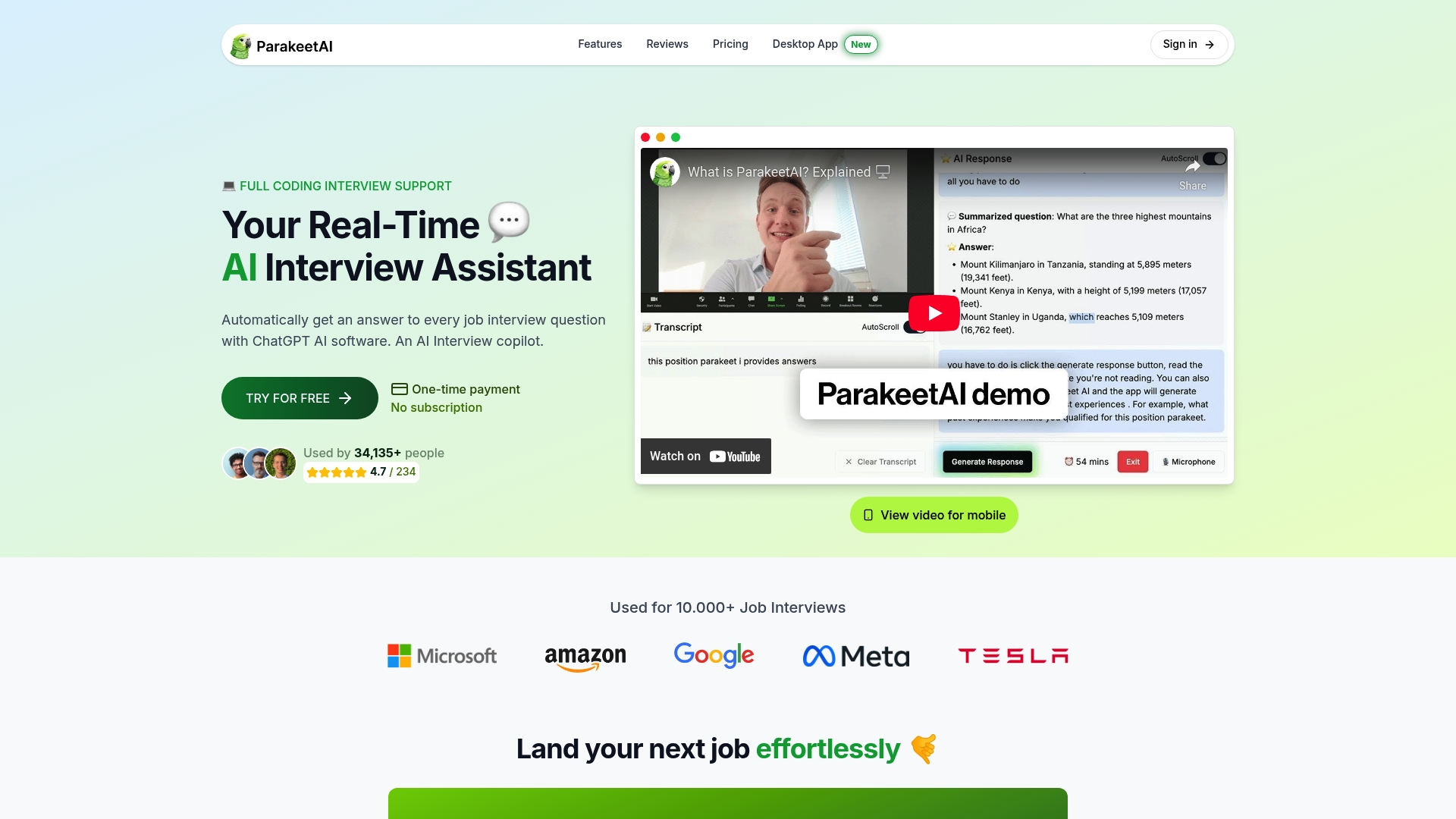
Ready to experience the future of AI-powered interviewer training for yourself? See how the real-time AI job interview assistant from Parakeet AI listens to your interviews and delivers instant answers and suggestions. Discover the benefits of real-time AI assistants for your recruitment team now. Don’t wait to create more accurate, engaging, and unbiased interviews. Visit Parakeet AI and move your hiring process ahead today.
Frequently Asked Questions
What is AI in interviewer training?
AI in interviewer training refers to sophisticated technologies that enhance recruitment processes through machine learning, natural language processing, and predictive analytics to improve interviewer skills and reduce bias.
How do AI tools improve interviewer training?
AI tools improve interviewer training by providing real-time feedback, identifying potential biases in questioning, evaluating communication skills objectively, and offering personalized training recommendations based on performance.
What types of AI tools are available for interviewer training?
AI tools for interviewer training include simulation and practice tools, conversational AI platforms for communication analysis, and performance analytics systems for deep insights into interviewer effectiveness.
What are the ethical considerations of using AI in interviewer training?
Ethical considerations include data privacy and consent, algorithmic bias mitigation, and the need for regulatory compliance, ensuring that AI systems do not perpetuate biases and respect individual rights.