
Master the Pre-Interview Planning Process for Success

Nervous about stepping into your next tech interview? Facing unfamiliar questions or uncertain company expectations can leave even the most skilled candidates feeling unsure. Effective pre-interview preparation, like thorough research and smart self-organization, empowers you to present your strengths confidently. By focusing on job requirements, crafting comprehensive personal data, and understanding interview formats, you can stand out in a crowded global job market. This guide offers strategic pre-interview preparation steps designed to help you impress from the very first conversation.
Table of Contents
- Step 1: Assess Job Requirements And Company Needs
- Step 2: Gather And Organize Key Personal Data
- Step 3: Research Interview Questions And Formats
- Step 4: Practice With Real-Time AI Interview Tools
- Step 5: Review And Verify Your Interview Readiness
Quick Summary
| Key Insights | Explanation |
|---|---|
| 1. Align Skills with Job | Thoroughly analyze the job description to match your skills with employer requirements, identifying key competencies needed. |
| 2. Organize Personal Data | Create a master document with your work history, achievements, and skills to present a cohesive professional narrative. |
| 3. Understand Interview Formats | Research the interview style used by the company to prepare effectively for the specific structure and questions you may face. |
| 4. Utilize AI Interview Tools | Engage with AI-guided platforms to practice and receive feedback on your responses, improving confidence and communication skills. |
| 5. Perform Readiness Assessment | Conduct a final review, check logistics, and gather all necessary documents to ensure you feel fully prepared for the interview. |
Step 1: Assess job requirements and company needs
Mastering the pre-interview preparation process starts with thorough research and strategic understanding of the job and organization. Comprehensive job requirement analysis enables you to align your skills precisely with what employers are seeking.
To begin, carefully review the job description line by line. Break down each requirement into specific skills, qualifications, and competencies. Look beyond surface level descriptions and understand the underlying capabilities the company needs. Pay attention to keywords indicating technical skills, soft skills, and specific experience levels. Cross reference these requirements with the company’s mission statement, recent press releases, and professional networking profiles to gain deeper insights into their strategic objectives.
Research reveals that strategic workforce planning involves evaluating not just current needs but future organizational capabilities. This means considering how your skills can contribute to the company’s long term goals. Look for opportunities where your unique background can solve potential skill gaps or bring innovative perspectives.
Pro tip: Create a side by side comparison document matching your professional experiences directly against the job requirements to identify your strongest selling points and potential areas for additional preparation.
Step 2: Gather and organize key personal data
Preparing for an interview means creating a comprehensive snapshot of your professional capabilities. Effective interview preparation involves systematically collecting and organizing your personal and professional information to present a cohesive narrative.
Start by creating a master document that consolidates all your relevant professional details. Include a chronological work history with specific achievements, educational credentials, technical skills, certifications, and key project outcomes. Organize these details not just as a list but as strategic evidence of your professional capabilities. For each role or experience, highlight quantifiable results demonstrating your impact such as percentage improvements, cost savings, or successful project completions.
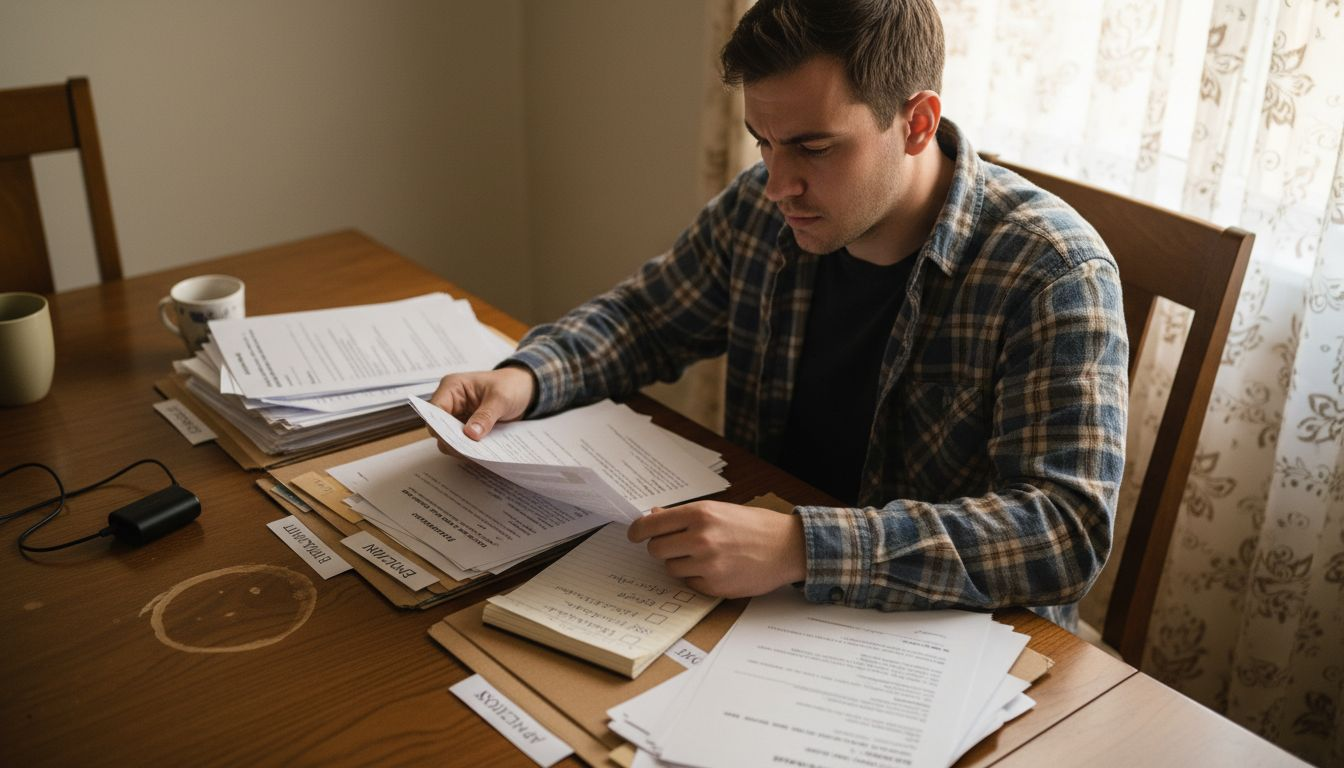
Digital organization is crucial. Create digital folders containing copies of your resume, professional certifications, performance reviews, and recommendation letters. Ensure these documents are easily accessible and formatted professionally. Consider creating a professional portfolio or digital resume that can be quickly shared or referenced during interview discussions.
Here is a summary of essential digital organization tools to streamline your interview preparation:
| Tool Type | Key Benefit | Best Use Case |
|---|---|---|
| Cloud Storage | Centralized document access | Storing resumes, certificates |
| Digital Portfolio Builder | Showcases work samples visually | Presenting projects and skills |
| Naming Convention System | Quick, accurate file retrieval | Keeping track of updates |
Pro tip: Use a standardized naming convention for your professional documents that includes date and type such as “JohnSmith_Resume_2023” to maintain easy retrieval and professional presentation.
Step 3: Research interview questions and formats
Preparing for an interview requires understanding the potential question styles and formats you might encounter. Interview research methods reveal that interviews can range from highly structured to completely conversational, each requiring a unique preparation approach.
Start by investigating the specific interview format for your potential employer. Companies typically use structured, semi structured, or unstructured interview approaches. Structured interviews follow a predetermined set of questions applied equally to all candidates, while unstructured interviews are more like dynamic conversations that allow for spontaneous exploration of your background. Semi structured interviews blend these approaches, giving interviewers flexibility to dive deeper into your responses.
Here’s a comparative overview of common interview formats and what they emphasize:
| Interview Format | Structure Level | Focus Area | Candidate Preparation Tip |
|---|---|---|---|
| Structured | High | Consistency, fairness | Practice concise answers to typical questions |
| Semi-structured | Moderate | Insightful discussion | Prepare stories and examples for key topics |
| Unstructured | Low | Personality, adaptability | Be ready for flexible, open-ended conversation |
Leverage online resources like company review sites, professional networking platforms, and industry forums to gather insights about the typical interview question approaches. Research common questions in your industry, paying special attention to behavioral and technical questions specific to your role. Create a comprehensive preparation document that includes potential questions, your strategic responses, and specific examples that demonstrate your professional capabilities.
Pro tip: Practice your responses out loud using a voice recorder to identify and eliminate filler words, ensuring your answers sound confident and articulate.
Step 4: Practice with real-time AI interview tools
Taking your interview preparation to the next level requires strategic engagement with AI-guided virtual interview technologies. These innovative tools provide a simulated environment where you can refine your communication skills and build confidence before the actual interview.
Begin by selecting reputable AI interview practice platforms that offer realistic scenarios matching your industry and potential job role. Look for tools that provide comprehensive feedback on verbal communication, body language, answer structure, and content relevance. Pay special attention to platforms that analyze your responses using natural language processing techniques and offer detailed performance metrics. Practice multiple times with different scenarios to develop adaptability and reduce performance anxiety.
Through virtual mock interview simulations, you can systematically improve your interview skills. Record your practice sessions and critically review your performance, focusing on areas like response clarity, professional tone, and non verbal communication. Some advanced AI tools even provide real time suggestions for improving your answers, helping you develop more compelling and concise responses.
Pro tip: Always wear professional attire during AI interview practice sessions to simulate authentic interview conditions and maintain a professional mindset.
Step 5: Review and verify your interview readiness
The final stage of interview preparation requires a comprehensive systematic readiness assessment. This critical review ensures you are fully equipped to present your best professional self during the actual interview.
Begin by creating a detailed checklist that covers every aspect of your preparation. Verify that you have thoroughly researched the company, practiced potential interview questions, and prepared compelling stories that demonstrate your professional capabilities. Check your professional attire for appropriate fit and condition. Confirm logistical details such as interview location, transportation routes, expected arrival time, and contact information for your interviewer. Organize all necessary documents including multiple copies of your resume, reference list, portfolio materials, and identification.
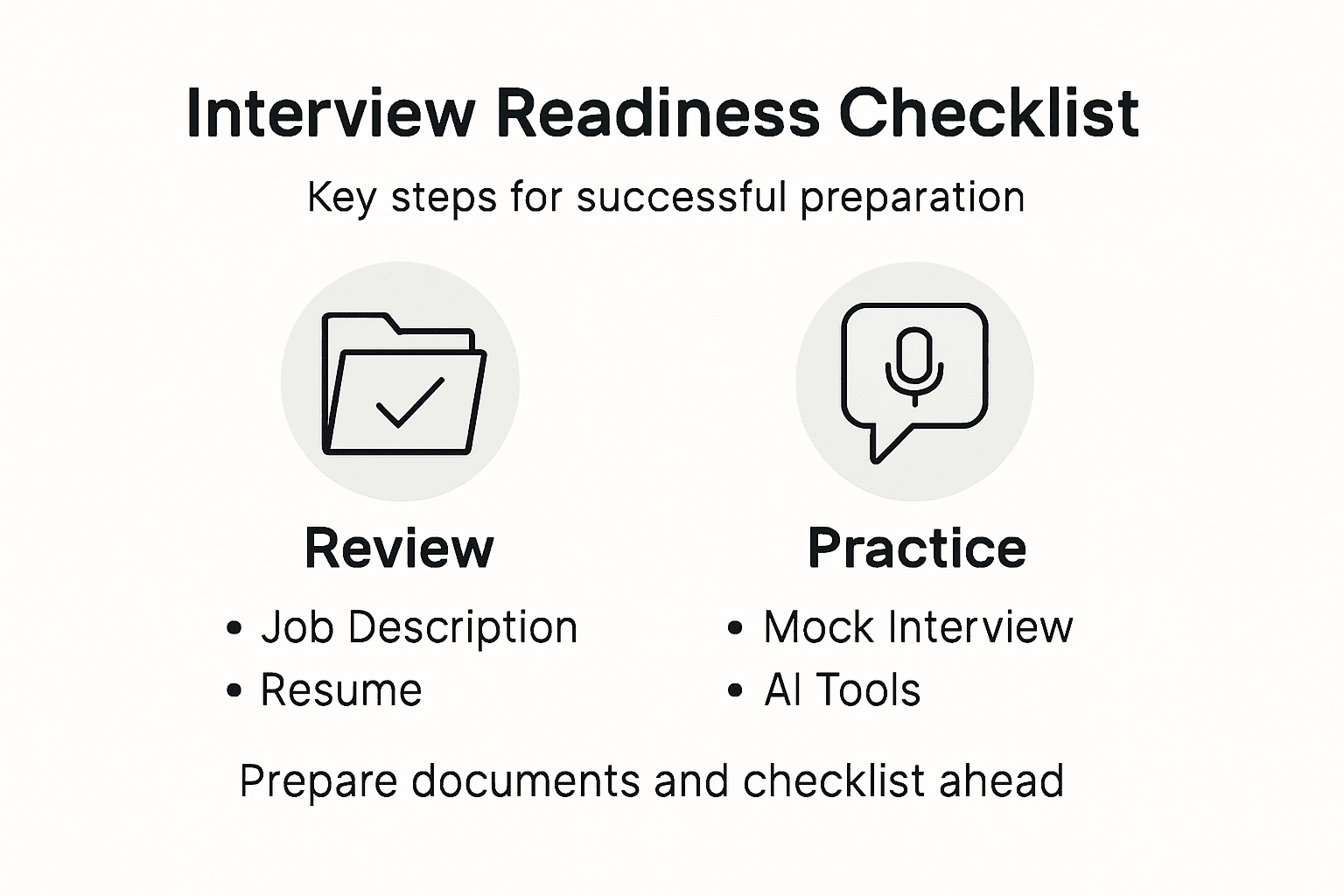
Conduct a final mock interview with a trusted friend or mentor to receive honest feedback about your presentation skills. Interview preparation strategies recommend performing a comprehensive self assessment of your verbal and non verbal communication. Record yourself answering potential questions to identify any areas needing improvement in tone, clarity, and professional demeanor.
Pro tip: Create a dedicated interview preparation folder with all essential documents and a final checklist to eliminate last minute stress and ensure you feel completely confident.
Elevate Your Interview Preparation with Real-Time AI Assistance
Mastering the pre-interview planning process means overcoming the challenge of confidently answering every question with clarity and professionalism. Whether you are organizing your key personal data or practicing responses for structured or unstructured interviews, the pressure to perform flawlessly can be overwhelming. The article highlights important concepts like strategic workforce planning, digital organization, and AI-guided virtual interview technologies that you can use to sharpen your skills.
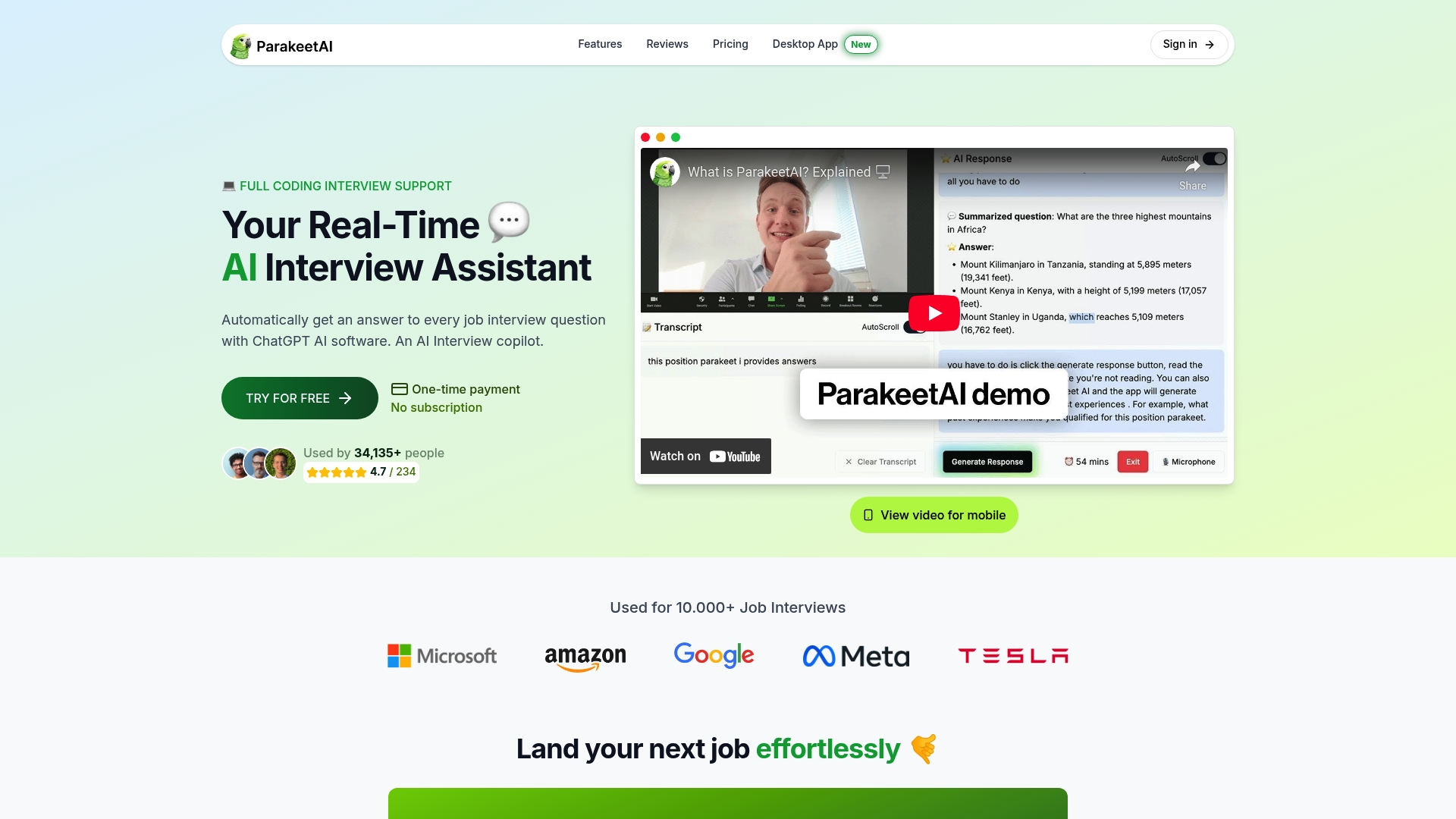
Take control of your interview success today with Parakeet AI, a real-time AI job interview assistant designed to listen and guide you by providing ideal answers to every question. This innovative tool lets you practice with confidence while receiving instant feedback on your communication and content. Don’t leave your future to chance. Step into your next interview fully prepared and empowered by technology that understands your unique journey. Start your transformative preparation now at Parakeet AI and experience firsthand how smart interview practice creates real results.
Frequently Asked Questions
What should I include in my job requirement analysis for interview preparation?
Start with a detailed breakdown of the job description, noting specific skills, qualifications, and experiences needed. Identify key requirements and align them with your personal capabilities to tailor your approach during the interview.
How can I effectively organize my personal data for the interview?
Create a master document that consolidates your work history, achievements, education, and certifications. Ensure this information is organized as a compelling narrative that highlights quantifiable results for easy reference during the interview.
What types of interview formats should I research for my upcoming interview?
Familiarize yourself with structured, semi-structured, and unstructured interview formats. Prepare accordingly by practicing concise answers for structured formats and developing stories for more conversational formats.
How can I practice interview questions effectively using AI tools?
Engage with AI interview practice platforms that simulate real interview scenarios and provide feedback on your responses. Aim to practice several times with different questions to increase your adaptability and reporting confidence before the actual interview.
What steps should I take to assess my readiness for the interview?
Conduct a thorough checklist of your preparation, including research on the company, practice with mock interviews, and final review of your attire and documents. Organize everything you may need, such as resumes and references, to ensure you feel completely prepared and confident before the interview.
Recommended
- Understanding the Interview Preparation Process for Success
- Understanding the Interview Preparation Guide for Success
- 7 Essential Job Interview Tips for Success in 2025
- interview preparation process - ParakeetAI
- 🎤 Gratis inspiratiespeech voor ondernemersclubs, netwerkbijeenkomsten en opleidingen - AlexandervanDijl.nl - Bel 020 262 1789
- Professionele Headshots in Hasselt en Limburg – Contacteer Tom Gaens | Tom Gaens Photography