
7 Questions to Avoid in Interviews for Tech Careers

Preparing for a tech job interview brings its share of stress and uncertainty. You want to make a great impression and stand out, but knowing what not to say can be just as important as having the right answers. Getting this wrong could leave employers with doubts or even ruin your chances before you talk about your skills.
This guide reveals the most common interview missteps that stop candidates in their tracks. You will learn how to avoid these interview pitfalls and keep the focus on your strengths. Discover practical strategies and real-world advice that will help you present yourself with confidence and professionalism at every stage of the process.
Table of Contents
- Avoid Asking About Salary Too Soon
- Don’t Question Company Stability Without Research
- Steer Clear of Negative Talk About Previous Employers
- Skip Personal Questions That Are Not Job Related
- Don’t Ask What the Company Does If It’s Public Knowledge
- Avoid Inquiring About Time Off and Benefits Right Away
- Don’t Ask About Dress Code Before Understanding Culture
Quick Overview
| Key Message | Explanation |
|---|---|
| 1. Delay Salary Discussions | Wait until proving your value before asking about salary to show genuine interest in the role. |
| 2. Research Company Stability | Conduct thorough research before questioning a company’s financial health to present professionalism and preparedness. |
| 3. Avoid Negative Talk About Past Employers | Discuss past experiences positively to highlight your emotional intelligence and adaptability instead of complaining. |
| 4. Skip Personal Questions Early | Redirect inappropriate personal questions to job-related topics to maintain your professionalism and focus on qualifications. |
| 5. Avoid Asking Basic Company Details | Demonstrate preparation by avoiding basic questions about the company that can be easily found online; ask strategic questions instead. |
1. Avoid Asking About Salary Too Soon
In the competitive landscape of tech careers, timing is everything - especially when discussing compensation. Prematurely inquiring about salary can signal to employers that your primary motivation is money rather than the role itself.
Most tech hiring managers prefer candidates who demonstrate genuine interest in the position and company before discussing financial details. When you bring up salary too quickly, you risk:
- Appearing primarily motivated by compensation
- Potentially pricing yourself out of consideration
- Creating an impression of being more focused on money than professional growth
- Undermining your perceived value to the potential employer
Pay transparency trends indicate employers are increasingly comfortable discussing compensation earlier. However, experts still recommend waiting until you have demonstrated your skills and value.
The ideal moment to discuss salary is after you have proven your potential and been identified as a strong candidate.
Instead of immediately asking about pay, focus on:
- Understanding the role’s responsibilities
- Exploring the company’s mission and culture
- Highlighting your unique skills and experience
- Building rapport with the interviewer
Pro tip: Wait for the employer to initiate salary discussions, typically during later interview stages or when a job offer is imminent.
2. Don’t Question Company Stability Without Research
Questioning a potential employer’s stability during an interview can be a critical misstep that immediately signals unprofessional behavior. Before raising any concerns about a company’s financial health or future prospects, smart tech job candidates understand the importance of thorough independent research and preparation.
Comprehensive company research helps candidates demonstrate genuine interest and professionalism. When you approach interviews with informed perspectives, you show respect for the organization and its potential.
Before making any comments about company stability, investigate:
- The company’s recent financial performance
- Market position and industry reputation
- Leadership team’s track record
- Recent news and press releases
- Growth trends and investment signals
Uninformed questions about stability can reveal more about your lack of preparation than any actual organizational weaknesses.
Tech companies value candidates who approach discussions strategically. Instead of questioning stability, focus on understanding the company’s mission, current projects, and future vision.
Potential red flags to research discreetly include:
- Consistent negative financial reporting
- High executive turnover
- Significant market share losses
- Repeated product failures
Pro tip: Conduct online research using financial reports, LinkedIn, industry publications, and professional networks before making any assumptions about company stability.
3. Steer Clear of Negative Talk About Previous Employers
In the competitive world of tech careers, how you discuss past work experiences can make or break your interview success. Negative talk about previous employers is a professional red flag that can instantly derail your chances of landing the job.
Professional interview etiquette demands that candidates approach discussions about past roles with maturity and strategic communication. Potential employers are not just evaluating your technical skills but also your emotional intelligence and ability to handle workplace challenges.
When discussing previous work experiences, avoid:
- Complaining about past managers
- Criticizing company policies
- Sharing personal conflicts
- Venting about workplace frustrations
- Revealing confidential information
Your ability to speak professionally about past experiences reveals more about your character than the actual experiences themselves.
Instead of dwelling on negative aspects, focus on:
- Professional growth and learning opportunities
- Skills you developed
- Challenges you successfully navigated
- Positive contributions you made
Reframe negative experiences as opportunities for personal and professional development. Employers want to hear about your resilience and problem solving skills.
Pro tip: Practice converting potentially negative work experiences into constructive narratives that highlight your adaptability and professional growth.
4. Skip Personal Questions That Are Not Job Related
Tech job interviews are professional exchanges designed to assess your skills and potential contributions. Not a platform for intrusive personal inquiries. Understanding appropriate interview boundaries is crucial for maintaining professional dignity and focus.
Interview conversation strategies reveal that candidates must tactfully navigate potentially inappropriate questions while preserving their professional image.
Personal questions that are inappropriate include:
- Inquiries about marital status
- Questions regarding family planning
- Age-related interrogations
- Religious or cultural background details
- Sexual orientation queries
- Questions about personal financial situation
- Domestic living arrangements
Professional interviews should center on your qualifications and potential job performance.
When confronted with inappropriate questions, you can:
- Politely redirect to job related skills
- Ask how the question relates to job requirements
- Provide a professional response that highlights your capabilities
- Remain calm and composed
Protect your professional boundaries by understanding legal interview guidelines and recognizing when questions cross ethical lines.
Pro tip: Practice diplomatic responses that reframe personal questions into opportunities to discuss your professional strengths and qualifications.
5. Don’t Ask What the Company Does If It’s Public Knowledge
In today’s digital age asking basic questions about a company that could be easily answered by a quick online search is a surefire way to demonstrate professional unpreparedness. Tech interviews demand more sophisticated engagement that shows genuine research and strategic thinking.
Strategic interview preparation requires candidates to go beyond surface level information and demonstrate deeper understanding.
Before your interview research publicly available information such as:
- Company website
- LinkedIn company profile
- Recent press releases
- Annual reports
- Industry news articles
- Company social media channels
Your questions should reveal insight and curiosity about the company’s future strategy - not basic facts anyone can find online.
Instead of asking generic questions about the company’s business, consider exploring:
- Specific recent company initiatives
- Current technological challenges
- Long term strategic goals
- Team dynamics and culture
- Innovation roadmaps
Sophisticated candidates demonstrate value by asking nuanced questions that show comprehensive understanding and genuine interest.
Pro tip: Spend at least 30 minutes researching the company before your interview and prepare thoughtful questions that go beyond basic information.
6. Avoid Inquiring About Time Off and Benefits Right Away
In tech interviews, timing is everything - especially when discussing workplace perks and benefits. Premature questions about time off can quickly derail your chances of making a positive impression, signaling misplaced priorities to potential employers.
Professional interview etiquette suggests candidates demonstrate strategic communication by focusing first on job responsibilities and professional value.
Questions that should be avoided early in the interview process include:
- Specific details about vacation days
- Health insurance coverage
- Retirement plan options
- Remote work flexibility
- Parental leave policies
- Sick day allowances
- Flexible scheduling
Your initial conversations should showcase your skills and potential contributions - not your desire for time away from work.
Instead of diving into benefits, focus on:
- Understanding job responsibilities
- Demonstrating your professional capabilities
- Showing genuine interest in the role
- Exploring potential impact and growth opportunities
Timing matters in professional conversations. The right moment to discuss benefits is typically after you have proven your value and the employer has shown serious interest.
Pro tip: Wait until you receive a job offer before requesting detailed information about compensation and benefits package.
7. Don’t Ask About Dress Code Before Understanding Culture
Dress codes reveal far more than clothing expectations. They are windows into a company’s professional identity and cultural nuances. Prematurely asking about attire can signal a lack of cultural intelligence and situational awareness.
Professional dress research strategies demonstrate that understanding workplace culture requires nuanced observation and strategic investigation.
Before inquiring about dress expectations, investigate:
- Company website imagery
- LinkedIn employee profiles
- Social media company posts
- Glassdoor workplace reviews
- Professional networking platforms
- Video interviews with leadership
A company’s dress code reflects its deeper cultural philosophies - not just fabric choices.
Instead of directly asking about dress code, observe:
- Leadership presentation styles
- Team meeting video backgrounds
- Conference presentation photographs
- Company event documentation
- Employee testimonial visuals
Tech culture varies dramatically across different organizations. What works in a startup might seem inappropriate in an enterprise environment.
Pro tip: Bring versatile professional attire that can be adjusted up or down in formality, and observe workplace norms during initial interactions.
Below is a comprehensive table summarizing the main considerations and recommendations discussed for improving tech job interview success insights throughout the article.
| Aspect | Recommendation | Benefit |
|---|---|---|
| Discussing Salary | Bring up compensation details after showcasing your value. | Avoid misconceptions and foster employer interest. |
| Company Stability | Research company financials and industry reputation before commenting. | Display professionalism and preparedness. |
| Former Employers | Frame previous roles positively, focusing on achievements and growth. | Highlight emotional intelligence and adaptability. |
| Personal Questions | Maintain professionalism by redirecting inappropriate topics. | Preserve interview focus and professional image. |
| Company Information | Research basic company facts independently before asking. | Demonstrate initiative and genuine interest. |
| Benefits & Time Off | Assess role suitability before inquiring about perks. | Influence focus toward professional credentials. |
| Dress Code | Investigate company culture through indirect cues and observations. | Match organizational values in presentation. |
Master Your Tech Interviews by Avoiding Costly Mistakes
Navigating tech interviews can be overwhelming when you worry about asking the wrong questions or giving the wrong impression. This article highlights challenges like premature salary talks, uninformed company questions, and mishandling sensitive topics. These common pitfalls can leave you feeling anxious and underprepared. Imagine having an assistant that guides you in real time, ensuring your answers stay focused, professional, and strategically aligned with interviewers’ expectations.
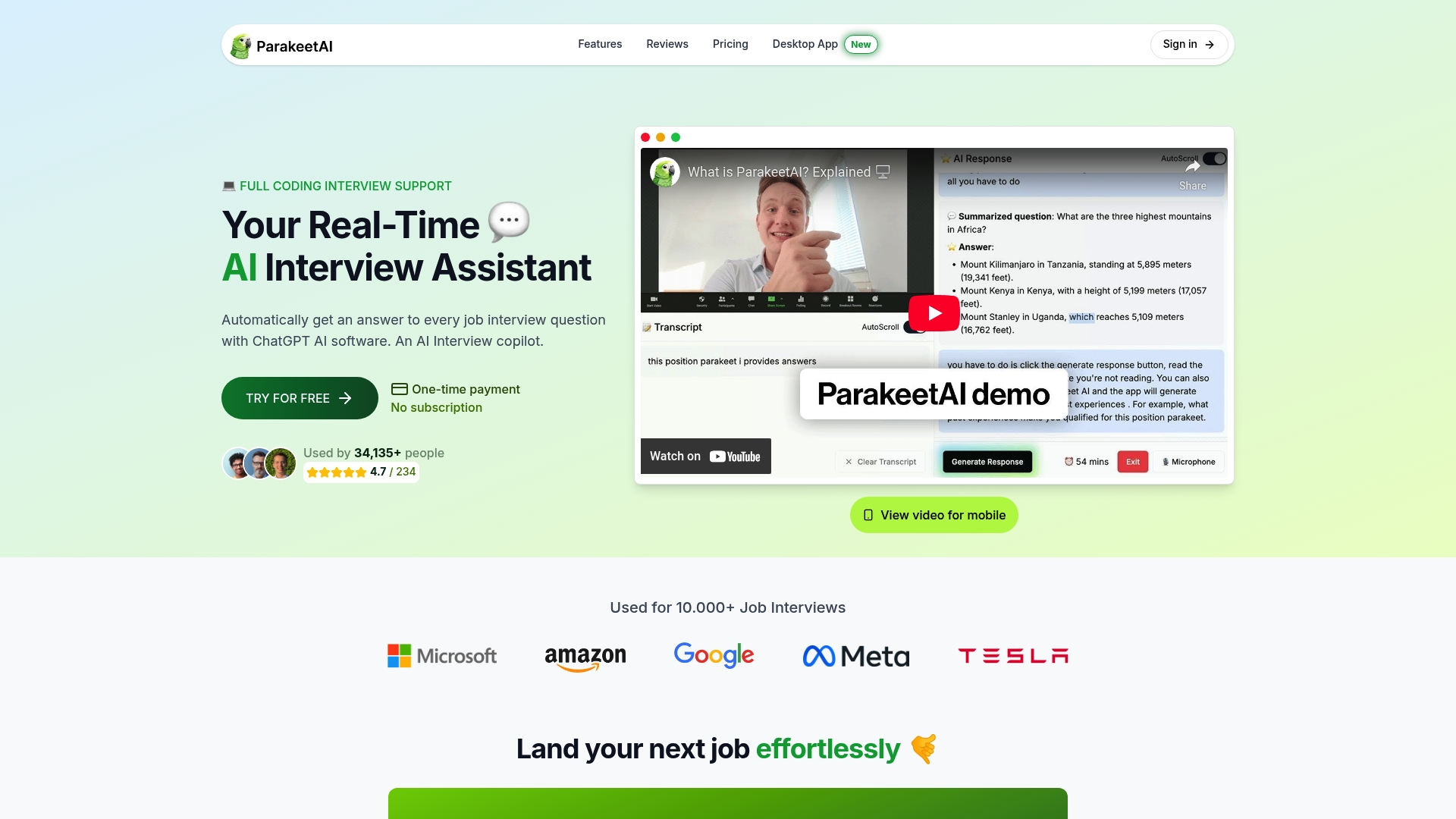
Boost your confidence with Parakeet AI, the real-time AI job interview assistant that listens and offers smart, on-the-spot responses tailored specifically for tech careers. Avoid embarrassing questions about salary or company basics and showcase your expertise with every answer. Start refining your interview skills today at Parakeet AI and transform every interview into an opportunity to impress. Don’t wait—unlock your true potential now.
Frequently Asked Questions
What should I avoid asking about salary during a tech interview?
Avoid discussing salary too early in the process, as it can signal that you’re mainly motivated by money. Focus first on demonstrating your skills and understanding the role, and wait for the employer to bring up compensation, typically later in the interview stages or when a job offer is on the table.
How can I ask about company stability without sounding unprofessional?
Instead of questioning company stability directly, conduct thorough research on the company’s financial performance, market position, and leadership team. Prepare informed comments or questions that reflect your understanding of the company’s potential, showing respect and professionalism.
What is a professional way to talk about previous work experiences?
Maintain a positive tone when discussing past employers by focusing on your professional growth and skills developed rather than any negative experiences. Frame challenges as opportunities for learning and resilience, which can highlight your adaptability and problem-solving abilities.
When should I bring up personal questions in a tech interview?
You should avoid asking personal questions that are not job-related during the interview, as it shifts the focus away from professional qualifications. Instead, politely redirect any inappropriate inquiries to discuss your qualifications and how they relate to the role.
How do I prepare meaningful questions about the company before my interview?
Research the company’s mission, recent initiatives, and industry news to prepare insightful questions. Aim to ask about the company’s long-term goals or current challenges, showcasing your understanding and genuine interest in the organization.
When is the appropriate time to inquire about benefits and time off?
Wait until you receive a job offer or have demonstrated substantial value in the interview process before discussing benefits and time off. This approach will ensure your initial conversations highlight your skills and potential contributions to the company.
Recommended
- how to avoid common interview pitfalls - ParakeetAI
- software engineering interview questions - ParakeetAI
- technical interview questions - ParakeetAI
- interview best practices - ParakeetAI
- Sexual Harassment Risk in Tech Startups: Key Lessons | Serendib Law Firm
- Understanding Effective Virtual Team Tips for Success – Optio Station: Best Project Management App for Prioritization