
Effective tips for teacher interviews in 2026
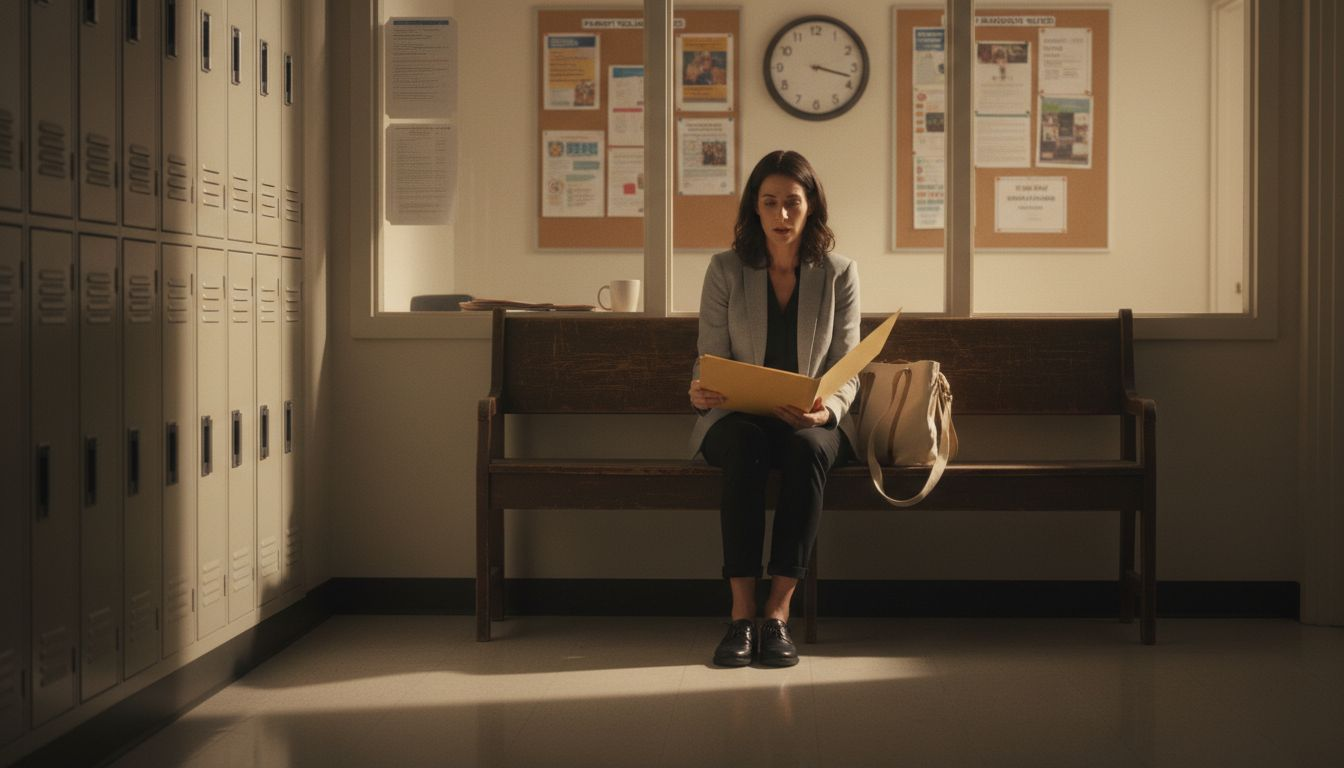
Many candidates think their teaching credentials alone will secure the position. However, 85% of recently hired teachers practiced answers to common questions before their interviews, and authenticity often matters more than academic achievements. This guide provides actionable tips for excelling in teacher interviews, from thorough preparation and professional presentation to answering questions with clarity and engaging collaboratively during school tours. You will learn how to connect effectively with interviewers and school communities through genuine, well-prepared interactions.
Table of Contents
- Why Thorough Preparation Is Your Foundation
- Dress And Present Yourself To Make A Confident First Impression
- Answering Interview Questions With Clarity And Authenticity
- Showcase Your Collaboration And Engagement During All Interview Stages
- Summary And Actionable Next Steps For Teacher Interview Success
- Enhance Your Interview Preparation With Parakeet AI
Key takeaways
| Point | Details | |-------|---------|| | Preparation builds confidence | Practice common questions, research the school thoroughly, and prepare lesson plans to demonstrate readiness. | | Professional attire matters | Dress modestly and formally, avoiding distracting accessories to make a strong first impression. | | Authenticity wins interviews | Use specific examples and thoughtful pauses when answering questions to show genuine understanding. | | Collaboration is valued | Engage respectfully during group activities and school tours to demonstrate teamwork skills. | | Social-emotional awareness counts | Highlight your ability to support students’ well-being and build positive classroom communities. |
Why thorough preparation is your foundation
Schools typically provide interview details and expectations well in advance, giving you time to prepare comprehensively for the teaching interview. This preparation window is your opportunity to research the school’s culture, values, and community demographics. Understanding what makes the school unique allows you to tailor your responses and demonstrate genuine interest.
Practicing answers to common questions dramatically increases your success rate. Teachers who practiced answers to common questions reported feeling significantly more confident during actual interviews. Create a document with typical teaching interview questions and write out thoughtful responses that include specific examples from your experience. Practice delivering these answers aloud until they feel natural, not memorized.
Lesson planning demonstrates your readiness to step into the classroom immediately. Prepare a complete lesson plan with clear objectives, engaging activities, and assessment strategies. Gather any resources or materials you might need, whether physical items or digital files. Having everything organized shows interviewers you are thorough and detail oriented.
Submit all requested documents in PDF format to preserve professional formatting across different devices and platforms. This includes your resume, teaching philosophy statement, letters of recommendation, and certifications. Review each document for consistency in fonts, margins, and style. Small details like proper file naming conventions (LastName_FirstName_Resume.pdf) demonstrate organizational skills.
Preparation also involves reflection on what you want from your work environment. Consider your teaching style, preferred grade levels, and the type of school culture where you thrive. This self awareness helps you ask informed questions and assess whether the position aligns with your professional goals. Visit the how to prepare for interviews section for comprehensive preparation strategies.
Pro Tip: Create a preparation checklist three weeks before your interview, breaking tasks into weekly goals. This prevents last minute scrambling and builds confidence gradually.
Essential preparation tasks:
- Research the school’s mission, recent achievements, and community demographics
- Practice answering 15 to 20 common teaching interview questions aloud
- Prepare a detailed lesson plan with all necessary materials and resources
- Organize all documents in PDF format with professional file names
- Develop thoughtful questions to ask interviewers about school culture and expectations
Dress and present yourself to make a confident first impression
Your appearance creates an immediate impression before you speak a single word. Candidates should dress more formally than daily teaching attire, showing respect for the interview process and the position. A suit or professional dress typically works well, though the specific style can vary by region and school type.
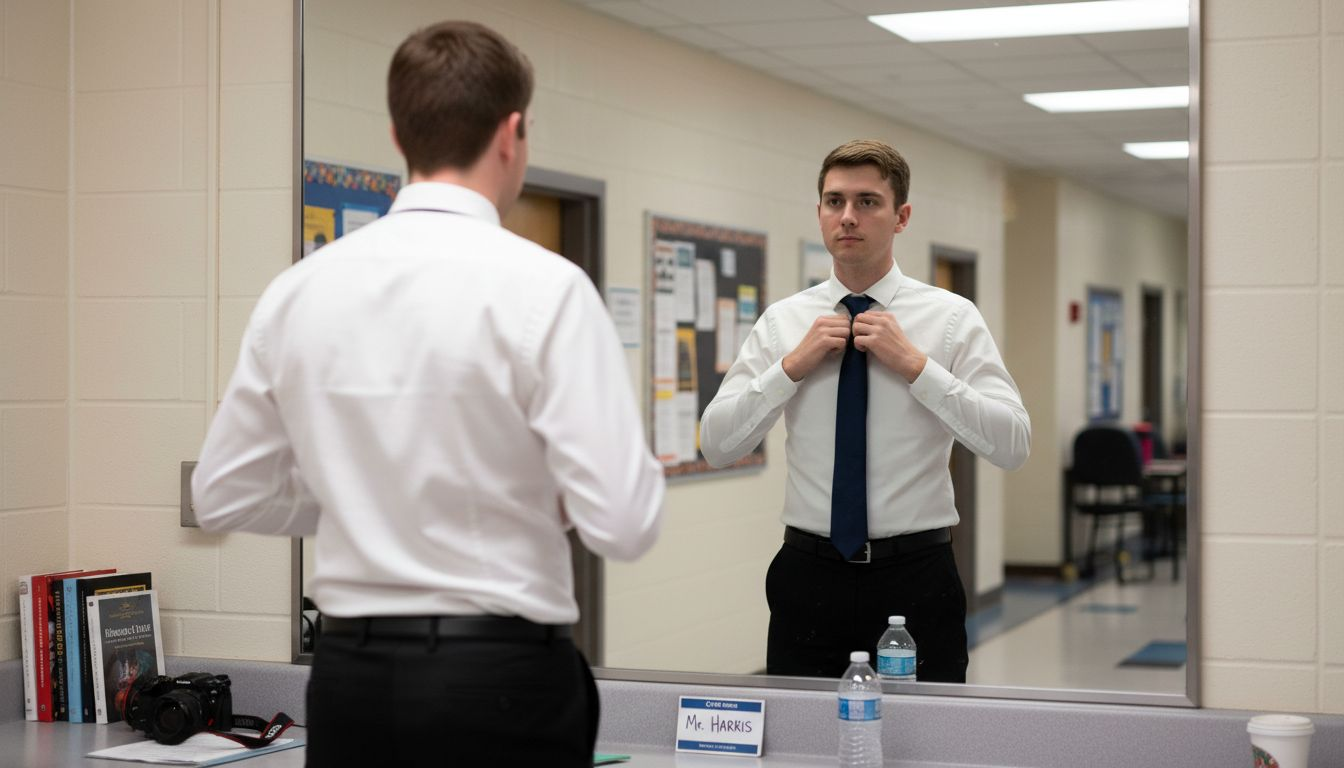
In urban areas, a tailored suit in navy, charcoal, or black creates a polished appearance. Women might choose a professional dress with a blazer or a pantsuit, while men typically opt for a suit with a conservative tie. In more casual or rural communities, business casual attire like dress pants with a button down shirt or a skirt with a professional blouse may be appropriate. Research the school’s typical dress code to gauge the right formality level.
Modesty is essential in educational settings. Choose attire that avoids distractions like flashy jewelry, bold patterns, or revealing cuts. Your clothes should fit well without being too tight or overly loose. Stick with closed toe shoes in good condition, avoiding high heels that might be difficult to walk in during school tours. Keep accessories minimal and professional.
Grooming matters as much as clothing. Ensure your hair is neat and styled professionally, keeping it away from your face. Minimize perfume or cologne, as strong scents can be distracting or trigger allergies. Pay attention to details like clean, trimmed nails and polished shoes. These small touches demonstrate that you take the interview seriously.
Posture and body language enhance your professional presence. Stand and sit up straight, make eye contact, and offer a firm handshake. Smile genuinely and avoid fidgeting with clothing or accessories. Your nonverbal communication should convey confidence and approachability. For more detailed guidance, explore interview attire tips and smart interview attire tips.
Pro Tip: Try on your complete interview outfit a week before, including shoes and accessories, to ensure everything fits comfortably and looks polished. This prevents last minute wardrobe emergencies.
Attire guidelines for teacher interviews:
- Choose colors like navy, black, charcoal, or neutral tones that convey professionalism
- Ensure clothing fits properly and is freshly cleaned and pressed
- Select modest styles that cover shoulders, avoid low necklines, and have appropriate hem lengths
- Wear closed toe shoes in good condition with moderate heel heights
- Keep jewelry, makeup, and accessories simple and understated
Answering interview questions with clarity and authenticity
Effective communication during interviews requires specific techniques that help you deliver thoughtful, genuine responses. When answering questions, smile, listen carefully, pause, and take your time to formulate complete thoughts. This approach prevents rambling and shows you are reflective rather than reactive.
The “tell me about yourself” question often opens interviews and sets the tone. Prepare a concise response (60 to 90 seconds) that highlights your teaching philosophy, relevant experience, and what drew you to education. Focus on your passion for student growth and specific accomplishments that demonstrate your effectiveness. Avoid reciting your entire resume; instead, tell a compelling story about your journey into teaching.
Four key techniques for answering interview questions:
- Smile genuinely to create warmth and show enthusiasm for the conversation.
- Listen actively to the complete question before formulating your response.
- Pause briefly (2 to 3 seconds) to collect your thoughts and structure your answer.
- Take your time delivering responses without rushing or filling silence with filler words.
Incorporate stories that demonstrate your classroom management and relationship building skills. Rather than saying “I’m good with difficult students,” describe a specific situation where you helped a struggling student succeed. Providing specific examples and anecdotes makes your answers more memorable and credible than generic responses. Structure these examples using the STAR method: Situation, Task, Action, Result.
Highlight your ability to support students’ social and emotional well-being. Schools increasingly value teachers who understand students’ social and emotional needs because these skills directly impact student performance and classroom climate. Share examples of how you have created safe, inclusive environments or helped students develop emotional regulation skills.
Authenticity builds trust with interviewers more than perfectly polished answers. If you do not know something, admit it honestly and explain how you would find the answer or develop that skill. Show vulnerability by discussing challenges you have faced and how you grew from them. Interviewers can detect rehearsed or insincere responses, so focus on being genuinely yourself.
For comprehensive question preparation, review common job interview questions answers and top common interview questions for 2026. These resources provide frameworks for structuring responses to behavioral and situational questions.
Topics to address in your interview responses:
- Your classroom management philosophy with concrete examples of implementation
- Specific strategies you use to differentiate instruction for diverse learners
- How you communicate and build partnerships with families and caregivers
- Your approach to assessing student learning and using data to inform instruction
- Examples of collaboration with colleagues and contributions to school culture
Showcase your collaboration and engagement during all interview stages
Teacher interviews often extend beyond traditional question and answer sessions to include school tours, group discussions, and interactions with students. These components test your ability to engage authentically and work collaboratively. The school tour offers a chance to demonstrate genuine curiosity about the learning environment. Ask thoughtful questions about classroom resources, school traditions, and how teachers collaborate. Notice details like student work displays and library resources, then comment on aspects that align with your teaching values.
Group discussions reveal your teamwork and communication skills in real time. Collaboration and approachability leave stronger impressions than trying to dominate conversations or outshine other candidates. Listen actively to others’ ideas, build on their contributions, and ask clarifying questions. Show that you value diverse perspectives and can work effectively in a team environment.
| Collaborative Behaviors | Competitive Behaviors |
|---|---|
| Building on others’ ideas respectfully | Interrupting or dismissing others’ contributions |
| Asking clarifying questions | Dominating conversation time |
| Acknowledging multiple perspectives | Insisting your approach is the only solution |
| Sharing credit for group insights | Taking credit for others’ ideas |
| Listening actively without interrupting | Waiting to speak rather than listening |
Interacting with students during your interview demonstrates your approachability and classroom presence. If you meet students during a school tour or teach a sample lesson, engage warmly and authentically. Greet students by name if introduced, show genuine interest in their work, and maintain appropriate professional boundaries. Your interactions should reflect the positive relationships you describe in interview responses.
Classroom management during observed lessons showcases your teaching skills in action. Focus on clear instructions, positive reinforcement, and smooth transitions rather than achieving perfection. Interviewers understand that demonstration lessons in unfamiliar settings present challenges. They want to see how you handle unexpected situations, redirect off task behavior respectfully, and maintain student engagement.
Explore job interview preparation checklist resources to ensure you are ready for all interview components, not just the formal question session.
Ways to demonstrate engagement during school tours and group activities:
- Ask specific questions about teaching resources, professional development, and school initiatives
- Take notes during the tour to reference later in conversations or thank you notes
- Interact warmly with staff members and students you encounter
- Contribute thoughtfully to group discussions without monopolizing conversation
- Show enthusiasm for the school’s programs and teaching philosophy
Summary and actionable next steps for teacher interview success
Succeeding in teacher interviews requires preparation across multiple dimensions: researching the school thoroughly, practicing common questions with specific examples, presenting yourself professionally, and engaging authentically during all interview stages. These elements work together to demonstrate that you are not just qualified on paper but genuinely ready to contribute to the school community.
Use the tips and strategies outlined in this guide to create a structured preparation plan. Start three weeks before your interview date, breaking tasks into manageable weekly goals. Focus first on research and document preparation, then move to practicing responses and finalizing your attire. The final week should involve reviewing your preparation and visualizing success.
Confidence grows from well rounded readiness that addresses both content knowledge and interpersonal skills. When you have thoroughly prepared, dressed professionally, practiced authentic communication, and planned for collaborative engagement, you can approach the interview with calm assurance. Remember that interviewers want to find the right fit as much as you do, so focus on showing your genuine self.
Authenticity and approachability consistently rank among the most valued qualities in teacher candidates. Schools seek educators who connect well with students, work collaboratively with colleagues, and contribute positively to school culture. Let these qualities shine through every interaction, from your initial greeting to your follow up thank you note.
Review the interview preparation guide for additional resources and tools to support your success in 2026 teacher interviews.
Final preparation checklist:
- Complete thorough research on the school’s mission, values, and community
- Practice answering 15 to 20 common questions with specific examples
- Prepare and review a complete lesson plan with all necessary materials
- Select and try on professional interview attire one week in advance
- Develop thoughtful questions to ask interviewers about school culture
- Plan your route and arrival time to ensure punctuality
Enhance your interview preparation with Parakeet AI
Taking your preparation to the next level means practicing with real time feedback and expert guidance. Parakeet AI offers tools that simulate teaching interviews, helping you organize your preparation and optimize your responses for 2026 interview trends. The platform provides AI powered feedback on your answers, helping you refine delivery, improve clarity, and build confidence.

You can practice common teacher interview questions and receive instant analysis of your responses, identifying areas for improvement in content, pacing, and authenticity. The technology adapts to your specific needs, whether you are preparing for elementary, secondary, or specialized teaching positions. Integration with comprehensive resources helps you master everything from professional attire to question strategies and engagement skills. Explore interview preparation tips to combine the insights from this guide with practical, technology enhanced practice.
FAQ
What are the most common teacher interview questions in 2026?
Common questions focus on classroom management, differentiation strategies, collaboration with families, and your teaching philosophy. Behavioral questions ask you to describe specific situations where you handled challenges or achieved success. Practicing answers to anticipated questions significantly increases interview success. Prepare responses using the STAR method with concrete examples from your experience. Review common job interview questions answers for comprehensive question lists and response frameworks.
How important is dress code for a teacher interview?
Professional attire is extremely important because it creates your first impression before any verbal interaction. Dressing formally and modestly shows respect for the interview process and demonstrates professionalism. Choose attire one step more formal than daily teaching clothes, avoiding distracting accessories or revealing styles. Research the school’s culture to gauge appropriate formality levels. Explore interview attire tips for detailed guidance on creating polished, professional looks.
What social-emotional skills should I highlight in the interview?
Emphasize your ability to create safe, inclusive classroom environments where all students feel valued and supported. Provide specific examples of how you have helped students develop emotional regulation, conflict resolution, or relationship building skills. Teachers demonstrating social-emotional understanding positively impact student performance and overall school climate. Discuss strategies you use to recognize and respond to students experiencing trauma or stress.
How can I show my collaboration skills during the interview?
Engage respectfully with other candidates during group discussions, building on their ideas rather than competing. Collaborative behavior during group activities makes the strongest positive impression on interviewers. Listen actively, ask thoughtful questions, and demonstrate willingness to work as part of the school community. Share examples of successful collaboration with colleagues, administrators, and families from previous positions.