
7 Good Interview Questions to Ask Hiring Manager

Over 80 percent of American job seekers admit they feel unprepared when it comes time to ask thoughtful questions during interviews. The right questions can change the entire dynamic and set you apart from the crowd, whether you are aiming for a role in the United States, Canada, or Europe. By learning how to ask well crafted questions, you not only showcase your strategic thinking but also gain clearer insights into the company’s real expectations and culture.
Table of Contents
- 1. What Does Success Look Like In This Role?
- 2. How Would You Describe The Team’s Work Culture?
- 3. What Are The Biggest Challenges Facing The Team?
- 4. How Do You Measure Employee Performance?
- 5. What Growth And Learning Opportunities Are Available?
- 6. Can You Share How Feedback Is Typically Given?
- 7. What Are The Next Steps In The Hiring Process?
Quick Summary
| Takeaway | Explanation |
|---|---|
| 1. Define Success with the Employer’s Perspective | Ask how the company defines success to understand performance expectations and align your experiences with their criteria. |
| 2. Explore Team Culture Dynamics | Inquire about the team’s work culture to assess collaboration, communication styles, and potential for thriving within the organization. |
| 3. Understand Team Challenges | Ask about the current challenges facing the team to gauge workplace dynamics and reveal opportunities for your contributions. |
| 4. Clarify Employee Performance Metrics | Understanding how the organization measures performance can offer insights into expectations and opportunities for personal growth. |
| 5. Investigate Growth and Learning Opportunities | Asking about professional development opportunities signals your ambition and helps assess the organization’s commitment to nurturing talent. |
1. What Does Success Look Like in This Role?
Understanding how a company defines success is a game changer during job interviews. By asking this strategic question, you reveal critical insights about performance expectations and demonstrate your proactive approach to professional growth.
This question allows hiring managers to articulate their specific vision for the role and provides you an opportunity to evaluate career alignment. Success definitions vary widely across organizations and positions. Some might emphasize quantitative metrics like sales targets or project completion rates, while others focus on qualitative outcomes such as team collaboration or innovative problem solving.
When asking about success, pay attention to how the hiring manager frames their response. Are they describing concrete achievements, behavioral competencies, or broader organizational goals? Their answer will offer a window into the company culture and what they truly value in an employee.
Practical implementation involves listening carefully and then reflecting how your past experiences match their success criteria. This demonstrates not just active listening but strategic self positioning. You want to show that your understanding of success aligns with their expectations.
Pro tip: Before the interview, research the company’s recent achievements and prepare specific examples that showcase how your definition of success matches their organizational objectives.
2. How Would You Describe the Team’s Work Culture?
Uncovering the true essence of a team’s work environment goes far beyond surface level impressions. Asking about work culture during an interview provides critical insights into how people interact, collaborate, and ultimately succeed together.
Work culture represents the unwritten rules and shared expectations that shape daily interactions and professional relationships. Research identifies key elements of a healthy team culture as psychological safety, dependability, role clarity, and meaningful work alignment. Understanding these dimensions helps you assess whether the organization genuinely supports employee growth and satisfaction.
When asking about work culture, listen for specific details about team dynamics. Are managers describing collaborative problem solving? Do they emphasize individual contributions or collective achievements? Pay attention to language that reveals underlying values communication styles, and interpersonal approaches.
Effective questions might explore how the team handles challenges, celebrates successes, and supports professional development. You want to understand not just what work gets done but how it gets accomplished. This approach demonstrates your strategic thinking and commitment to finding a workplace where you can truly thrive.
Pro tip: During the interview, observe nonverbal cues and tone when the hiring manager discusses team culture as these often reveal more authentic insights than scripted responses.
3. What Are the Biggest Challenges Facing the Team?
Understanding the current challenges within a team provides invaluable context about potential workplace dynamics and opportunities for meaningful contribution. By directly asking about obstacles, you demonstrate strategic thinking and genuine interest in the organization’s real world operations.
Team challenges represent complex interconnected issues that impact overall organizational performance. These challenges often extend beyond surface level problems and reveal deeper operational patterns. Common challenges might include resource constraints, communication breakdowns, technological limitations, or strategic misalignments.
When asking this question, pay close attention to how the hiring manager frames their response. Are they transparent about difficulties? Do they discuss challenges as opportunities for growth or as insurmountable barriers? Their approach will reveal significant insights about leadership style and organizational resilience.
Strategic listening is crucial. Look for nuanced explanations that demonstrate self awareness and proactive problem solving. A mature team acknowledges challenges while simultaneously highlighting potential solutions. Your goal is to understand not just what problems exist but how the team approaches resolving them.
Pro tip: Frame your follow up questions to show how your skills and experience might help address the challenges the team is currently experiencing.
4. How Do You Measure Employee Performance?
Understanding performance measurement practices reveals critical insights about an organization expectations and professional growth opportunities. This strategic question helps you decode how your potential employer evaluates success and supports individual development.
Performance management involves systematically tracking employee contributions through evidence based frameworks. These measurement approaches typically combine quantitative metrics and qualitative assessments to provide a comprehensive view of an employee performance.
Effective performance measurement goes beyond simple numerical targets. Look for organizations that describe holistic evaluation methods including goal alignment professional development opportunities and recognition of both individual achievements and collaborative contributions. The most advanced performance management systems integrate personal growth objectives with broader organizational strategies.
When listening to the hiring managers response pay attention to specific indicators. Do they discuss regular feedback sessions? Are performance reviews viewed as developmental conversations or purely administrative processes? The nuances of their explanation will provide significant insights into the companys approach to talent management and employee engagement.
Pro tip: Request specific examples of how performance metrics translate into career advancement and professional development opportunities within the organization.
5. What Growth and Learning Opportunities Are Available?
Asking about professional development reveals your ambition and helps you understand whether the organization genuinely supports employee advancement. This strategic question uncovers the companys commitment to nurturing talent and investing in individual career trajectories.
Career development opportunities represent a critical indicator of organizational culture and employee engagement. Strong learning environments provide structured pathways for skill enhancement, mentorship programs, cross functional training, and potential leadership tracks. These opportunities signal that the company views employees as long term investments rather than replaceable resources.
When discussing growth opportunities, listen for specific details about training programs, tuition reimbursement, conference attendance, internal mobility options, and professional certification support. High performing organizations typically offer multifaceted approaches to employee development that extend beyond basic job training.
Pay attention to how enthusiastically the hiring manager describes these opportunities. Are they presenting generic statements or sharing concrete examples of employees who have successfully advanced through internal development programs? Their response will provide profound insights into the organizations genuine commitment to professional growth.
Pro tip: Request concrete examples of recent employee success stories that demonstrate actual career progression within the organization.
6. Can You Share How Feedback Is Typically Given?
Understanding an organizations approach to feedback reveals critical insights into its communication culture and commitment to employee development. This question helps you assess how constructive dialogue and professional growth are approached within the team.
Effective feedback practices are fundamental to driving workplace performance and employee engagement. High performing organizations view feedback as a continuous dialogue rather than an annual ritual. They create environments where communication is transparent, balanced, and focused on supporting individual and collective success.
When listening to the hiring managers response, pay attention to the specifics of their feedback methodology. Are they describing structured performance reviews, regular check ins, peer review processes, or 360 degree feedback mechanisms? The most progressive organizations integrate multiple feedback channels that provide comprehensive insights into employee performance and potential.
Look for signs of a mature feedback culture that balances constructive criticism with recognition of strengths. Healthy feedback approaches should feel collaborative, forward looking, and designed to support professional growth rather than create anxiety or punitive environments.
Pro tip: Request concrete examples of how feedback has been used to help employees develop and advance within the organization.
7. What Are the Next Steps in the Hiring Process?
Asking about the hiring process timeline demonstrates your professional curiosity and strategic approach to job searching. This question helps you understand the companys recruitment workflow and sets clear expectations for follow up and communication.
Structured hiring processes typically involve multiple carefully planned stages that ensure thorough candidate evaluation. These stages often include initial screening, multiple interview rounds, reference checks, background verification, and final selection. Understanding these steps allows you to prepare effectively and manage your expectations.
Listen carefully for specific details about timelines, potential additional interview stages, and anticipated decision making periods. Some organizations might describe a straightforward process with quick turnaround, while others might have more complex multi stage evaluations involving different department heads or panel interviews.
Pay attention to how transparently and confidently the hiring manager describes the next steps. Their communication style and level of detail can provide valuable insights into the organizations overall approach to talent acquisition and candidate experience.
Pro tip: Ask if you can follow up within a specific timeframe and request the preferred method of communication for post interview updates.
Below is a comprehensive table summarizing key strategies and insights provided in the article regarding effective questions to ask during job interviews.
| Area of Inquiry | Objective | Insights Gained |
|---|---|---|
| Success in Role Definition | To understand how the company defines success and to align personal goals. | Insight into company culture, expectations, and metrics for performance evaluation. |
| Team Work Culture | To ascertain team dynamics and evaluate alignment with personal preferences. | Understanding of interpersonal interactions, collaboration methods, and organizational values. |
| Team’s Challenges | To identify current challenges and opportunities for contribution. | Awareness of operational hurdles, leadership approach, and strategic priorities. |
| Performance Metrics | To learn about evaluation systems and career progression paths. | Comprehension of feedback methods, expectations, and developmental opportunities. |
| Growth Opportunities | To evaluate support for professional development and career advancement. | Identification of learning resources, talent investment, and organizational growth potential. |
| Feedback Mechanisms | To learn how feedback is delivered and utilized for development. | Insights into communication methods, transparency, and team engagement practices. |
| Hiring Process Steps | To clarify the subsequent recruitment process stages and timelines. | Awareness of process structure, timelines, and follow-up expectations. |
Prepare to Ask the Right Questions and Shine in Your Next Interview
Navigating interview challenges like uncovering what success looks like in the role or understanding team dynamics can feel overwhelming. The article highlights the importance of strategic questions such as “How do you measure employee performance” and “What are the biggest challenges facing the team” to truly align your goals with the employer’s expectations. Many candidates struggle to respond thoughtfully in real time when these crucial moments arise.
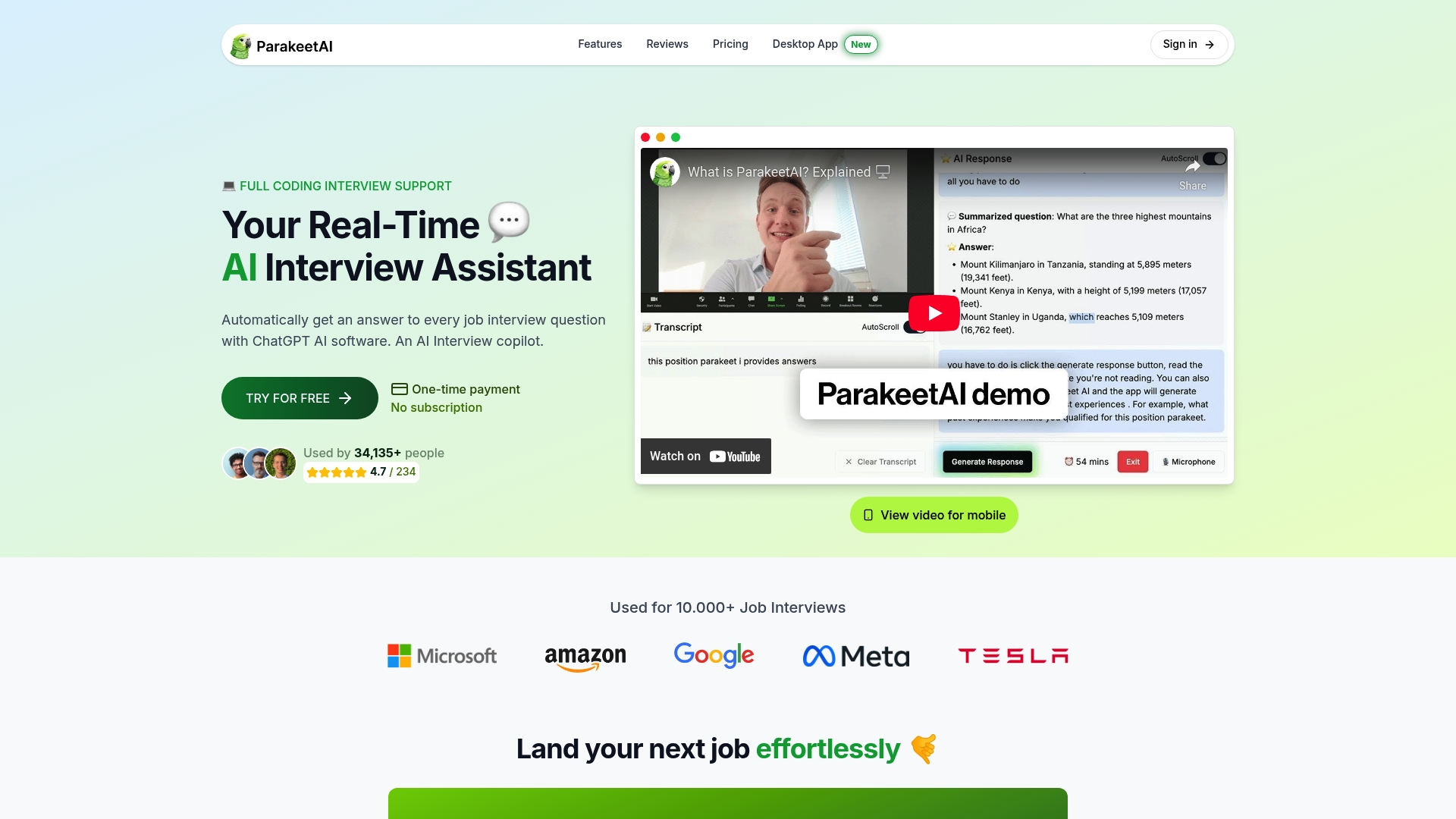
Unlock your full potential with a real-time AI job interview assistant that listens carefully and helps you deliver confident, tailored answers instantly. Visit Parakeet AI to practice and sharpen your questioning strategy before you walk into any interview. Master professional growth discussions, demonstrate active listening, and stand out by connecting your skills with the hiring manager’s needs now. Take control of your career journey today by exploring Parakeet AI’s interview solutions. Your next opportunity deserves your best performance.
Frequently Asked Questions
What questions should I ask the hiring manager during the interview?
Asking about success in the role, team culture, challenges, performance measurement, growth opportunities, feedback, and next steps are key. Prepare a list of these questions ahead of time to ensure you cover all critical areas relevant to your potential job.
How can I frame my questions to demonstrate my interest in the role?
Use open-ended questions that encourage conversation, such as, “Can you describe the team’s work culture?” This approach shows you are engaged and genuinely interested in understanding the workplace.
How should I listen to the hiring manager’s responses during the interview?
Practice active listening by focusing on the specifics of their answers and noting any key themes. Reflect on how your skills align with their expectations based on their responses.
What can I do if the hiring manager does not provide clear answers?
If you notice vague responses, follow up with clarifying questions like, “Can you provide an example of how feedback is typically given?” This can help encourage a more detailed conversation and show your commitment to understanding the role better.
How important is it to ask about growth and learning opportunities?
Asking about growth opportunities shows you’re invested in your career development and eager to contribute long-term. Inquire about specific programs or success stories to gauge how the organization supports employee advancement.