
7 Good Questions to Ask After an Interview for Success

Over half of American employers now say that thoughtful post-interview follow up strongly influences their hiring decisions. For recent graduates and young professionals, those days after an interview can feel uncertain but they are also a critical window to stand out. Knowing exactly how and when to keep the conversation going can help you turn interviews into real job offers, not just for American applicants but for ambitious talent everywhere.
Table of Contents
- What Is the Next Step in the Hiring Process?
- When Can I Expect Feedback About My Interview?
- Is There Anything Else I Can Provide for Evaluation?
- What Skills Matter Most for Success in This Role?
- How Does This Role Fit Into the Team’s Goals?
- What Are Common Challenges for New Hires?
- Can You Share Your Timeline for Making Decisions?
Quick Summary
| Takeaway | Explanation |
|---|---|
| 1. Follow up professionally after the interview | Send a thank you email within 24-48 hours to reiterate your interest and highlight your alignment with the role. |
| 2. Create a tracking system for applications | Maintain a spreadsheet of interview dates, feedback timelines, and responses to effectively manage your job search and follow-up strategy. |
| 3. Offer relevant supplementary materials | Provide additional documentation that showcases your skills, like work samples or references, tailored to the specific job you applied for. |
| 4. Inquire about skills valued for the role | Ask about key skills during the interview to understand what the employer prioritizes and to tailor your responses accordingly. |
| 5. Clarify decision-making timelines | Ask about the organization’s hiring timeline to set your expectations and understand their communication style better during the process. |
1. What Is the Next Step in the Hiring Process?
Understanding the hiring process can feel like navigating a complex maze, but knowing what comes next can dramatically reduce your post-interview anxiety. After submitting your application and completing an interview, employers typically follow a structured interview assessment workflow that involves several critical stages.
The next steps typically include a comprehensive review of your interview performance, background checks, and candidate comparison. Hiring managers will evaluate your skills, cultural fit, and potential contribution to the team. They compare your qualifications against other candidates and internal benchmarks to make a strategic decision.
During this period, patience and professional follow-up are key. Expect a timeline that can range from a few days to several weeks depending on the organization’s size and complexity. Some companies might conduct additional rounds of interviews or request work samples before making a final decision.
To stay proactive, send a brief thank you email within 24 to 48 hours after your interview. In this message, reiterate your interest in the position and briefly highlight how your skills align with the company’s needs. This demonstrates professionalism and keeps you top of mind during the decision making process.
Pro tip: Track your application status discreetly by maintaining a spreadsheet with interview dates, contact names, and expected follow-up timelines to manage your job search effectively.
2. When Can I Expect Feedback About My Interview?
The anticipation of hearing back after an interview can be nerve wracking, but understanding typical feedback timelines can help manage your expectations. Most employers take between one to three weeks to provide post-interview analysis and communicate their decision.
Feedback timelines vary widely depending on several factors including company size, industry, and the complexity of the hiring process. Large corporations might take longer due to multiple interview rounds and extensive candidate evaluations. Smaller organizations often provide quicker responses because they have more streamlined decision making processes.
Typically, you can expect communication through email or phone. Some companies send automated notifications updating your application status, while others prefer direct personal contact. If you have not heard back within the expected timeframe two weeks after your interview it is appropriate to send a professional follow up email expressing continued interest.
To set realistic expectations, ask about the expected timeline during your interview. Inquire about their typical decision making process and when you might expect to hear back. This demonstrates your professionalism and helps you plan your job search strategy more effectively.
Pro tip: Create a tracking system for your job applications that includes interview dates, expected feedback timelines, and actual response dates to help manage your job search expectations and follow up strategy.
3. Is There Anything Else I Can Provide for Evaluation?
Asking what additional materials you can provide demonstrates proactive engagement and a genuine commitment to the hiring process. Understanding how to supplement your application effectively can set you apart from other candidates by showing initiative and thoroughness.
Employers appreciate candidates who are prepared to provide supplementary documentation that strengthens their application. This might include work samples, professional references, project portfolios, or additional certifications that highlight your comprehensive evaluation capabilities. By offering extra evidence of your skills and achievements, you give hiring managers more context about your professional capabilities.
The types of supplementary materials vary by industry and role. For creative positions, a digital portfolio might be ideal. Technical roles might benefit from code repositories or project documentation. Academic or research positions often request publication lists or research summaries. Always tailor your additional materials to showcase how your specific experiences align with the job requirements.
When offering supplementary materials, be strategic and concise. Select items that directly relate to the position and demonstrate your unique value proposition. Avoid overwhelming the hiring team with excessive documentation. Instead, curate a focused collection that tells a compelling story about your professional strengths and potential contributions.
Pro tip: Create a professional digital folder with preorganized supplementary documents that can be quickly shared, ensuring you can respond promptly and professionally to any request for additional evaluation materials.
4. What Skills Matter Most for Success in This Role?
Understanding the key skills required for a specific role goes beyond simply matching job description requirements. Employers are increasingly seeking candidates who demonstrate leadership skills and adaptability in rapidly evolving work environments.
Modern workplace success hinges on a dynamic blend of technical proficiency and human centered competencies. Critical skills include problem solving, digital literacy, emotional intelligence, communication, and continuous learning ability. Employers value professionals who can navigate complexity, collaborate effectively, and bring innovative thinking to their teams.
To identify the most important skills, research the company culture and specific role requirements. During your interview, ask targeted questions about the skills they consider most crucial. Pay attention to how interviewers describe ideal candidate attributes. Are they emphasizing technical expertise, interpersonal capabilities, or a balanced approach?
Technical skills provide foundational competence, but soft skills often differentiate exceptional candidates. Demonstrate your ability to adapt, communicate clearly, work collaboratively, and learn quickly. Highlight experiences that showcase your capacity to solve problems, lead teams, and drive meaningful results in challenging environments.
Pro tip: Create a skills matrix mapping your professional abilities against job requirements, identifying and preparing targeted examples that showcase how your unique skill combination meets the role’s specific needs.
5. How Does This Role Fit Into the Team’s Goals?
Understanding your potential role within a team’s broader strategic objectives demonstrates professional maturity and strategic thinking. By asking about team dynamics and collective goals, you showcase your commitment to collaborative workplace environments.
Team goals extend far beyond individual job descriptions. Each role represents a critical piece of a larger organizational puzzle, contributing unique skills and perspectives toward collective achievement. Employers value professionals who see themselves as integral team members rather than isolated individual contributors.
To comprehensively understand how your role connects to team goals, ask strategic questions during the interview. Request insights about team structure, current projects, challenges, and how the specific position supports broader departmental objectives. Pay attention to how interviewers describe team dynamics, collaborative processes, and shared mission.
Effective team integration requires more than technical competence. It demands adaptability, communication skills, mutual respect, and a genuine commitment to supporting collective outcomes. Demonstrate your ability to collaborate, contribute constructively, and align personal performance with team success.
Pro tip: Develop a mental framework that positions your potential role as a collaborative function within the team ecosystem, focusing on how your unique skills can enhance collective performance and support shared strategic objectives.
6. What Are Common Challenges for New Hires?
Starting a new job can feel like navigating uncharted territory, with numerous potential obstacles that can impact your initial professional experience. Understanding the common career development challenges helps you proactively prepare and strategize your approach.
New hires frequently encounter multiple challenges that can create significant workplace stress. These typically include unclear job expectations, insufficient onboarding processes, cultural adaptation difficulties, and a lack of immediate professional support. Many organizations struggle with effectively integrating new team members, which can lead to increased anxiety and reduced initial productivity.
Communication emerges as a critical factor in overcoming these challenges. Ask specific questions during your interview about onboarding processes, team communication protocols, and performance expectations. Seek clarity on your role responsibilities, understand the team’s workflow, and identify potential mentorship opportunities that can help you navigate your initial weeks more effectively.
Building relationships quickly can mitigate many common challenges. Approach your new role with curiosity, openness, and a willingness to learn. Demonstrate proactive communication, ask thoughtful questions, and show genuine interest in understanding the organizational culture and team dynamics.
Pro tip: Create a personal onboarding checklist during your first two weeks, documenting key learnings, questions, and observations to help you rapidly integrate and identify areas where you need additional support or clarification.
7. Can You Share Your Timeline for Making Decisions?
Understanding an organization’s decision making process can transform your interview from a one sided conversation into a strategic dialogue. Asking about the leadership decision-making approach demonstrates your professional maturity and genuine interest in the role.
Decision making timelines vary significantly across different organizations and departments. Some companies move quickly with centralized leadership, while others involve extensive collaborative processes that require multiple stakeholder inputs. By asking about their specific timeline, you gain critical insights into the organization’s culture, communication style, and operational efficiency.
When requesting timeline information, frame your question professionally and strategically. Ask about expected milestones for candidate selection, potential start dates, and the overall hiring workflow. Pay attention not just to the specific dates but to how the interviewer communicates these details. Their transparency and clarity can reveal much about the organization’s communication practices.
Effective timeline inquiries go beyond simple date requests. They demonstrate your forward thinking approach and help you understand potential next steps. Your goal is to show genuine interest while gathering practical information that helps you plan your professional transition and manage expectations.
Pro tip: Create a professional follow up strategy that includes gentle timeline check ins, ensuring you remain proactive without appearing overly pushy or impatient.
Below is a comprehensive table summarizing the key concepts and strategies discussed throughout the article regarding progressing through the hiring process and strategies for post-interview actions.
| Aspect | Details | Actions/Recommendations |
|---|---|---|
| Next Steps in Hiring Process | Post-interview actions include performance evaluations, background checks, and candidate comparisons. | Demonstrate patience, follow up professionally with a thank-you email, and stay proactive by tracking progress through a personal system. |
| Feedback Timelines | Employers may take one to three weeks to provide feedback, influenced by organizational size and process complexity. | Inquire about expected timelines during interviews and follow up professionally if required. |
| Supplementary Materials | Providing relevant additional materials, such as portfolios or certifications, can enhance your application. | Curate a focused and strategic collection of materials that align with job requirements and demonstrate your competencies. |
| Key Role Skills | Success in roles often relies on both technical proficiency and soft skills like adaptability, communication, and problem-solving. | Research provided role descriptions and company culture to align demonstrated skills with expectations. |
| Team Integration Goals | Understanding your role’s contribution to team objectives highlights alignment with strategic goals. | Ask about team dynamics and objectives and position yourself as a collaborative contributor. |
| Challenges for New Hires | Common challenges include adapting to culture and unclear expectations. | Proactively seek clarification, communicate effectively, and establish connections within the organization. |
| Timeline Considerations | Decision-making timelines vary across organizations, influenced by leadership and decision workflow. | Ask about specific timelines during interviews to gain insights while preparing professionally tailored follow-ups. |
This table encapsulates the major points from the article to assist candidates in navigating the post-interview phase and improving their alignment with potential employers.
Master Your Post-Interview Success with Real-Time AI Support
Navigating the challenging moments after an interview can feel overwhelming with questions about the next step, feedback timelines, and how to best provide additional materials. This article highlights critical steps like understanding the hiring process, preparing thoughtful questions, and tracking timelines—all essential to reduce anxiety and boost your confidence. If you want to transform these challenges into clear advantages, embracing a tool that offers instant answers and strategic guidance during your interview journey is key.
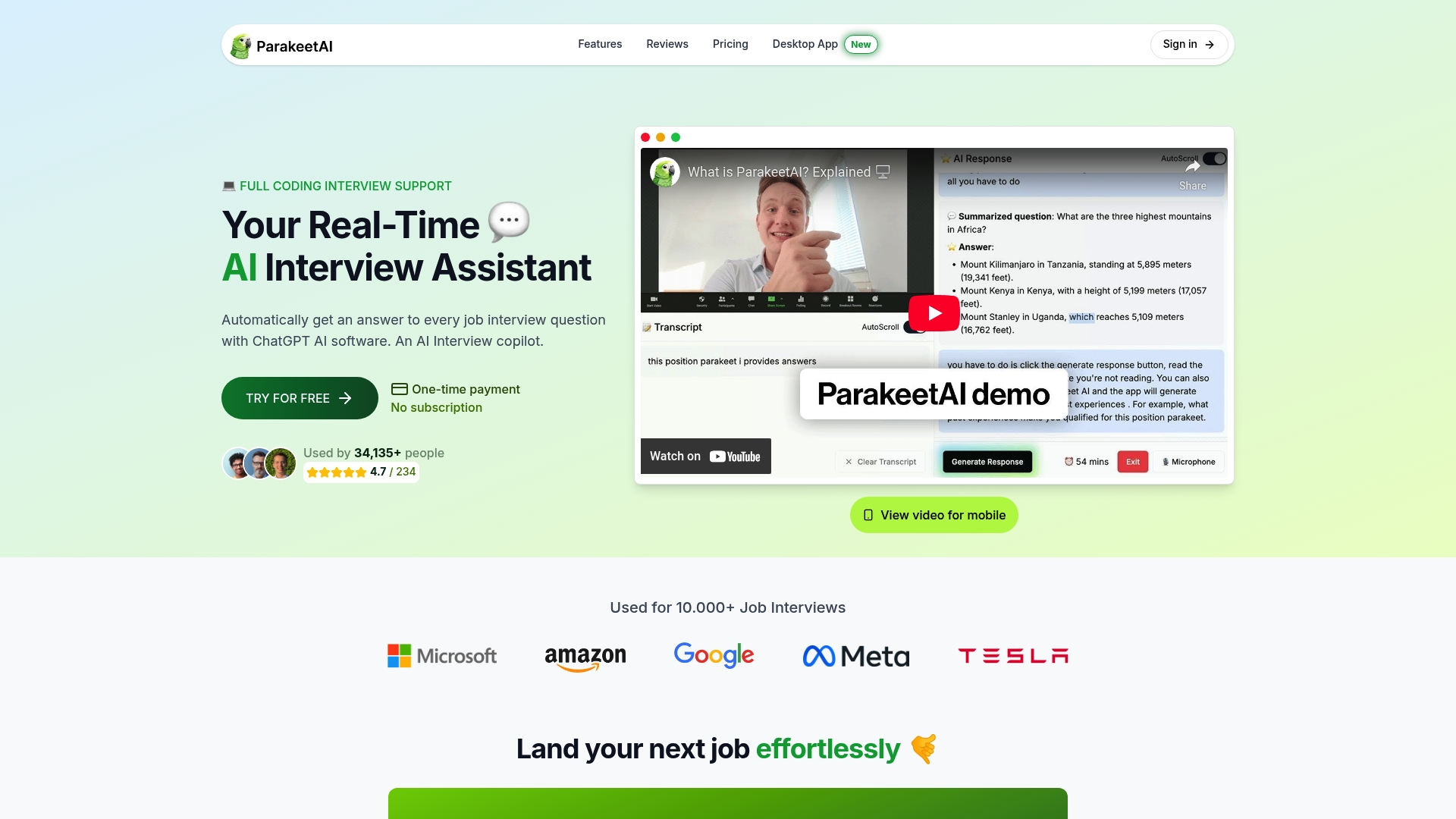
Unlock the power of a real-time AI job interview assistant at Parakeet AI. Our solution listens carefully to your interview and automatically provides insightful answers to common and complex questions. It empowers you to follow up professionally, prepare supplementary materials effectively, and understand crucial hiring dynamics such as decision timelines and team goals. Visit Parakeet AI now to elevate your interview strategy and stay ahead in your career search. Don’t let uncertainty hold you back—start getting the support you deserve today.
Frequently Asked Questions
What is the best question to ask after an interview to show my interest?
Asking about the next steps in the hiring process is an excellent way to show your enthusiasm. You could phrase it as, “What are the next steps in the hiring process?” This demonstrates your interest in the position and helps you understand the timeline for a decision.
How can I inquire about the skills that are most valued for this role?
You can ask, “What skills are most important for success in this role?” This question highlights your desire to align your qualifications with the expectations of the team. To make the most of this, be prepared to discuss how your existing skills apply to the role.
What challenges do new hires typically face in this position?
Asking, “What are common challenges for new hires?” shows your proactive approach to overcoming potential obstacles. This allows you to understand the onboarding experience better and prepare yourself to handle those challenges effectively.
How will my role contribute to the team’s goals?
You can ask, “How does this role fit into the team’s goals?” This question indicates that you view yourself as part of a larger effort and are focused on collaboration. It may also provide insights on how to make immediate contributions once you start.
What can I provide to help with my evaluation after the interview?
Inquire, “Is there anything else I can provide for evaluation?” This showcases your willingness to go above and beyond. Be ready to offer additional materials that reflect your expertise and support your candidacy, such as work samples or references.
Recommended
- questions to ask at the end of an interview - ParakeetAI
- great questions to ask at the end of an interview - ParakeetAI
- best questions to ask at the end of an interview - ParakeetAI
- effective interview questions - ParakeetAI
- 7-Step SEO Checklist for Small Businesses Success
- How to Build Investor Network for Real Estate Success | Bold Street AI