
Job Applicant Screening Explained: Complete Overview

Sorting through hundreds of applications can overwhelm even the most experienced American recruiters. Hiring decisions matter because the right employee can elevate an entire team’s performance, yet the wrong choice brings wasted time and cost. With more than 70 percent of American employers now using advanced screening tools, understanding how modern applicant screening works is key to hiring efficiency and fairness. This article sheds light on the essential steps, challenges, and technologies that shape today’s candidate selection process.
Table of Contents
- Defining Job Applicant Screening Processes
- Common Types of Applicant Screening Methods
- Technology’s Role in Screening Candidates
- Legal and Ethical Considerations in Screening
- Common Pitfalls and How to Avoid Them
Key Takeaways
| Point | Details |
|---|---|
| Effective Screening Process | Organizations should implement a systematic screening process that includes initial document reviews and in-depth evaluations to identify optimal candidates. |
| Technology Utilization | Leveraging advanced technologies like AI and automated tools can enhance efficiency and accuracy in candidate screening. |
| Legal and Ethical Compliance | Adhering to legal standards is crucial; practices must ensure fairness and avoid discriminatory methods during the screening process. |
| Addressing Pitfalls | Organizations must standardize evaluation methods to mitigate bias and maintain a transparent, inclusive hiring approach. |
Defining Job Applicant Screening Processes
Job applicant screening represents a systematic method organizations use to evaluate potential candidates and determine their suitability for specific roles. At its core, screening applicants involves carefully reviewing application materials to assess whether candidates meet the fundamental qualifications for a position.
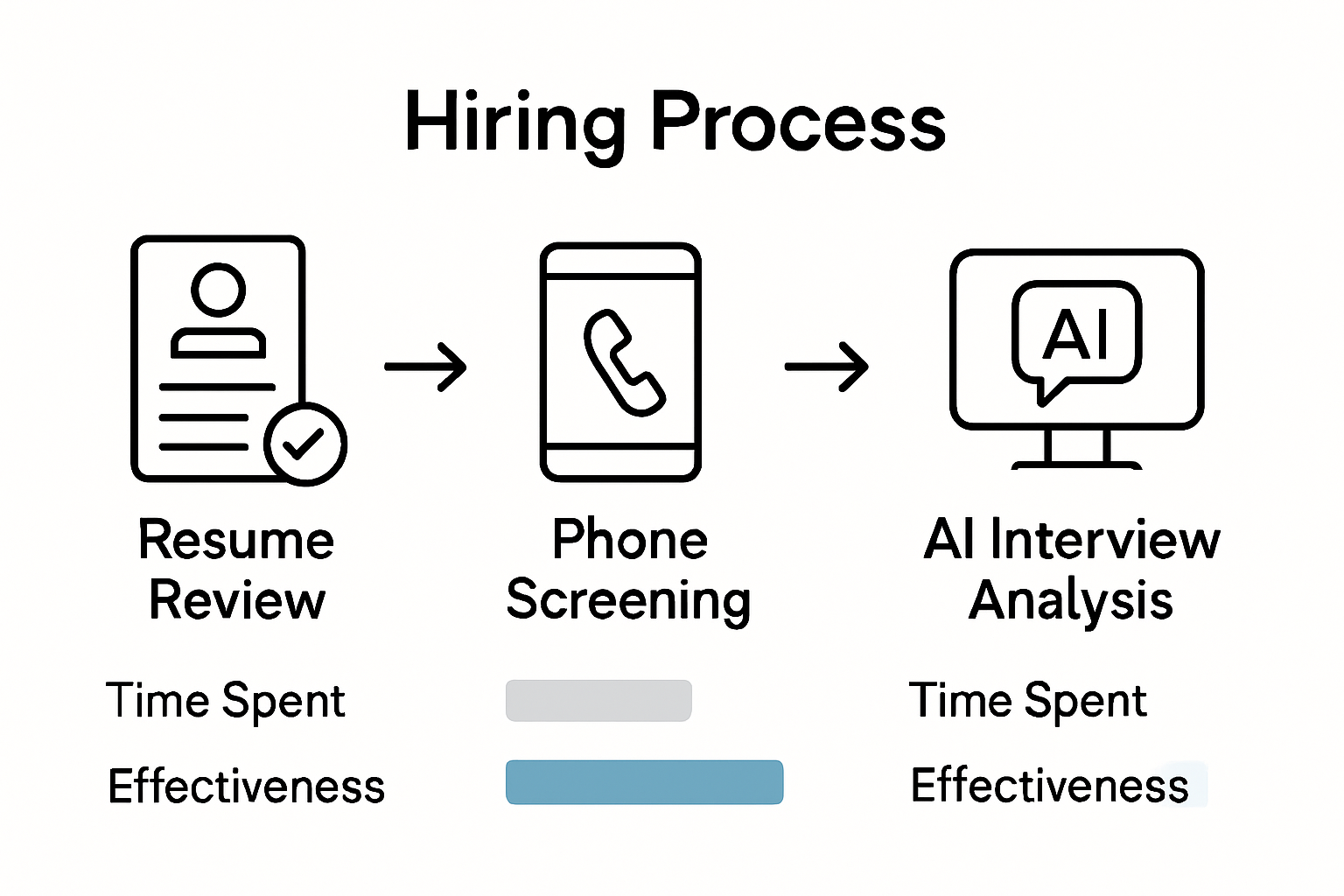
The screening process typically includes multiple strategic stages designed to progressively narrow down candidate pools. Organizations first examine initial application documents like resumes, cover letters, and professional credentials to verify basic requirements. Recruiters look for specific indicators such as required education levels, relevant work experience, essential skills, and minimum professional certifications. These initial reviews help eliminate candidates who do not meet the most fundamental job prerequisites.
As part of comprehensive screening efforts, employers often implement structured evaluation workflows that extend beyond document reviews. These advanced screening techniques might include preliminary phone screenings, skills assessments, personality evaluations, and background checks. The Metropolitan Government of Nashville highlights this multifaceted approach, noting that applicant selection involves not just initial document review but also placement on eligible candidate lists and subsequent in-depth interview processes.
Effective job applicant screening goes beyond simple checkbox exercises. Successful screening processes balance objective qualification assessments with nuanced evaluations of candidate potential. Key elements include:
- Alignment with specific job requirements
- Comprehensive skills and experience verification
- Assessment of cultural and organizational fit
- Identification of candidates with growth potential
- Minimization of hiring biases through structured evaluation methods
Common Types of Applicant Screening Methods
Organizations employ multiple screening methods to evaluate job candidates systematically and efficiently. Automated screening systems have become increasingly sophisticated, allowing recruiters to process large volumes of applications quickly and objectively by assessing candidates against predefined criteria.

One primary screening approach involves structured application questionnaires that help employers quickly filter candidates. These questionnaires typically include closed-ended questions with point-based ranking systems, enabling recruiters to quantitatively evaluate candidates’ knowledge, skills, and abilities. Recruiters might assign weighted scores to different responses, creating a standardized method for comparing applicant qualifications.
Digital screening technologies have transformed traditional hiring processes. Advanced methods now include online skills assessments, personality evaluations, and comprehensive background checks. Interview screening questions play a crucial role in this process, allowing employers to probe deeper into candidates’ professional capabilities and cultural fit beyond initial document reviews.
Key screening methods encompass a range of strategic approaches:
- Resume and application document review
- Online skills and aptitude assessments
- Preliminary phone screenings
- Video interview evaluations
- Background and reference checks
- Personality and psychological assessments
- Technical skills testing
Successful screening processes balance technological efficiency with nuanced human judgment, ensuring organizations identify candidates who not only meet technical requirements but also demonstrate potential for long-term success.
Technology’s Role in Screening Candidates
Technology has revolutionized the candidate screening process, transforming traditional hiring methods into sophisticated, data-driven approaches. Resume screening software now employs advanced algorithms that can rapidly scan thousands of applications, identifying top candidates by detecting relevant keywords, skills, and professional experiences with unprecedented accuracy and speed.
Modern screening technologies leverage artificial intelligence and machine learning to create more nuanced candidate evaluations. Talent Acquisition Management systems enable recruiters to design complex screening questionnaires that assess candidates’ qualifications through interactive, multidimensional assessments. These technological tools can evaluate not just basic qualifications, but also soft skills, cultural fit, and potential for growth within an organization.
Automated interview tools have emerged as a game-changing technology in candidate screening. AI-powered chatbots and virtual assistants can conduct initial candidate interviews, performing preliminary skill assessments and providing instant feedback. These technologies help organizations streamline their hiring processes, reduce human bias, and create more standardized evaluation methods.
Key technological advancements in candidate screening include:
- Keyword-based resume parsing
- AI-driven candidate matching algorithms
- Automated skills assessment platforms
- Video interview analysis tools
- Predictive hiring analytics
- Machine learning candidate ranking systems
- Real-time background verification technologies
While technology offers unprecedented efficiency, successful screening strategies still require a balanced approach that combines technological insights with human judgment and intuition.
Legal and Ethical Considerations in Screening
Applicant screening requires careful navigation of complex legal and ethical landscapes to protect both employers and candidates. Screening practices must strictly adhere to federal and state regulations that prohibit discriminatory hiring methods, ensuring fair and transparent evaluation processes that respect candidates’ rights and privacy.
AI interview fairness has become a critical focus in modern hiring practices. Organizations must implement screening technologies that eliminate unconscious bias, prevent discriminatory filtering, and provide equal opportunities for all candidates regardless of race, gender, age, disability status, or background. This means developing algorithmic screening tools that focus strictly on job-related qualifications and potential performance.
Ethical screening processes demand comprehensive compliance with legal standards. Critical considerations include:
- Protecting candidate personal information
- Ensuring transparent screening methodologies
- Avoiding discriminatory screening criteria
- Maintaining consistent evaluation standards
- Providing reasonable accommodation for candidates with disabilities
- Obtaining explicit consent for background checks
- Maintaining data privacy and security
Successful organizations recognize that legal compliance is not just about avoiding penalties, but about creating inclusive, respectful hiring environments that value individual potential and organizational integrity.
Common Pitfalls and How to Avoid Them
Screening processes are fraught with potential challenges that can undermine the effectiveness and fairness of candidate evaluation. Organizations frequently encounter unintentional barriers that can lead to missed opportunities, legal risks, and reduced diversity in their talent pools.
Inconsistent screening methods represent a critical pitfall that can compromise the integrity of hiring processes. Many organizations struggle with non-standardized evaluation approaches that introduce subjective bias, making it difficult to compare candidates objectively and make informed hiring decisions. Developing clear, uniform screening templates and establishing consistent evaluation criteria are essential strategies for mitigating these risks.
Screening strategy vulnerabilities often emerge through several common mechanisms:
- Unconscious personal bias influencing candidate assessment
- Overly narrow or restrictive job qualification definitions
- Incomplete or outdated job description parameters
- Lack of structured evaluation frameworks
- Insufficient documentation of screening decisions
- Inadequate candidate communication protocols
- Failure to provide reasonable accommodation options
Successful screening approaches require proactive management, continuous process refinement, and a commitment to creating fair, transparent, and inclusive talent acquisition strategies that identify the most promising candidates while protecting organizational and individual interests.
Enhance Your Job Applicant Screening with AI Support
Navigating the complexities of job applicant screening requires precision and fairness. The challenges of evaluating qualifications, eliminating bias, and assessing cultural fit demand efficient and consistent tools. Our real-time AI job interview assistant at Parakeet AI is designed to empower both interviewers and candidates by providing immediate, accurate answers that support structured evaluation workflows and promote standardized screening methods.
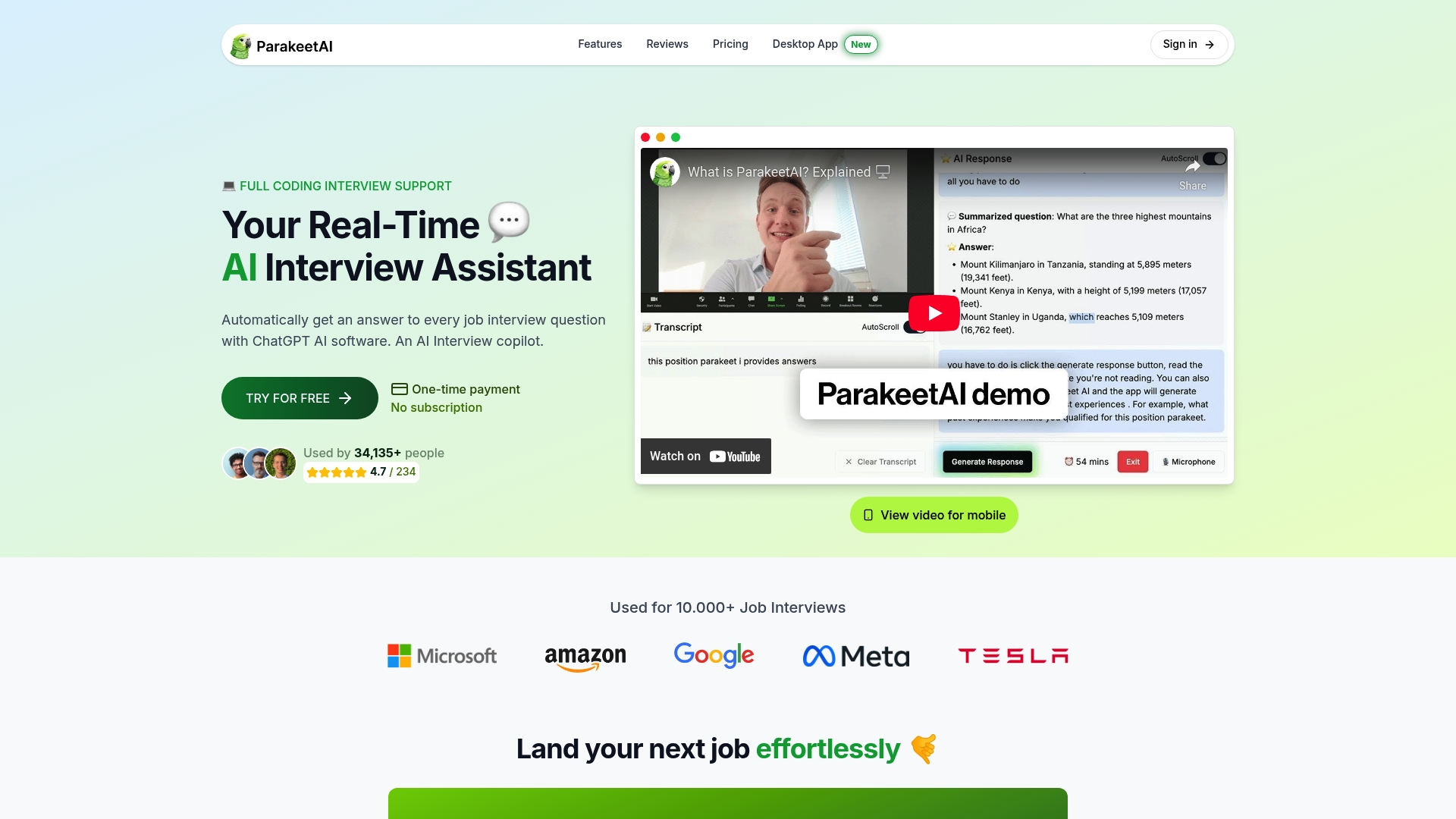
Experience the future of candidate screening by harnessing AI technology that listens, understands, and delivers insights during interviews. Visit Parakeet AI today to streamline your hiring process, ensure legally compliant assessments, and confidently identify top talent through unbiased, real-time assistance. Don’t let complex screening hold you back. Take the first step toward smarter hiring now.
Frequently Asked Questions
What is the job applicant screening process?
The job applicant screening process involves evaluating potential candidates through multiple methods, such as reviewing application documents, conducting phone screenings, and using assessments to determine their suitability for specific roles.
What are the common methods used for screening job applicants?
Common screening methods include resume and application reviews, online skills assessments, preliminary phone screenings, video interviews, background checks, and personality evaluations.
How does technology impact the candidate screening process?
Technology enhances the candidate screening process by utilizing resume screening software, AI-driven algorithms, and automated assessment platforms to efficiently identify qualified candidates while reducing human bias and increasing accuracy.
What legal and ethical considerations should be taken into account during applicant screening?
Legal and ethical considerations include ensuring fair and non-discriminatory practices, protecting candidates’ personal information, maintaining transparency in screening methodologies, and providing accommodations for candidates with disabilities.