
AI for Interview Fairness: Complete Guide
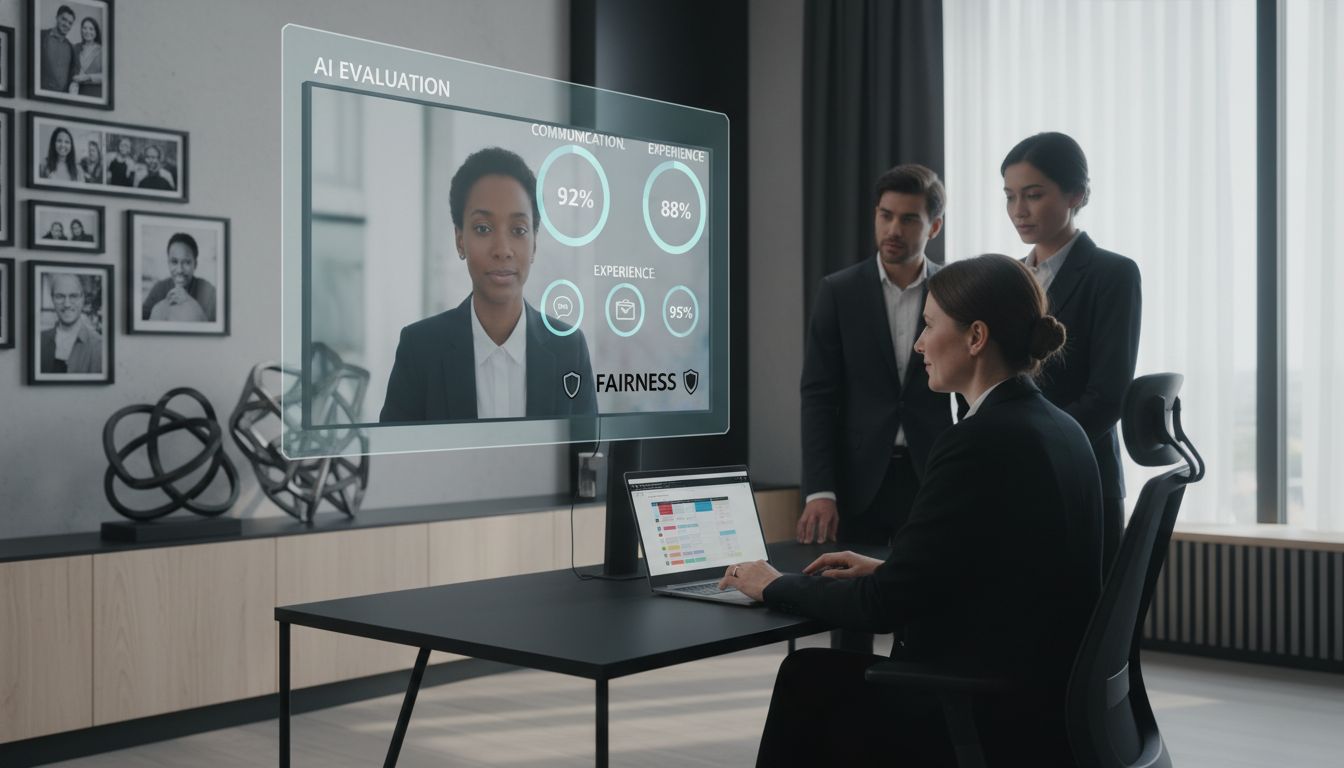
More than 60 percent of employers are now turning to AI tools to improve the fairness of their interview processes. As hiring decisions shape entire teams and workplace cultures, even small biases can have a lasting impact. AI offers new ways to create equal opportunities by using standardized criteria rather than relying on gut feeling or unconscious bias. This guide sheds light on how smart technology is changing interviews and what it means for job seekers and companies alike.
Table of Contents
- Defining AI’s Role In Interview Fairness
- Types Of AI Interview Tools
- How AI Ensures Fairness In Interviews
- Legal And Ethical Requirements
- Risks And Bias In AI Interviewing
- Best Practices For Fair AI Interviews
Key Takeaways
| Point | Details |
|---|---|
| AI Enhances Interview Fairness | AI provides objectivity by minimizing unconscious biases and enabling standardized evaluation metrics for candidate assessments. |
| Diverse AI Tools Available | Various AI interview tools, including video analysis and bias detection systems, streamline recruitment and help identify suitable candidates efficiently. |
| Ethical and Legal Compliance Essential | Organizations must prioritize transparency, non-discrimination, and data privacy in AI-driven hiring processes to mitigate potential biases. |
| Continuous Monitoring Required | Regular audits and updates of AI systems are necessary to address emerging biases and ensure fairness in recruitment decisions. |
Defining AI’s Role In Interview Fairness
AI is transforming interview processes by introducing unprecedented levels of objectivity and consistency in candidate evaluations. Unlike traditional human-driven interviews susceptible to unconscious bias, artificial intelligence offers a structured approach that can systematically analyze candidate responses while minimizing personal prejudices.
At its core, AI for interview fairness operates through advanced algorithms that evaluate candidate performance based on predefined, standardized criteria. These intelligent systems can assess verbal and non-verbal communication, linguistic patterns, and response quality without being influenced by demographic characteristics like age, gender, race, or background. The goal is not to replace human judgment but to provide an additional layer of impartial assessment that complements human decision-making.
The key mechanisms through which AI enhances interview fairness include:
- Standardized Scoring: Creating uniform evaluation metrics across all candidates
- Bias Detection: Identifying and flagging potential discriminatory language or assessment patterns
- Consistent Questioning: Ensuring every candidate receives comparable interview experiences
- Anonymized Initial Screening: Removing identifiable personal information during preliminary evaluation stages
By examining AI’s role in interview consistency, organizations can transform their recruitment strategies from potentially subjective processes to data-driven, equitable selection methodologies. The technology doesn’t just promise fairness - it actively works to deconstruct traditional barriers that have historically limited diverse talent acquisition.
Types Of AI Interview Tools
AI interview tools have revolutionized recruitment by offering diverse technological solutions that streamline and enhance candidate evaluation processes. According to HRLineup, the landscape of AI interview technologies encompasses several sophisticated categories designed to address different recruitment challenges.
Video Interview Analysis Tools represent a significant segment of AI interview technologies. These platforms utilize advanced machine learning algorithms to analyze candidate responses, evaluating verbal communication, emotional intelligence, body language, and linguistic nuances. By providing objective, data-driven insights, these tools help recruiters move beyond traditional subjective assessment methods.
The primary types of AI interview tools include:
- Screening and Shortlisting Tools: Automatically filter candidates based on predefined criteria
- Video Interview Assessment Platforms: Analyze non-verbal communication and candidate performance
- Skill Matching Algorithms: Match candidate capabilities with job requirements
- Natural Language Processing (NLP) Evaluation Systems: Assess communication skills and response quality
- Bias Detection and Mitigation Tools: Identify and minimize unconscious recruitment biases
Through exploring AI-powered job interview tools, organizations can gain comprehensive insights into how these technologies are transforming traditional recruitment paradigms. The future of hiring lies in leveraging these intelligent systems to create more equitable, efficient, and data-driven talent acquisition strategies.

How AI Ensures Fairness In Interviews
Artificial intelligence has emerged as a powerful tool for addressing systemic biases in recruitment processes. According to recent research from arXiv, AI interventions are specifically designed to reduce inherent sentiment biases that traditionally plague human-led interview evaluations, creating a more objective candidate assessment framework.
The mechanisms of AI-driven fairness are multifaceted and strategically implemented. Research exploring virtual interview experiences highlights how advanced algorithms can systematically neutralize demographic influences by focusing exclusively on candidate skills, qualifications, and response qualities. These intelligent systems analyze interview interactions through multiple sophisticated lenses, eliminating unconscious human prejudices that often unconsciously impact candidate evaluations.
Key strategies AI employs to ensure interview fairness include:
- Anonymized Initial Screening: Removing personally identifiable information before evaluation
- Standardized Scoring Metrics: Creating uniform assessment criteria across all candidates
- Linguistic Pattern Analysis: Evaluating communication skills without demographic context
- Sentiment Neutrality: Measuring response quality independent of personal characteristics
- Consistent Question Protocols: Ensuring identical interview experiences for every candidate
Through understanding AI in the hiring process, organizations can transform their recruitment strategies from potentially biased human judgments to data-driven, equitable selection methodologies.
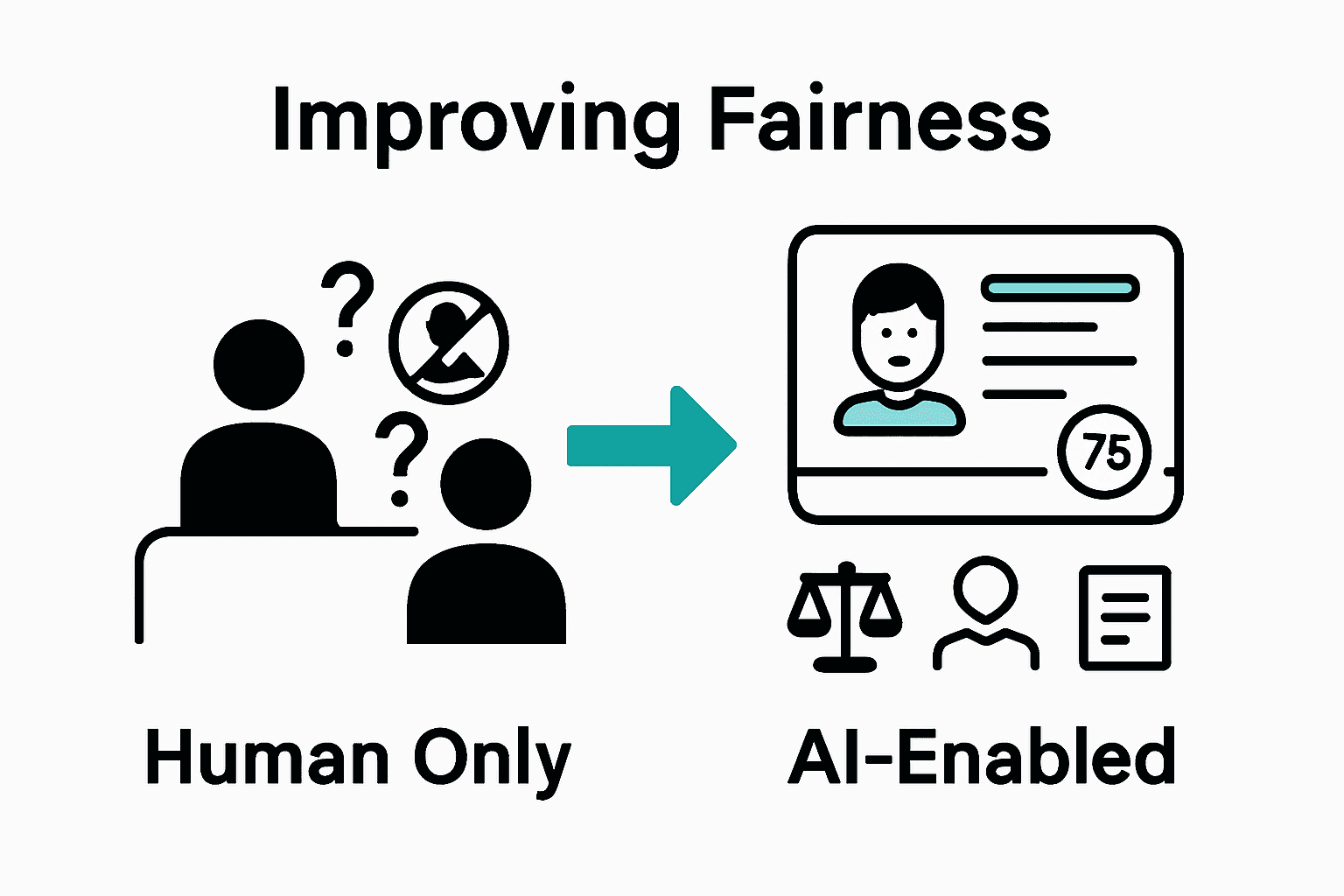
The future of fair hiring lies in leveraging these intelligent systems to create more inclusive and objective talent acquisition practices.
Legal And Ethical Requirements
Artificial Intelligence in recruitment introduces complex legal and ethical considerations that organizations must carefully navigate. According to research from arXiv, there is a critical need to develop structured approaches that proactively mitigate potential discrimination and unfairness in AI-driven hiring systems.
The legal landscape surrounding AI interview tools demands rigorous compliance with anti-discrimination regulations. Employers must ensure that AI algorithms do not inadvertently perpetuate systemic biases based on protected characteristics such as race, gender, age, or disability. Research from SciSimple emphasizes the importance of developing comprehensive fairness metrics that go beyond traditional equal opportunity frameworks.
Key ethical and legal considerations for AI interview technologies include:
- Transparency: Providing clear explanations of how AI assessment algorithms work
- Non-Discrimination: Ensuring algorithms do not produce biased or discriminatory outcomes
- Data Privacy: Protecting candidate personal information and obtaining proper consent
- Accountability: Establishing clear responsibility for AI-driven hiring decisions
- Continuous Auditing: Regularly reviewing and updating AI systems to eliminate emerging biases
Through understanding AI in the hiring process, organizations can develop responsible AI strategies that balance technological innovation with fundamental principles of fairness and equal opportunity.
Risks And Bias In AI Interviewing
Artificial Intelligence in recruitment introduces significant potential for unintended bias and systemic discrimination. According to research from arXiv, AI-driven personality assessment tools can inadvertently amplify existing biases through complex algorithmic processes, creating a dangerous cycle of discriminatory decision-making.
Research from the CIPD highlights critical concerns about AI interview technologies, particularly emphasizing the reduced sense of candidate control and increased perception of ambiguity in automated evaluation processes. These technologies risk undermining the fundamental principles of fair and transparent recruitment by introducing opaque decision-making mechanisms.
Key risks and potential bias sources in AI interviewing include:
- Historical Data Bias: Algorithms trained on past hiring data may perpetuate historical discrimination
- Demographic Representation Gaps: Underrepresented groups potentially face disproportionate screening challenges
- Linguistic Interpretation Limitations: Natural language processing may misinterpret communication nuances
- Algorithmic Opacity: Lack of transparency in decision-making processes
- Cultural Context Misunderstandings: AI systems potentially misinterpreting cultural communication variations
Through understanding AI in the hiring process, organizations can develop more sophisticated approaches to mitigate these inherent risks and create more equitable technological recruitment strategies.
Best Practices For Fair AI Interviews
Artificial Intelligence in recruitment requires a strategic and ethical approach to ensure genuine fairness and inclusivity. According to a systematic review from Springer, successful AI interview implementation demands careful navigation of ethical, technical, and practical challenges to create truly equitable evaluation processes.
Developing fair AI interview systems goes beyond simple algorithmic adjustments. Organizations must implement comprehensive strategies that proactively address potential biases and create transparent, accountable technological frameworks. This involves continuous monitoring, regular algorithm auditing, and a commitment to understanding the nuanced ways AI can inadvertently perpetuate systemic discrimination.
Key best practices for ensuring fairness in AI interviews include:
- Diverse Training Data: Using representative, multicultural datasets for algorithm training
- Regular Bias Auditing: Conducting periodic assessments of AI decision-making patterns
- Human Oversight: Maintaining human intervention points in automated evaluation processes
- Transparent Scoring Mechanisms: Providing clear explanations of assessment criteria
- Continuous Algorithm Refinement: Updating AI systems to address emerging bias patterns
Through exploring AI interview best practices, organizations can develop robust, ethical AI interview technologies that genuinely support fair and inclusive talent acquisition.
Enhance Interview Fairness with Real-Time AI Assistance
Navigating the complexities of AI for interview fairness can feel overwhelming, especially when striving to eliminate bias and ensure objective candidate evaluations. This guide highlights how challenges like unconscious bias, standardized scoring, and consistent questioning are reshaping recruitment. If you want to experience firsthand how AI can support you through these hurdles, our real-time AI job interview assistant at Parakeet AI offers an innovative solution. It listens carefully and generates answers automatically, helping you maintain fairness and consistency throughout your interviews.
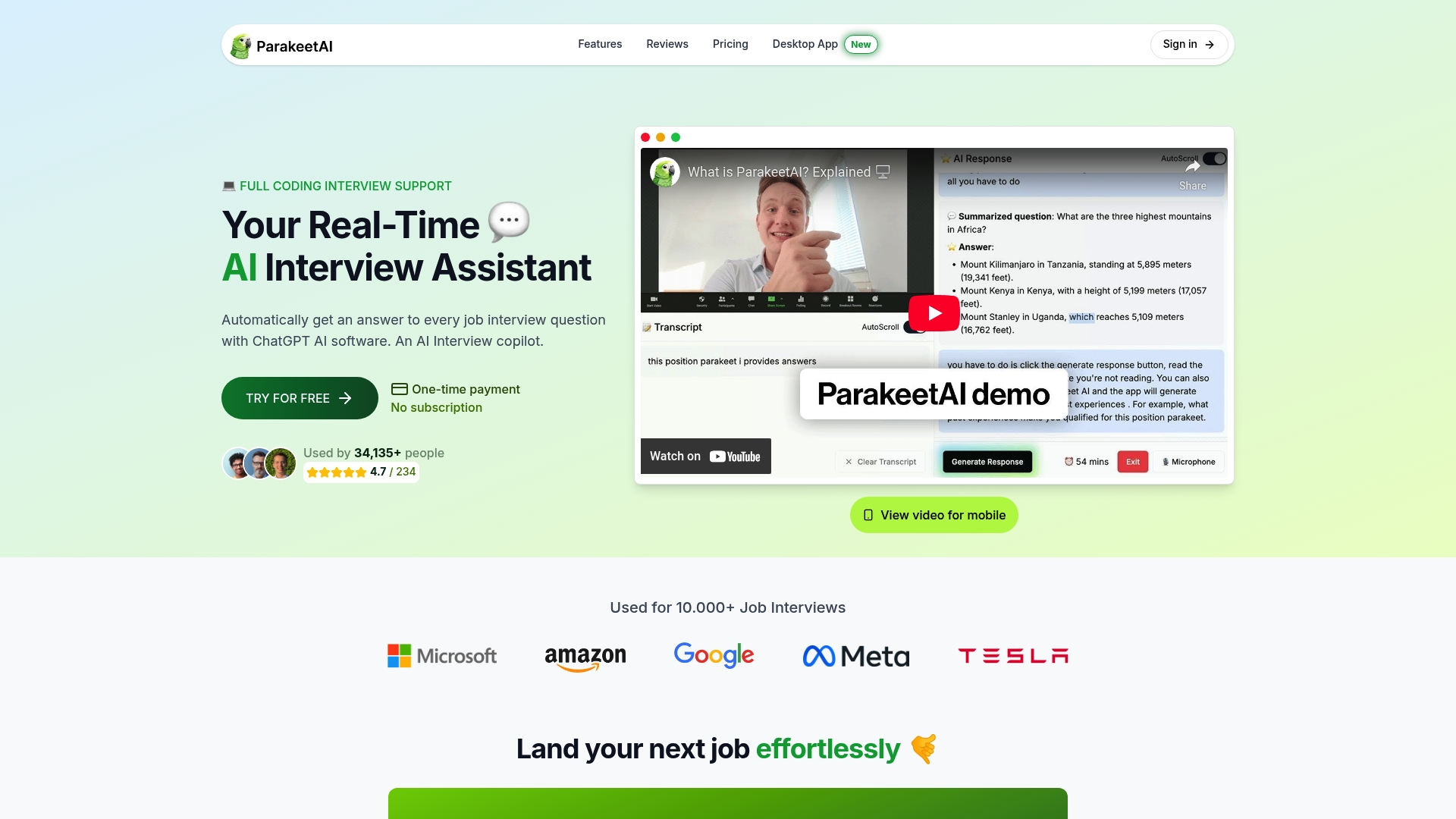
Discover how integrating an intelligent assistant can transform your hiring process. Visit Parakeet AI now to explore our cutting-edge tools that bring transparency and equity into your recruitment efforts. Don’t wait — take the first step towards bias-free interviews and elevate your selection strategy today by checking out our AI interview best practices and learn more about how AI supports fair hiring at Parakeet AI.
Frequently Asked Questions
What is the role of AI in improving interview fairness?
AI enhances interview fairness by minimizing unconscious biases, standardizing candidate assessments, and providing objective evaluations based on predefined criteria rather than personal characteristics.
How do AI interview tools analyze candidates?
AI interview tools employ advanced algorithms to evaluate candidates’ verbal and non-verbal communication, response quality, and linguistic patterns, ensuring a consistent assessment across all interviewees.
What strategies does AI use to ensure objective evaluations in interviews?
AI employs several strategies, including anonymized initial screening, standardized scoring metrics, sentiment neutrality, and consistent question protocols to eliminate demographic influences in candidate evaluations.
What are the legal and ethical considerations when using AI in recruitment?
Organizations must ensure transparency, non-discrimination, data privacy, accountability, and continuous auditing of AI systems to prevent potential biases and comply with anti-discrimination regulations.