Panel Interview Process Guide for Successful Job Results
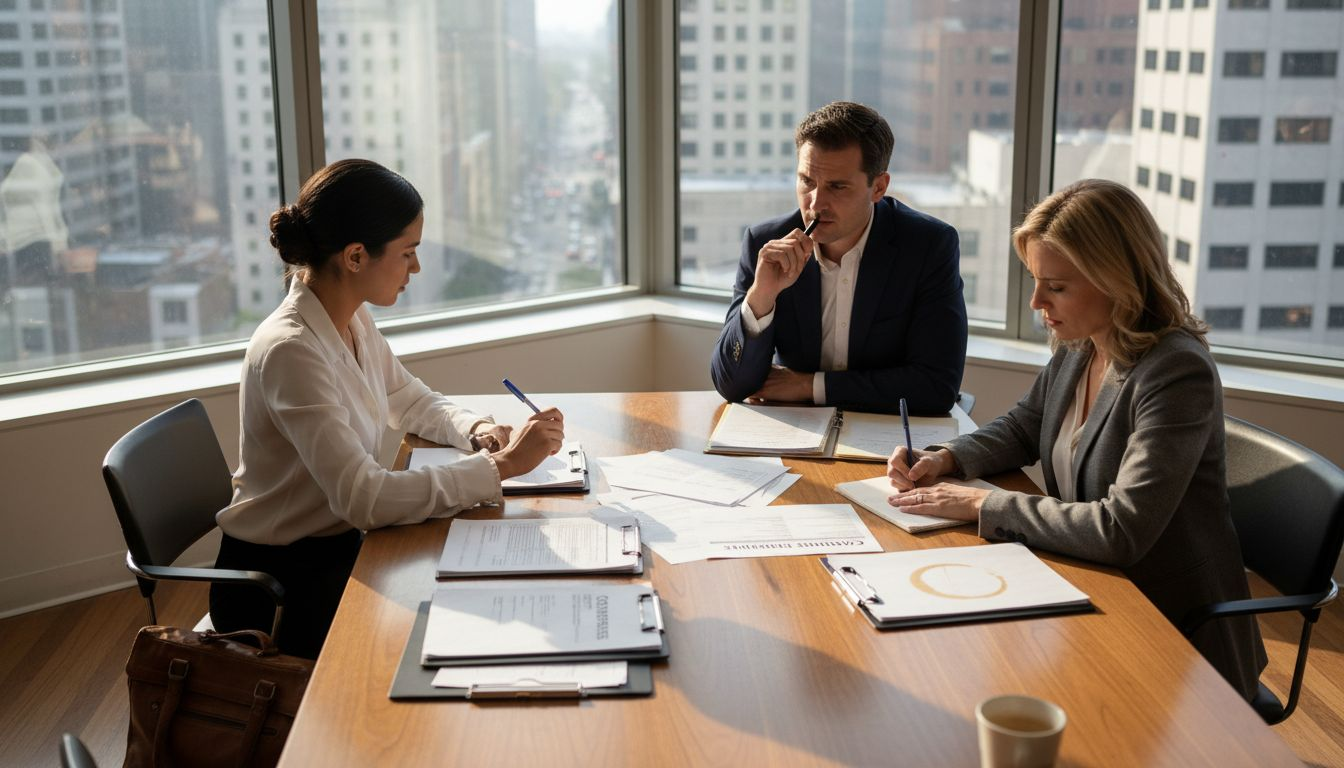
Most American hiring teams report that more than 60 percent of candidates feel anxious before a panel interview. Well planned interview logistics and clear collaboration not only shape the experience but also influence who gets hired. When every minute matters, knowing how to prepare and conduct a smooth panel process makes a real difference for both panel members and applicants.
Table of Contents
- Step 1: Set Up The Interview Logistics
- Step 2: Prepare Targeted Materials And Responses
- Step 3: Coordinate With Panel Members Effectively
- Step 4: Engage And Respond During The Interview
- Step 5: Review And Improve Panel Interview Outcomes
Quick Summary
| Key Insight | Explanation |
|---|---|
| 1. Schedule Thoroughly for Success | Confirm panel availability and allocate sufficient time for each interview to ensure a smooth candidate experience. |
| 2. Prepare Comprehensive Interview Packs | Create packets for panel members containing candidate materials and evaluation tools to facilitate informed decision-making. |
| 3. Utilize the STAR Method | Structure responses using Situation, Task, Action, and Result to effectively illustrate your competencies during the interview. |
| 4. Solicit Constructive Feedback | After the interview, reach out for feedback to gain insights that can improve your future interview performances. |
| 5. Maintain Professional Body Language | Positive nonverbal communication enhances your impression and demonstrates confidence during the interview process. |
Step 1: Set Up the Interview Logistics
Panel interview logistics require strategic planning to create a smooth candidate experience. Preparing a realistic interview schedule involves multiple coordination steps that ensure professionalism and candidate comfort.
Start by confirming the panel members availability and selecting appropriate interview time slots. Block out sufficient time between candidates for panel discussions and paperwork review. This means scheduling 45-60 minute windows with 15-30 minute breaks to allow panel members to confer and complete candidate evaluations. Send official email invitations to candidates at least one week in advance, including precise location details, expected duration, interview format, and any required documentation they should bring.
Create a comprehensive interview packet for each panel member that includes candidate resumes, application materials, evaluation forms, and a standardized interview question guide. Coordinate with panel members to ensure they have adequate time to review candidate materials before the interview day.
Pro Tip: Prepare a backup plan for potential technical issues or last minute candidate cancellations. Have alternate interview slots ready and contact information for all participants to quickly reschedule if unexpected challenges arise.
Here’s a comparison of common interview formats and their impact on candidate experience:
| Format | Preparation Complexity | Candidate Stress Level | Panel Collaboration |
|---|---|---|---|
| One-on-One | Low | Moderate | Minimal |
| Panel Interview | Moderate | High | Extensive |
| Group Interview | Moderate | High | Moderate |
| Sequential Panels | High | Very High | Limited |
Step 2: Prepare Targeted Materials and Responses
Preparing targeted materials and responses is crucial for demonstrating your professional readiness during a panel interview. Researching the department and anticipating potential questions will help you craft compelling narratives that showcase your unique qualifications.
Start by creating a comprehensive portfolio that includes multiple copies of your resume, a professional summary highlighting your key achievements, and specific examples that demonstrate your competencies. Develop a set of response templates for common interview questions, focusing on storytelling techniques that illustrate your problem solving skills, leadership experiences, and professional growth. Practice delivering these responses with concise language and confident body language to ensure you can adapt them naturally during the actual interview.
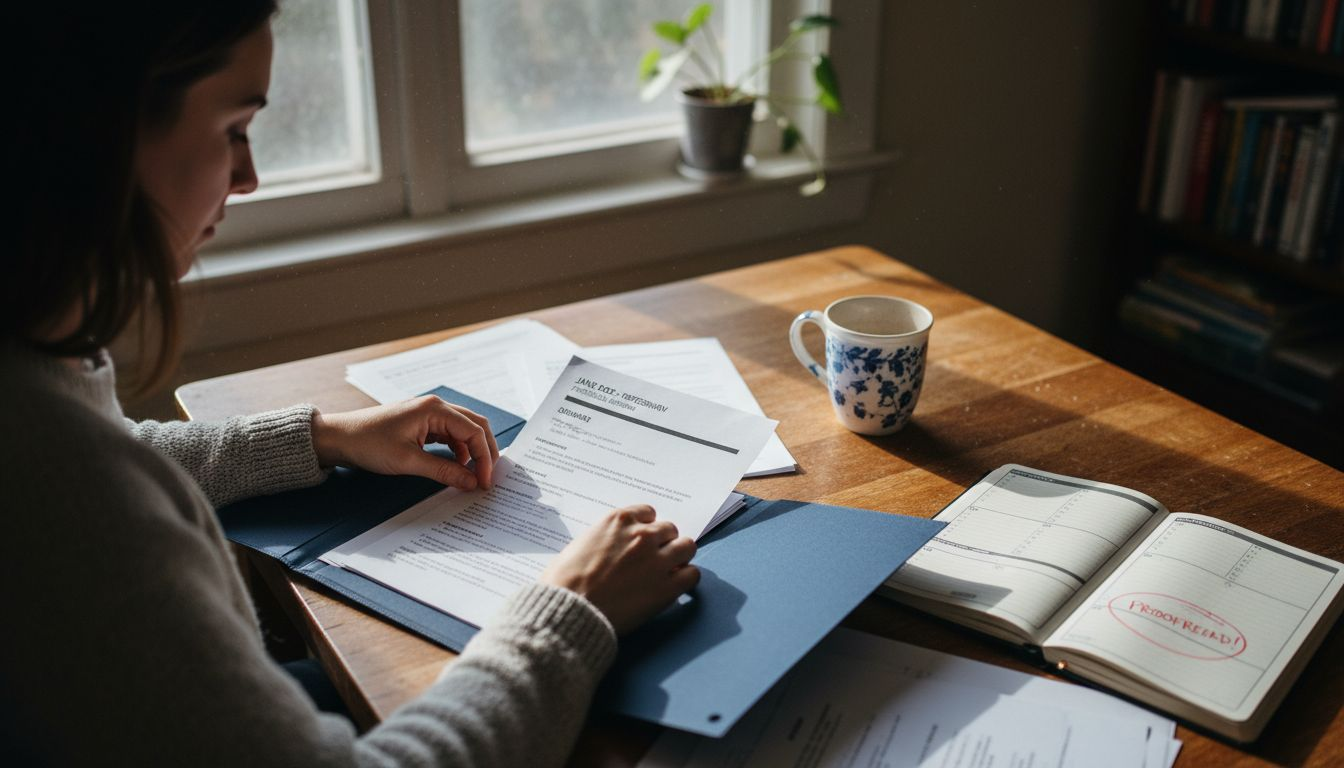
Organize your materials in a professional folder or portfolio, including extra copies of your resume, references, work samples, and any relevant certifications. Prepare a brief introduction that summarizes your professional background and career objectives, allowing you to make a strong first impression when asked to tell the panel about yourself.
Pro Tip: Create a one page summary sheet with key talking points and quantifiable achievements that you can quickly reference during the interview, helping you stay focused and articulate under pressure.
Step 3: Coordinate With Panel Members Effectively
Forming a diverse interview panel of no more than four members requires strategic planning and clear communication. Effective coordination ensures a comprehensive and fair candidate evaluation process that maximizes the collective expertise of your team.
Schedule a pre interview meeting with all panel members to align on evaluation criteria and interview objectives. Distribute candidate materials in advance and establish a standardized scoring system that allows each panel member to independently assess candidates. Create a shared document or spreadsheet where panel members can record individual observations and ratings to facilitate collaborative decision making.
Assign specific roles and responsibilities to each panel member. One person should serve as the primary interviewer who guides the conversation, while others can focus on specific competency areas or ask targeted questions. Ensure everyone understands the importance of maintaining a consistent and professional approach throughout the interview process.
Pro Tip: Send a brief email reminder to panel members 24 hours before the interview with a concise agenda and links to candidate materials to keep everyone prepared and focused.
Below is a summary of key actions and benefits for effective panel coordination:
| Action | Purpose | Benefit |
|---|---|---|
| Pre-meeting with panel | Align criteria and roles | Consistent evaluation |
| Advance distribution of materials | Preparation for discussion | Informed assessments |
| Assigning interview roles | Structure questioning | Balanced perspectives |
| Shared scoring system | Standardize evaluations | Fair candidate review |
Step 4: Engage and Respond During the Interview
Maintaining positive body language and making deliberate eye contact with each panel member sets the foundation for a powerful interview performance. Your nonverbal communication speaks volumes about your confidence and professionalism before you even answer the first question.
Approach each response as an opportunity to showcase your unique skills and experiences. Listen carefully to each question and structure your answers using the STAR method structured around specific Situation, Task, Action, and Result. This approach helps you provide comprehensive yet concise responses that demonstrate your problem solving abilities and professional competence. When responding, rotate your eye contact among panel members to ensure everyone feels engaged and acknowledge each interviewer with thoughtful attention.
Be prepared to ask thoughtful questions that demonstrate your genuine interest in the role and organization. Show intellectual curiosity by referencing recent company achievements or asking about specific team dynamics. Your goal is to transform the interview from a one sided interrogation into a collaborative professional conversation that highlights your potential value to the organization.
Pro Tip: Practice active listening by repeating or paraphrasing complex questions to confirm your understanding and provide precise answers that directly address the panel members inquiry.
Step 5: Review and Improve Panel Interview Outcomes
Reflecting on your interview performance and identifying areas for improvement is crucial for professional growth and future interview success. A strategic post interview analysis helps you understand your strengths and refine your approach for upcoming opportunities.
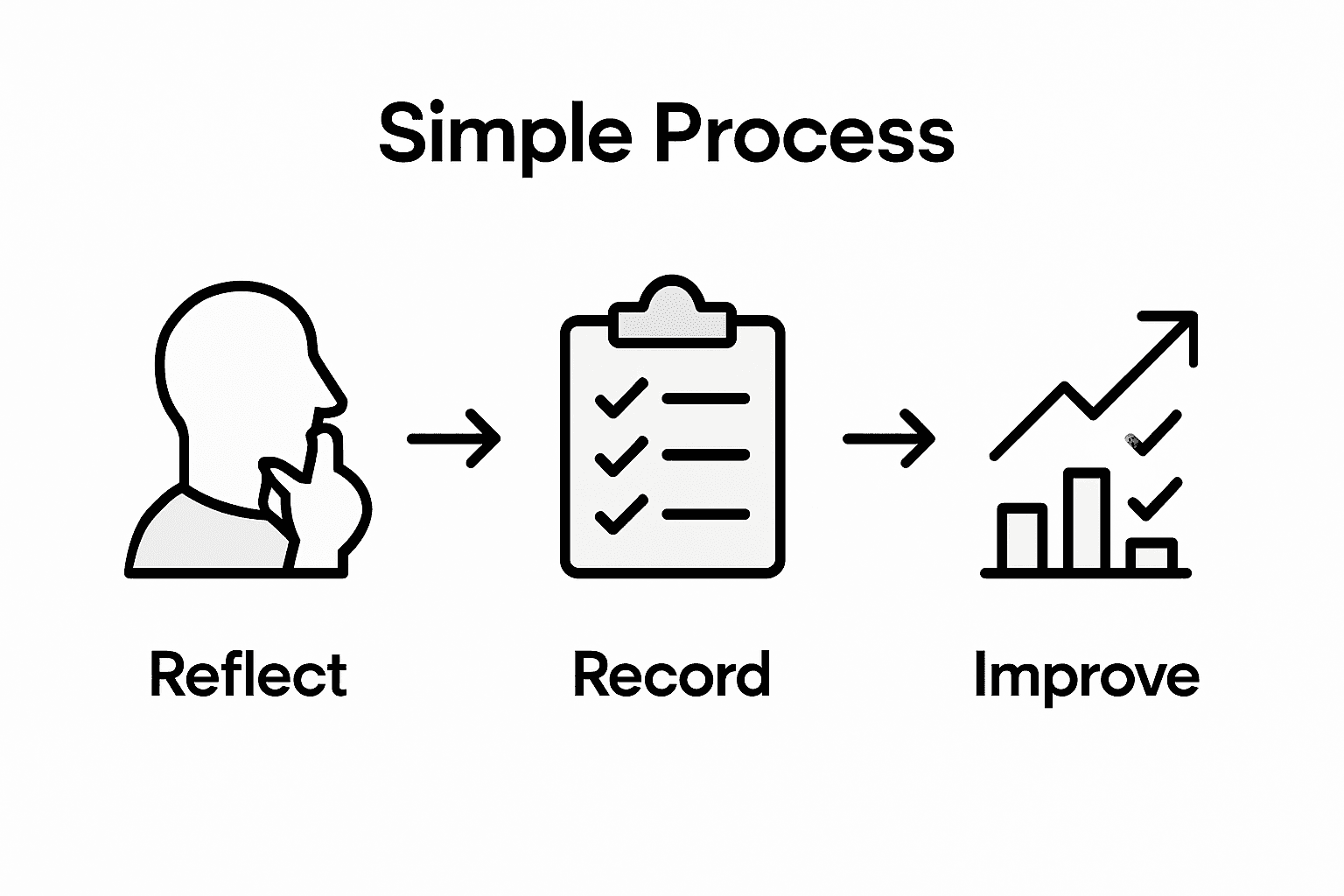
Immediately after the interview draft a comprehensive self assessment document. Document specific questions you felt challenged by and analyze your responses objectively. Note your verbal communication patterns body language and how effectively you articulated your experiences. Consider recording specific moments where you could have provided more compelling examples or demonstrated deeper understanding of the role and organization.
Reach out to the interview panel or recruiting contact to request constructive feedback. Many professionals are hesitant to solicit direct critique but this proactive approach demonstrates your commitment to professional development. Frame your request as an opportunity to understand their perspective and improve your interview skills. Focus on receiving specific actionable insights about your presentation communication style and alignment with the position requirements.
Pro Tip: Create a personal interview performance journal where you systematically track your interview experiences challenges and lessons learned to build a continuous improvement roadmap for your professional career.
Master Your Panel Interviews with Real-Time AI Support
Navigating the complexities of panel interviews can feel overwhelming. From coordinating multiple interviewers and mastering the STAR method to delivering confident responses and managing high candidate stress levels every detail counts. If you want to reduce anxiety, improve your answer quality, and ace every question during your panel interview process guide for successful job results look no further.
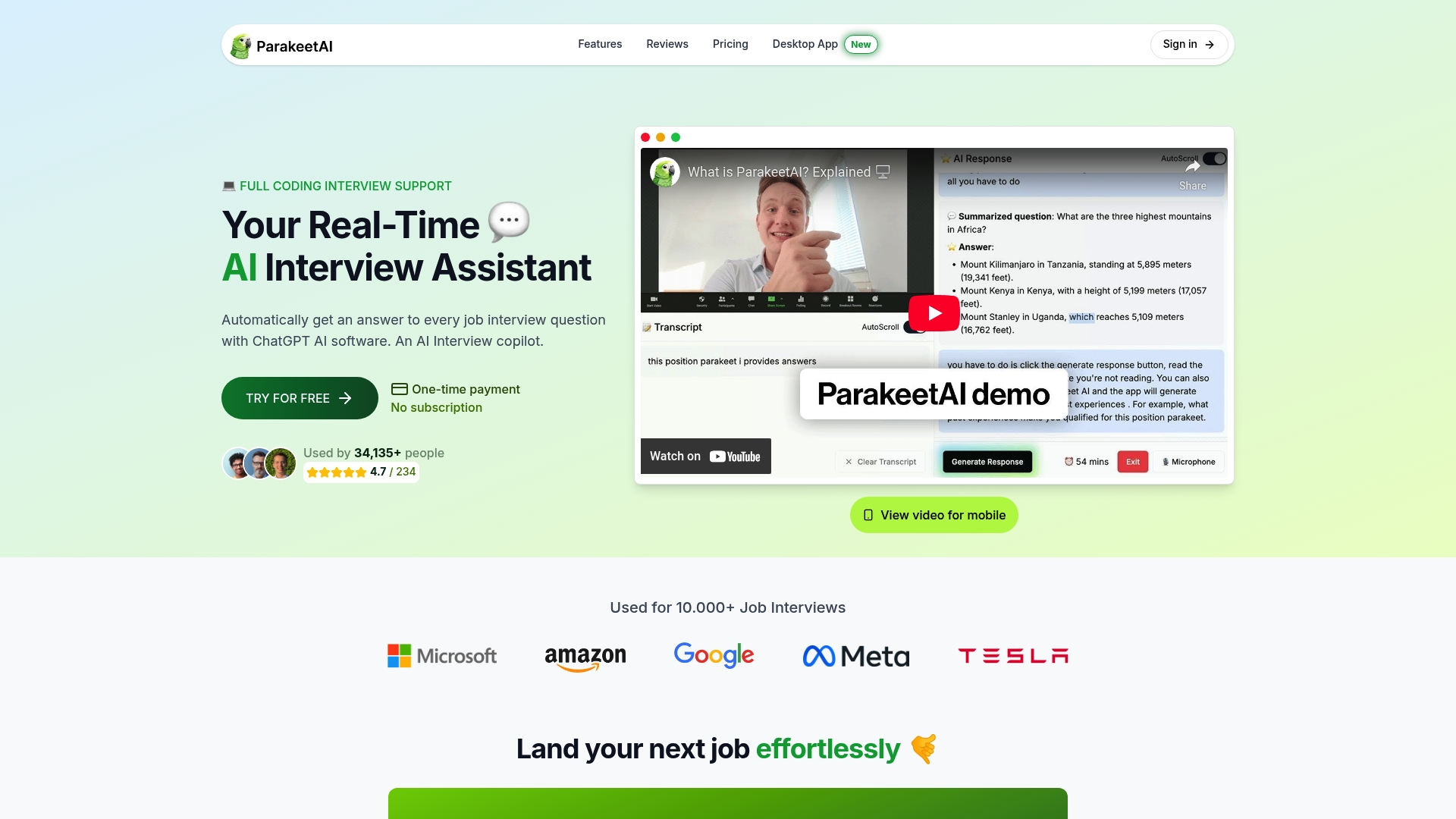
Experience the power of a real-time AI job interview assistant that listens as you speak and provides precise answers tailored to any question instantly. This innovative tool boosts your preparation by helping you practice targeted responses and delivering steady support during actual interviews. Don’t let the pressure of panel coordination, evaluation criteria, or unexpected questions hold you back. Visit Parakeet AI now to transform your interview approach and build unstoppable confidence for your next opportunity. Start refining your skills with this expert interview process guide and elevate your career success today.
Frequently Asked Questions
How should I prepare for a panel interview?
To prepare for a panel interview, create a comprehensive portfolio that includes your resume, professional summary, and examples of your achievements. Organize these materials in a professional folder and practice your responses to common questions using the STAR method.
What should I include in my interview packet for the panel?
Your interview packet should contain candidate resumes, evaluation forms, standardized questions, and any relevant documentation. Distribute these materials to all panel members at least one week in advance to ensure they have time to review them thoroughly.
How do I manage multiple interviews in a panel setting?
Schedule sufficient time between each candidate to hold discussions and review evaluations. Aim for 45-60 minute interviews with 15-30 minute breaks to ensure that panel members can communicate effectively and make informed decisions.
What role does body language play during a panel interview?
Positive body language, including deliberate eye contact with each panel member, conveys confidence and professionalism. Actively engage with all interviewers and practice your nonverbal cues to enhance your overall presentation.
How can I seek feedback after the panel interview?
After the interview, reach out to the panel or recruiting contact to ask for constructive feedback on your performance. Frame your request as an opportunity to learn and improve your skills for future interviews.