
7 Smart Questions to Ask at the End of an Interview

Most professionals underestimate how much asking the right post-interview question can shape their future. Research shows that nearly 60 percent of American job seekers who follow up with strategic questions are viewed as more committed and insightful. In today’s competitive tech and business market, knowing what to ask after your interview can set you apart and help you align your strengths with the company’s real needs. Discover the questions that can transform how employers see you and increase your chances of landing your ideal role.
Table of Contents
- What Does Success Look Like For This Role?
- How Does The Team Measure Performance?
- What Are The Biggest Challenges Facing This Position?
- How Does The Company Support Career Growth?
- What Are The Next Steps In The Hiring Process?
- Can You Tell Me About The Company Culture?
- Is There Anything About My Background You’d Like Me To Clarify?
Quick Summary
| Takeaway | Explanation |
|---|---|
| 1. Understand success metrics. | Asking about success benchmarks demonstrates your commitment to aligning with company goals and exceeding expectations. |
| 2. Clarify performance evaluation methods. | Inquiring about performance measures reveals how to align your contributions and work style with the organization’s standards. |
| 3. Identify potential role challenges. | Discussing challenges shows your strategic thinking and positions you as a problem solver ready to address obstacles. |
| 4. Explore career growth opportunities. | Asking about career development signals your interest in long-term potential and investment in personal growth within the company. |
| 5. Confirm the next steps in hiring. | Understanding the hiring process timeline allows you to manage follow-up communications effectively and shows your eagerness. |
1. What does success look like for this role?
Asking about success in the role demonstrates strategic thinking and shows the interviewer you are genuinely invested in understanding how you can excel. This question helps you align your skills and expectations with the company’s objectives and reveals critical performance benchmarks.
Understanding success means going beyond basic job duties and exploring the deeper impact you can create. By asking this question, you signal to the employer that you are not just seeking a job but aiming to make meaningful contributions. Workplace success involves achieving personal and professional goals that align with the organization’s values.
To prepare for this question, research the role thoroughly and reflect on how your strengths match the position’s requirements. Look closely at the job description and identify key performance indicators. Think about specific achievements from your past work that demonstrate your ability to meet and exceed expectations.
During the interview, listen carefully to how the hiring manager describes success. They might highlight metrics like project completion rates, team collaboration, innovation, or specific skill proficiencies. Your goal is to show how your background and approach align perfectly with their definition of success.
Pro Tip: Before the interview, prepare 2 to 3 concrete examples from your work history that showcase your ability to deliver exceptional results and go beyond standard job expectations.
2. How does the team measure performance?
Discovering how a team evaluates performance reveals critical insights into workplace expectations and provides a roadmap for success during your potential employment. Understanding performance measurement helps you align your work style and contributions with the organization’s specific standards.
Team effectiveness involves assessing both task performance and the quality of social interactions among team members. Performance measurement is not just about quantitative outputs but also about understanding how individual contributions support broader organizational goals.
When asking this question, look for specific indicators like key performance indicators (KPIs), project completion rates, quality metrics, and collaborative effectiveness. Some teams might emphasize individual achievements while others prioritize team based outcomes. Pay attention to the nuances of their performance evaluation approach.
Some organizations use comprehensive performance management systems that include regular feedback sessions, quarterly reviews, and annual assessments. Others might have more dynamic approaches that focus on real time project achievements and adaptability. Your goal is to understand their specific framework and demonstrate how you can excel within their measurement system.
Pro Tip: Before the interview, prepare specific examples from your work history that showcase your ability to meet and exceed performance metrics in previous roles.
3. What are the biggest challenges facing this position?
Asking about position challenges demonstrates your strategic thinking and genuine interest in understanding the role beyond surface level job responsibilities. This question reveals potential obstacles and shows the interviewer you are proactively seeking to understand the full landscape of the job.
Recent workplace research indicates that contemporary roles face complex challenges including managing hybrid workforces, addressing compensation pressures, and navigating rapidly evolving business environments. Understanding these challenges helps you position yourself as a problem solver who can adapt and contribute effectively.
When exploring potential challenges, listen carefully to the interviewer’s response. They might discuss technical obstacles, team dynamics, resource limitations, or strategic hurdles specific to the role. Pay attention to both explicit challenges they mention and the underlying tone that suggests deeper organizational complexities.
Effective challenge exploration involves more than just hearing problems. It requires demonstrating how your skills, experience, and approach can help mitigate or solve these challenges. Prepare to share specific examples from your past where you successfully navigated similar workplace obstacles.
Pro Tip: Frame your understanding of challenges as opportunities for growth and innovation, showing the interviewer you view potential obstacles as chances to add value to the organization.
4. How does the company support career growth?
Asking about career growth shows you are ambitious, forward thinking, and interested in long term potential with the organization. This question demonstrates your commitment to professional development and desire to contribute meaningfully beyond the immediate role.
Career growth involves personal and professional advancement opportunities that align individual goals with organizational needs. Understanding a company’s approach to career development can reveal critical insights into their workplace culture and investment in employee potential.
Look for specific indicators of career support such as structured mentorship programs, internal training initiatives, cross department mobility, and clear advancement pathways. Some organizations offer formal learning resources like online courses, conference attendance, certification reimbursement, or leadership development tracks.
Qualified employers recognize that robust career growth opportunities are essential for attracting and retaining top talent. By asking this question, you signal that you are a strategic professional who views the role as part of a larger career journey rather than just a temporary position.
Pro Tip: Listen carefully to the specific language and examples the interviewer uses when discussing career growth to understand the organization’s true commitment to employee development.
5. What are the next steps in the hiring process?
Asking about next steps demonstrates your genuine interest in the position and shows professional eagerness to understand the timeline for potential employment. This strategic question helps you gain clarity about the hiring process and sets appropriate expectations for follow up.
Recruitment processes typically involve multiple stages designed to carefully evaluate candidates and contribute to long term business success. Understanding these steps allows you to plan accordingly and maintain appropriate communication momentum.
When discussing next steps, pay attention to specific details such as anticipated timelines for additional interviews, potential assessment requirements, background check procedures, or expected decision making periods. Some organizations might have complex multi stage interviews while others move more quickly.
The interviewer’s response will provide insights into the organization’s hiring approach. They might outline specific checkpoints like second round interviews, panel discussions, skills assessments, or reference checks. Your attentive listening demonstrates professionalism and genuine engagement with the potential opportunity.
Pro Tip: Request a specific timeline and preferred communication method for following up, showing your proactive approach while respecting professional boundaries.
6. Can you tell me about the company culture?
Asking about company culture reveals your desire to understand the workplace environment beyond surface level job responsibilities. This question demonstrates your commitment to finding a meaningful professional home where you can thrive and contribute effectively.
Corporate culture represents the lived values and behaviors that drive employee engagement and business success. Understanding these dynamics helps you assess whether the organization aligns with your professional goals and personal working style.
When exploring company culture, listen for specific indicators such as communication styles, collaboration approaches, professional development opportunities, team dynamics, and core organizational values. Pay attention not just to the words used but the underlying tone and energy of the interviewer’s response.
Effective culture exploration involves asking nuanced questions about how teams interact, how success is celebrated, how challenges are addressed, and what leadership prioritizes. Look for concrete examples that illustrate the organization’s commitment to its stated values and workplace principles.
Pro Tip: Request specific stories or examples that demonstrate the company’s culture in action, which will provide more authentic insights than generic descriptions.
7. Is there anything about my background you’d like me to clarify?
This strategic question transforms the interview’s final moments into an opportunity for proactive communication and potential clarification of any perceived gaps or uncertainties about your qualifications. It demonstrates confidence, transparency, and a commitment to ensuring the interviewer fully understands your professional potential.
Understanding your rights and approach when discussing background information is critical during the hiring process. This open ended inquiry allows you to address potential misunderstandings, elaborate on complex career transitions, or highlight achievements that might not have been fully explored during the interview.
Prepare potential clarifications in advance by anticipating potential questions about resume gaps, career shifts, or experiences that might seem unconventional. Think about moments in your professional journey that could benefit from additional context or explanation. Your goal is to provide clear, concise information that reinforces your candidacy.
Listen carefully to the interviewer’s tone and body language when asking this question. Their response might reveal areas where they want more information or seem uncertain about your qualifications. This is your final chance to shape their perception and address any lingering doubts.
Pro Tip: Prepare a brief but compelling narrative about your background that connects your past experiences to the current role, focusing on skills and perspectives that make you uniquely qualified.
Below is a comprehensive table summarizing suggested questions to ask in a job interview and their significance as per the provided article.
| Question | Purpose | Key Takeaways |
|---|---|---|
| What does success look like for this role? | Demonstrates strategic thinking and sets expectations. | Understand key performance benchmarks and align your skills with company objectives. |
| How does the team measure performance? | Gathers insights into team expectations and standards. | Learn about key performance indicators and the importance of collaboration and qualitative metrics in the evaluation process. |
| What are the biggest challenges facing this position? | Understands potential role-specific obstacles. | Shows problem-solving ability and adaptability; positions challenges as opportunities for growth and contribution. |
| How does the company support career growth? | Displays ambition and interest in long-term professional development. | Understand the organization’s career development opportunities and workplace culture, signaling a desire for meaningful career progress. |
| What are the next steps in the hiring process? | Clarifies the recruitment timeline and sets follow-up expectations. | Signals professional interest in the position and helps align with organizational actions following the interview. |
| Can you tell me about the company culture? | Assesses alignment with personal and professional values. | Gathers detailed information about teamwork, organizational values, and leadership principles to ensure alignment with personal workplace preferences. |
| Is there anything about my background you’d like me to clarify? | Provides an opportunity to address potential concerns or gaps in qualifications. | Allows for emphasizing professional potential and clearing any misunderstandings to positively shape the interviewer’s perception. |
Master Your Interview with Real-Time AI Support
Preparing the right questions demonstrates strategic thinking but having instant, smart answers ready can set you apart from other candidates. The article highlights challenges like understanding success metrics, performance evaluations, and company culture. These complex aspects can feel overwhelming during an interview but gaining clarity is key to showcasing your fit and confidence. That is where a real-time AI assistant like Parakeet AI becomes invaluable.
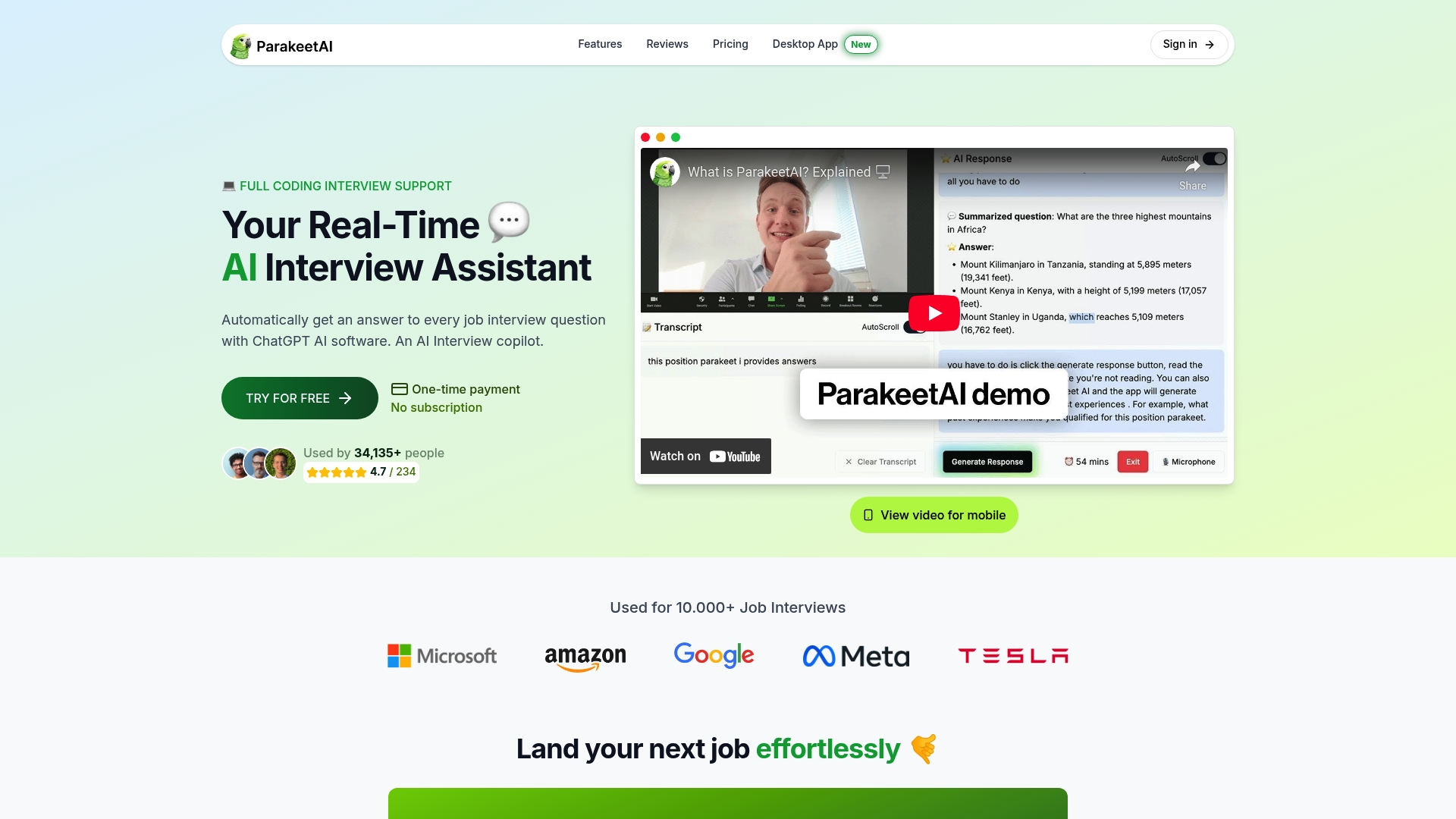
Boost your interview confidence by using an AI tool that listens and provides precise, thoughtful responses exactly when you need them. Don’t leave your success to chance. Visit Parakeet AI today to experience a smarter way to navigate tricky interview moments and advance your career with ease.
Frequently Asked Questions
What questions should I consider asking at the end of an interview?
Asking insightful questions can demonstrate your understanding of the role and the company. Consider asking about success metrics for the position, team performance measurement, or challenges the role may face.
How do I determine what success looks like in the role?
You can clarify success expectations by asking the interviewer directly about specific performance benchmarks. Be prepared to align your skills with their description to show you’re focused on contributing positively to the team’s goals.
What should I focus on when asking about the company’s culture?
To understand the company culture, inquire about team dynamics and the values that drive employee engagement. Look for concrete examples of how those values are practiced in daily operations, which can help you assess if it’s the right fit for you.
How can I gauge the potential for career growth within the company?
You can ask interviewers about career development opportunities and mentorship programs they offer. Listen carefully for specifics on advancement pathways to better understand how your future could evolve within the organization.
Why is it important to ask about the challenges of the position?
Inquiring about the challenges helps you comprehend the complexities of the role and shows that you are proactive in seeking solutions. This insight allows you to frame your strengths as potential solutions to those challenges.
What information should I clarify about my background during the interview?
You should offer to clarify any gaps or unique aspects of your experience that might raise questions. Prepare to provide context or examples that reinforce your qualifications, ensuring the interviewer understands your potential contributions.