Master First Job Interview Steps for Success

Every American job seeker knows the pressure of preparing for interviews can feel intense. A clean setup can make or break your first impression and subtle details often decide who stands out. In fact, interviewers form conclusions within the first few minutes, with over 70 percent saying environment and confidence speak louder than words. Mastering each phase from setup to follow up can help you boost your chances in an increasingly competitive hiring process.
Table of Contents
- Step 1: Set Up Your Interview Environment
- Step 2: Research the Company and Role
- Step 3: Practice Common Interview Questions
- Step 4: Use AI Tools for Real-Time Interview Support
- Step 5: Verify Performance and Follow Up
Quick Summary
| Key Insight | Explanation |
|---|---|
| 1. Choose a Professional Environment | Select a clutter-free and well-lit area for your interview to convey professionalism and preparedness effectively. |
| 2. Conduct In-Depth Company Research | Research the company’s mission, values, and recent developments to align your skills with their needs during the interview. |
| 3. Practice Common Interview Questions | Anticipate typical questions and formulate clear, concise responses to boost your confidence and communication skills. |
| 4. Utilize AI Tools for Preparation | Leverage AI-driven resources for real-time feedback and improvement suggestions, enhancing your interview delivery and presence. |
| 5. Follow Up Professionally After Interviews | Send a personalized thank-you email within 24 hours and maintain organized communication for future follow-up opportunities. |
Step 1: Set Up Your Interview Environment
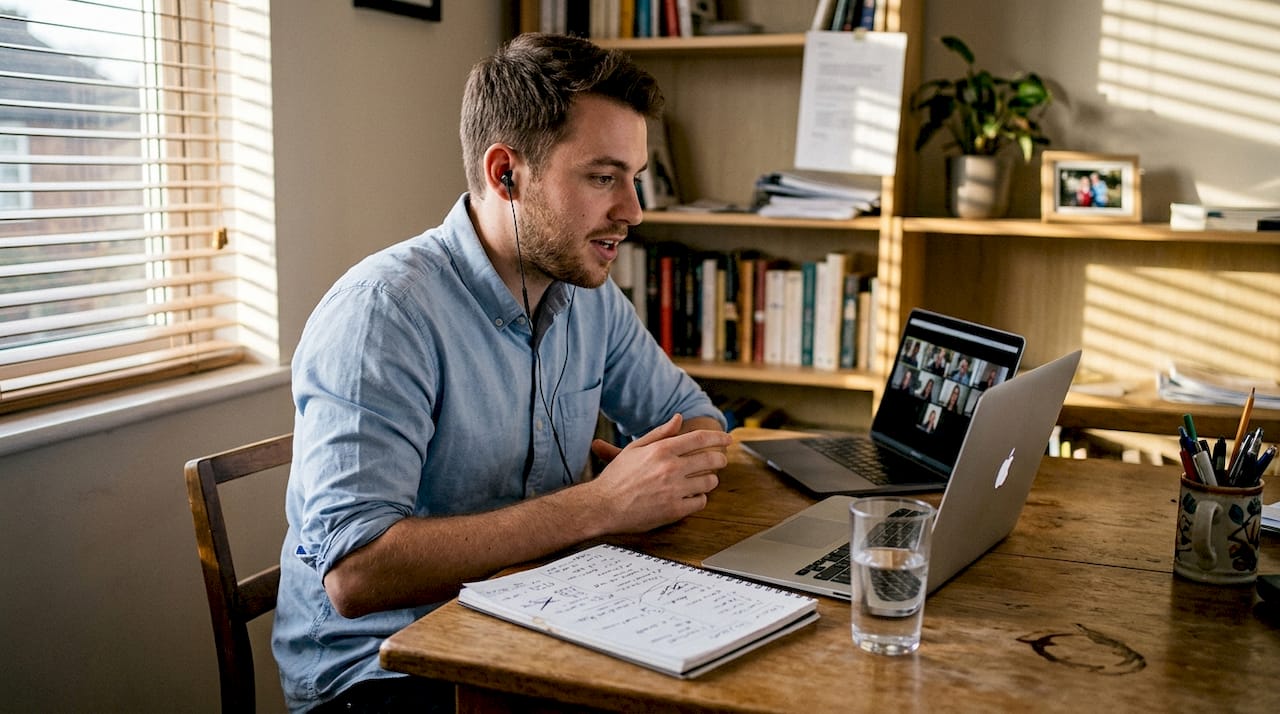
Preparing a professional interview environment is crucial for making an excellent first impression and showcasing your communication skills. Your physical setup communicates volumes about your preparedness and professionalism before you even speak a word.
Start by selecting a quiet and well-lit space that demonstrates your attention to detail. Choose a neutral background wall or a clean, organized area that looks professional. Position yourself facing a window or soft lighting to ensure your face is clearly visible. Test your technology beforehand by checking your internet connection, webcam, and microphone to prevent last-minute technical issues.
Ensure your background is clutter-free and professional. Remove personal items that might distract the interviewer and select a neutral color palette for your backdrop. If possible, use a plain wall or a bookshelf with minimal items. Position your camera at eye level to create a direct, engaging connection. Adjust your chair and camera so you appear centered and comfortable, with enough space to gesture naturally.
Pro tip: Do a complete tech and environment rehearsal 24 hours before your interview, recording a short video to review your setup and make necessary adjustments.
Here’s a summary of key elements for creating a professional interview environment:
| Element | Why It Matters | How to Optimize |
|---|---|---|
| Lighting | Ensures clear visibility | Use natural or soft light |
| Background | Reflects professionalism | Neutral, clutter-free area |
| Camera Placement | Engages interviewer | Eye-level, centered view |
| Noise Control | Reduces distractions | Choose a quiet location |
| Technology Check | Prevents disruptions | Test all devices in advance |
Step 2: Research the Company and Role
Comprehensive company research transforms you from an average candidate into a standout applicant who demonstrates genuine interest and strategic thinking. Your goal is to gather actionable insights that will help you connect your skills directly to the organization’s needs.
Begin by exploring the company through a comprehensive research approach that goes beyond surface level information. Visit the company’s official website to understand their mission, core values, recent achievements, and organizational structure. Dig into their social media profiles, LinkedIn company page, and recent news articles to gain current insights into their business developments, challenges, and strategic direction. Pay special attention to the specific role you are applying for, analyzing the job description to identify key skills and requirements that match your professional background.
Utilize multiple research channels to build a comprehensive understanding. Review the company’s annual reports, press releases, and industry publications to grasp their market position and growth trajectory. Check professional networking sites to understand employee experiences and explore the backgrounds of potential team members or the hiring manager. Connect the dots between the company’s goals and your professional capabilities, preparing specific examples that demonstrate how your skills align with their organizational needs.
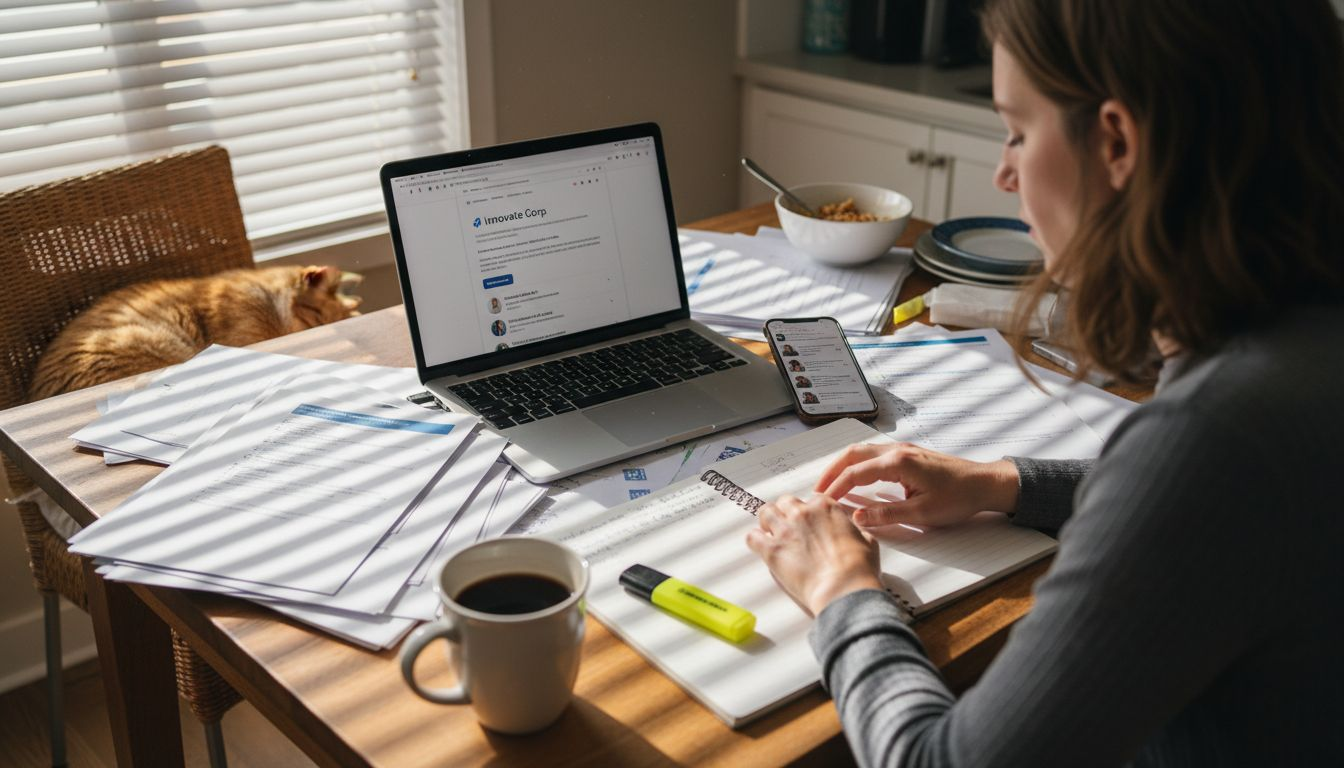
Pro tip: Create a one-page research summary highlighting the company’s key achievements, challenges, and strategic goals to serve as a quick reference during interview preparation.
Step 3: Practice Common Interview Questions
Successful interview preparation requires strategic practice of anticipated questions and thoughtful response development. Your goal is to transform potential interview anxiety into confident communication that highlights your professional capabilities.
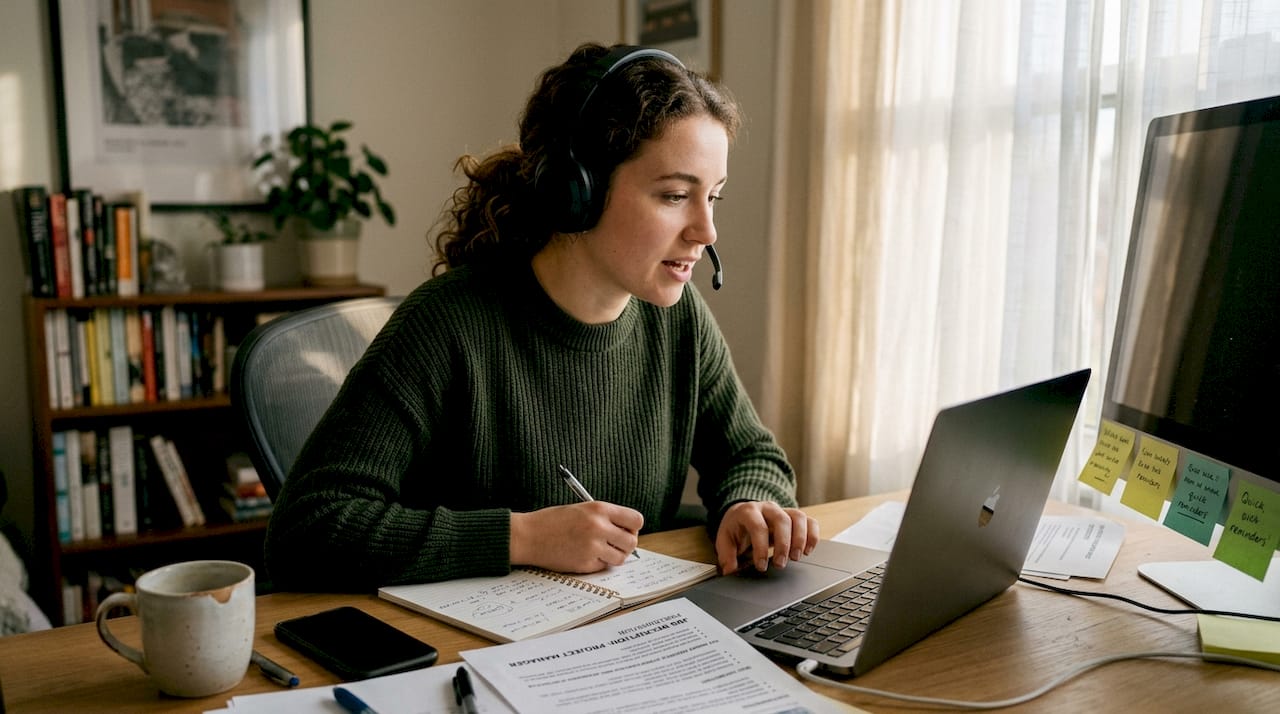
Develop a comprehensive interview preparation strategy by systematically researching and practicing typical interview questions. Begin with fundamental questions like ‘Tell me about yourself’ and ‘What are your greatest strengths and weaknesses?’ Craft detailed yet concise responses that connect your personal experiences directly to the job requirements. Use the STAR method (Situation Task Action Result) to structure behavioral answers that provide concrete examples of your professional skills and problem solving abilities.
Simulate realistic interview scenarios through multiple practice techniques. Conduct mock interviews with friends, family members, or career mentors who can provide honest feedback on your delivery, body language, and content. Record yourself answering questions to analyze your communication style objectively. Focus on maintaining a balanced tone that demonstrates professionalism while allowing your authentic personality to shine through. Practice speaking clearly, maintaining eye contact, and delivering responses with confidence and enthusiasm.
Pro tip: Create a cheat sheet of key talking points and practice answers without memorizing them verbatim to maintain a natural conversational flow during the actual interview.
Step 4: Use AI Tools for Real-Time Interview Support
Unleashing the power of artificial intelligence can transform your interview preparation and performance, giving you a competitive edge in today’s dynamic job market. By leveraging advanced AI technologies, you can gain unprecedented insights and support throughout your interview process.
Utilize AI driven skill recommendation systems to identify and articulate the most relevant professional capabilities for your target role. These intelligent tools analyze job descriptions and match your skills with precise terminology and context specific language that resonates with potential employers. Explore AI powered interview assistants that can provide real time feedback on your responses, helping you refine your communication style, detect potential areas of improvement, and build confidence in your interview delivery.
Implement AI tools strategically to enhance your interview preparation. Look for platforms that offer features like speech analysis, response optimization, and personalized coaching. These technologies can simulate interview scenarios, provide instant feedback on your tone, pacing, and content, and help you practice answering challenging questions with greater precision. Remember that AI tools are meant to supplement your preparation not replace your authentic self prepare to blend technological insights with your unique professional narrative.
Pro tip: Always review and personalize AI generated suggestions to ensure they reflect your genuine voice and professional experience.
Compare traditional interview prep with AI-enhanced preparation:
| Approach | Key Strength | Possible Limitation |
|---|---|---|
| Traditional (human-only) | Natural, personal responses | Limited objective feedback |
| AI-enhanced preparation | Instant feedback, analytics | May lack human nuance |
Step 5: Verify Performance and Follow Up
The final stage of your interview process is critically important for solidifying the positive impression you have created and maintaining professional momentum. Your goal is to demonstrate professionalism, gratitude, and continued interest in the position.
Prepare meticulously for your post interview actions by immediately sending a thoughtful thank you email within 24 hours of your interview. Craft a personalized message that references specific conversation points, reiterates your enthusiasm for the role, and highlights how your skills align with the company’s needs. Reference key discussion topics or insights shared during the interview to demonstrate your attentiveness and genuine interest.
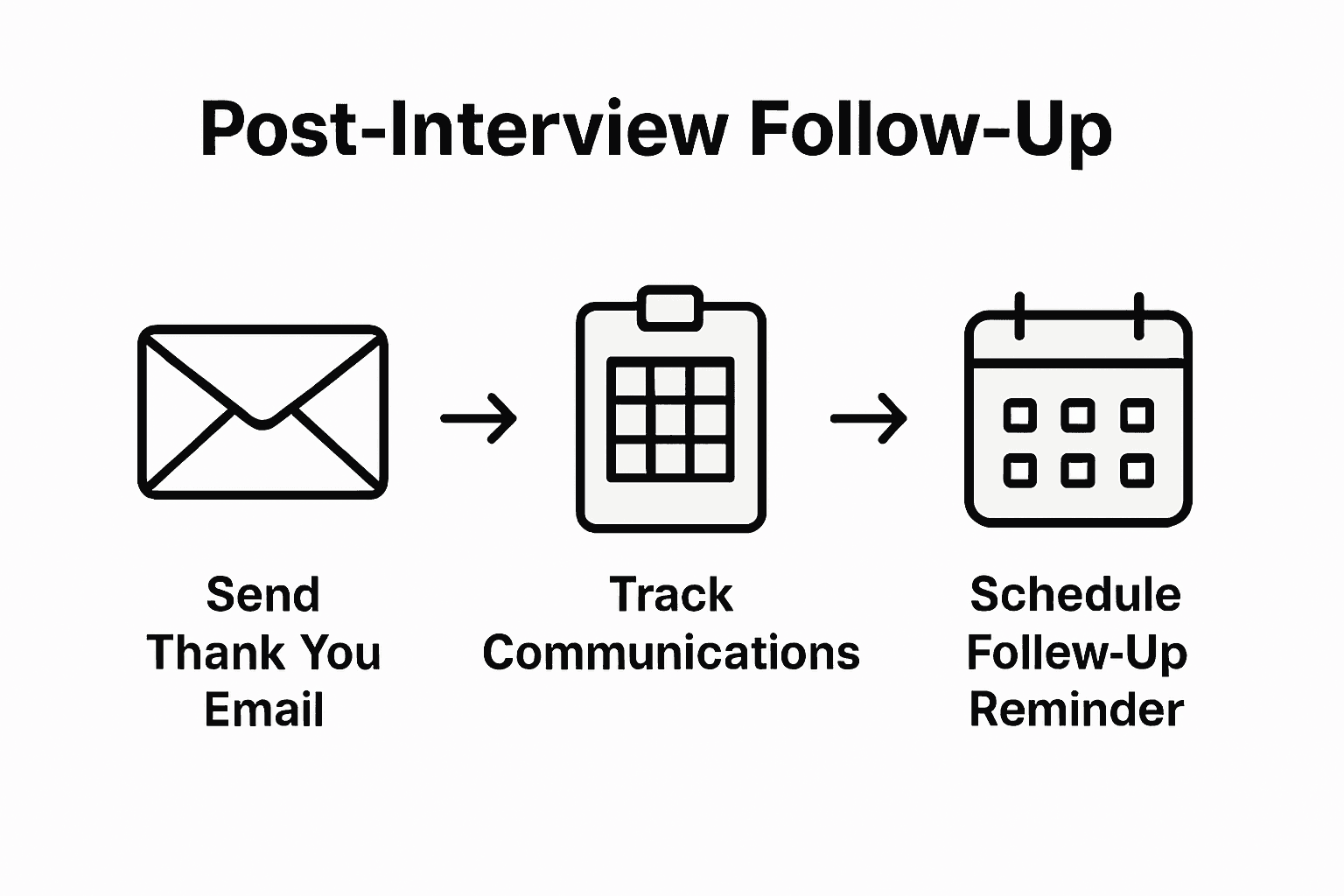
Develop a strategic follow up approach that balances professional persistence with respectful communication. If you have not received a response within the timeline discussed during the interview, send a polite email inquiring about the next steps in the selection process. Be patient and professional, avoiding aggressive or desperate language. Use this opportunity to reiterate your continued interest in the position and your commitment to contributing to the organization’s goals. Keep track of your applications, interview dates, and follow up communications in a structured manner to maintain clear and organized professional communication.
Pro tip: Create a follow up tracking spreadsheet to monitor interview dates, contact information, and communication timelines to ensure you never miss an important follow up opportunity.
Elevate Your Interview Skills with AI-Powered Support
Mastering first job interview steps can be challenging because you need to present your skills confidently while adapting to each question in real time. This article highlights struggles like practicing common answers and ensuring your responses align perfectly with the company’s needs. It also stresses the importance of using AI tools for real-time feedback and refining your communication style.
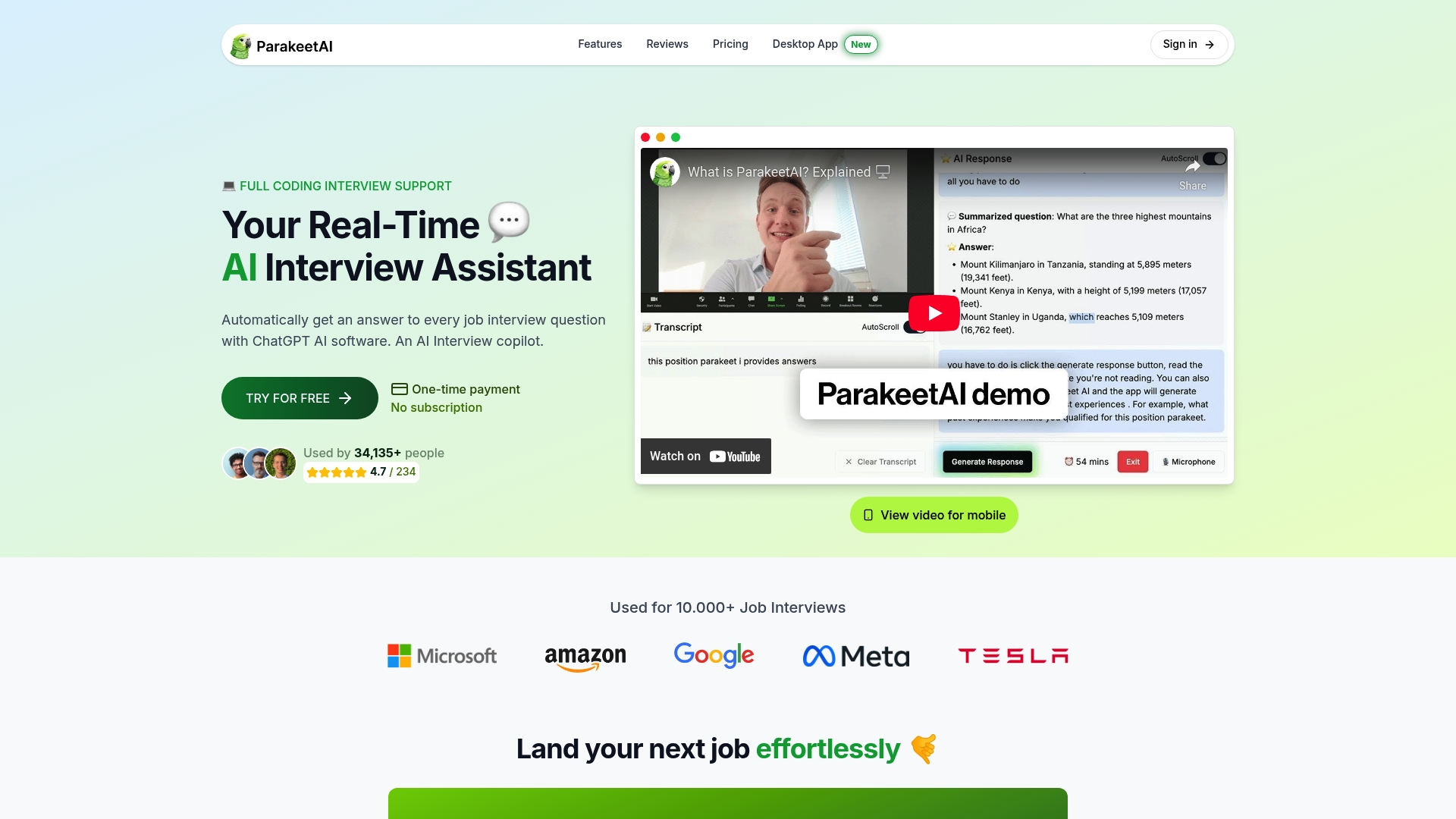
Take control of your interview success with a real-time AI job interview assistant from Parakeet AI. This innovative tool listens to your interview and instantly generates smart answers tailored to every question. Stay calm and focused knowing you have instant support that complements your preparation by helping you articulate your strengths clearly and naturally. Act now to gain that critical edge and confidently demonstrate your professional capabilities during any interview. Visit Parakeet AI to start transforming your interview experience today.
Frequently Asked Questions
How can I create a professional interview environment?
To create a professional interview environment, choose a quiet, well-lit space with a neutral background that is clutter-free. Test your technology beforehand, including your internet connection, webcam, and microphone, to ensure everything works smoothly during the interview.
What should I research about the company before my interview?
Before your interview, research the company’s mission, core values, recent achievements, and challenges. Analyze the job description to identify key skills needed and connect them with your own experiences to demonstrate your fit for the role.
What common interview questions should I prepare for?
You should prepare for common interview questions such as ‘Tell me about yourself’ and ‘What are your greatest strengths and weaknesses?’ Use the STAR method to structure your answers with specific examples that showcase your professional skills.
How can I use AI tools to improve my interview performance?
Utilize AI tools to gain real-time feedback on your interview responses, helping you refine your communication style. Look for platforms that provide speech analysis and personalized coaching to practice answering challenging questions effectively.
What should I include in my post-interview thank you email?
In your post-interview thank you email, include specific points from the conversation that resonated with you, express your enthusiasm for the role, and reiterate how your skills align with the company’s needs. Send this email within 24 hours of your interview to maintain a strong professional impression.
How can I keep track of my interview follow-ups?
Create a follow-up tracking spreadsheet to monitor your interview dates, contact information, and communication timelines. This organized approach will help you remember to send follow-up emails and inquiries about next steps in the selection process.