Virtual Interview Checklist for Stress-Free Success
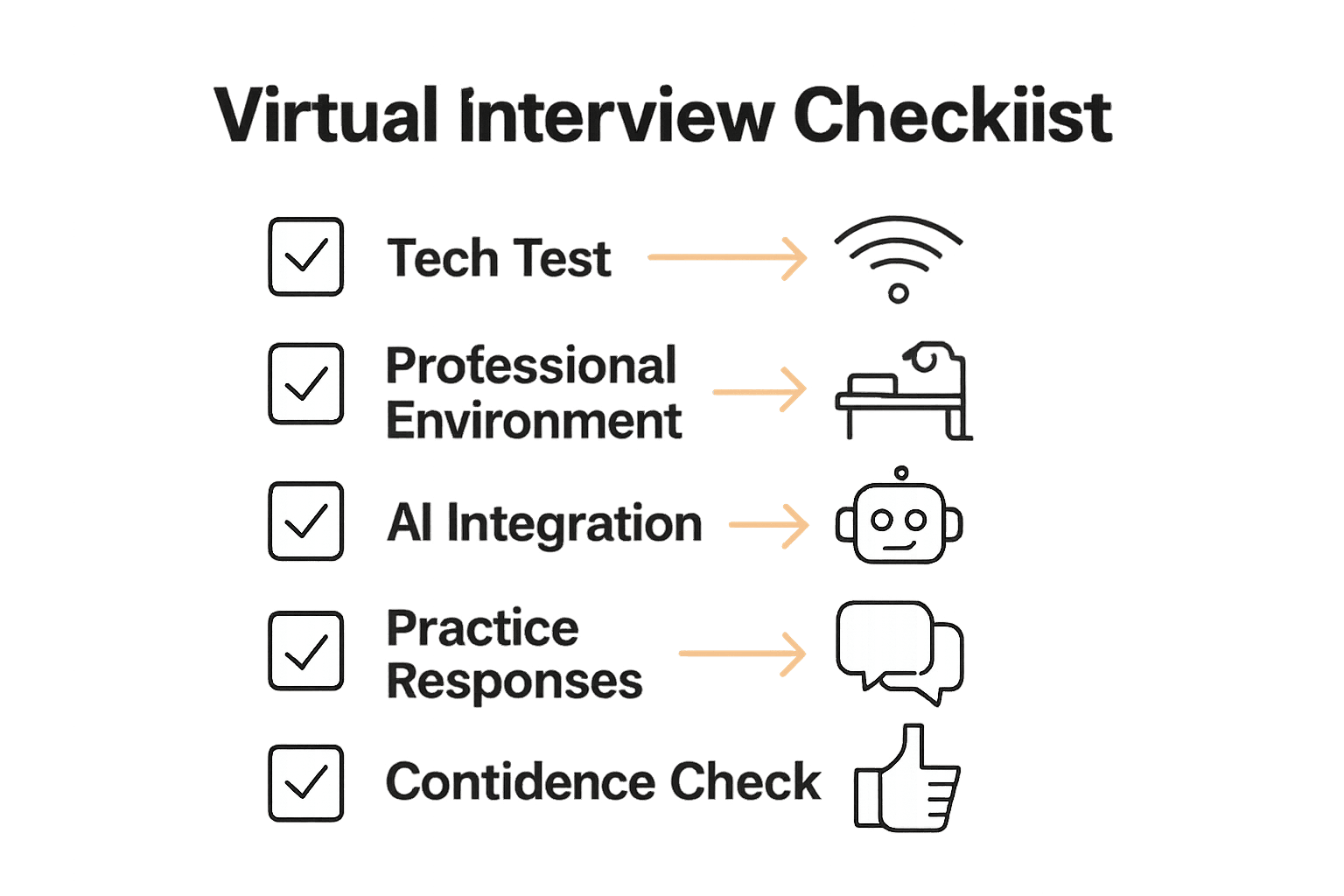
Nearly half of job seekers experience unexpected tech issues during virtual interviews, which can leave a lasting impression before the first question is even asked. In a digital world where first impressions often happen on screen, your setup and preparation can make or break your chances. With the right tools and practice, you can eliminate technical hiccups, project confidence, and show employers your best self from the very start.
Table of Contents
- Step 1: Set Up Your Interview Technology
- Step 2: Prepare Your Professional Environment
- Step 3: Test Ai Job Interview Assistant Integration
- Step 4: Practice Real-Time Responses With Ai Support
- Step 5: Verify Interview Readiness And Confidence
Quick Summary
| Key Point | Explanation |
|---|---|
| 1. Test your technology in advance | Verify internet speed, video conferencing platforms, and equipment functionality at least 24 hours before your interview. |
| 2. Create a professional interview environment | Select a quiet space with good lighting, a clean backdrop, and a comfortable chair to enhance your appearance. |
| 3. Utilize AI interview assistants | Use AI tools to simulate interviews, providing tailored feedback on your answers and communication style for improvement. |
| 4. Practice with real-time feedback | Engage with AI systems for realistic dialog practice, focusing on verbal delivery and clarity while receiving instant feedback. |
| 5. Conduct mock interviews for confidence | Record practice sessions with peers to evaluate performance and refine response skills, ensuring readiness for the interview. |
Step 1: Set Up Your Interview Technology
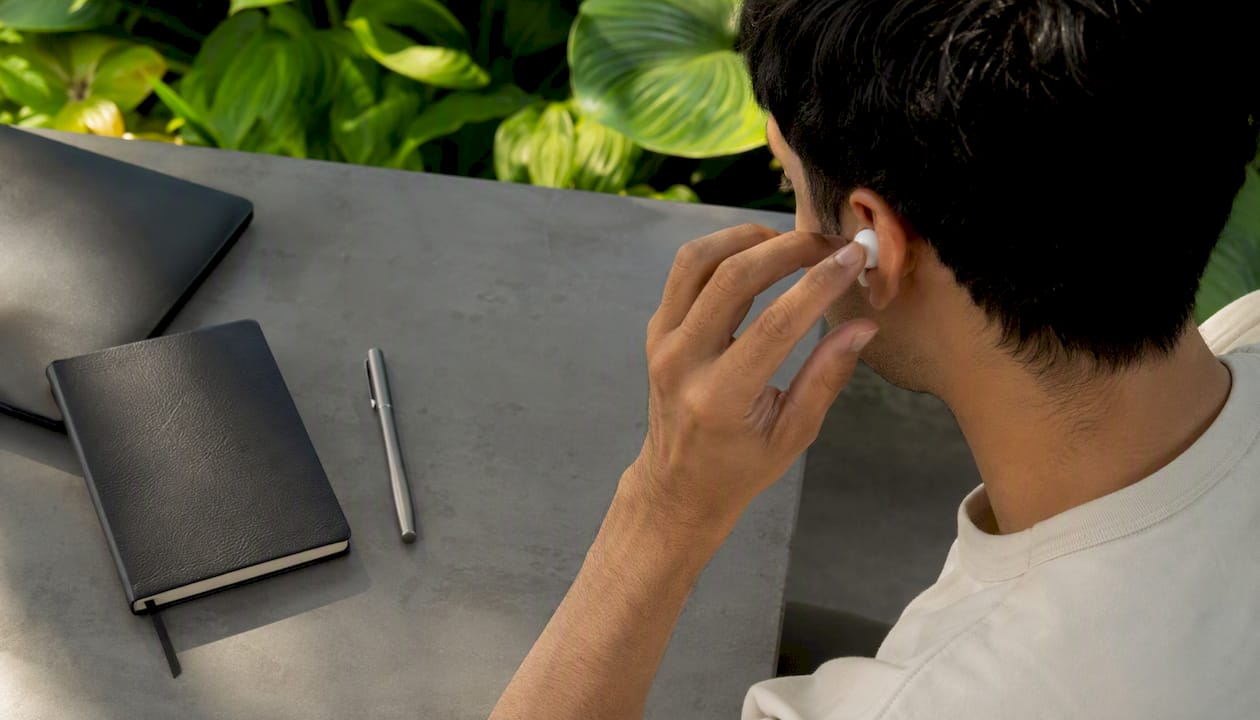
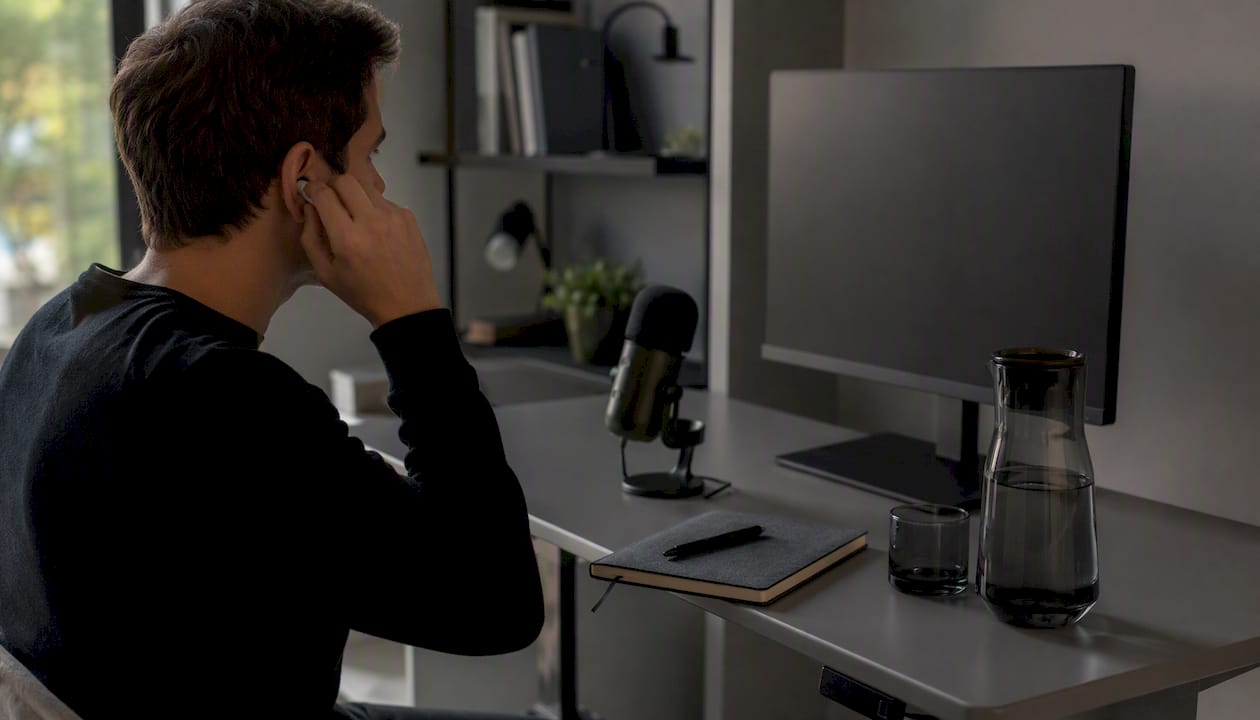
Preparing your technology is the critical first step toward a smooth and professional virtual interview. Before your big moment, you will need to conduct a comprehensive technology setup that ensures you look and sound your best.
According to Wayne State University’s interviewing guide, performing a thorough technology trial run is essential. Start by checking your internet speed to confirm you have a stable connection. Download and test video conferencing platforms like Zoom, Google Meet, or Microsoft Teams in advance. Verify that your webcam and microphone are functioning correctly by doing a test recording or call with a friend.
Specifically, avoid using guest or public wireless networks during your interview. These services can cause unexpected connection timeouts or degrade video quality at the most critical moment. Instead, use a reliable home internet connection or a personal mobile hotspot. Consider positioning your device near your router to maximize signal strength and minimize potential technical disruptions.
Test your technology at least 24 hours before your interview. This gives you time to troubleshoot any unexpected issues and ensures you approach your virtual interview with confidence and technical readiness. Remote Job Interview Tips can provide additional guidance on preparing for your virtual interview experience.
Step 2: Prepare Your Professional Environment
Creating a polished and professional interview environment is crucial for making an outstanding first impression. Your physical setup speaks volumes before you even say a word.
According to Wayne State University’s interviewing guide, selecting a quiet and reliable physical space is fundamental. Choose a location with minimal background noise and a neutral backdrop that looks clean and professional. Invest in a comfortable chair that allows you to sit with good posture and appears professional on camera. Consider your lighting carefully ensure you are well illuminated and clearly visible.
Before your interview, perform a comprehensive background check. Mute all electronic devices and close unnecessary browser tabs to prevent interruptions. Plug in your electronic chargers to avoid battery anxiety during the interview. Position your camera at eye level and do a test recording to verify your background looks neat and distraction free.
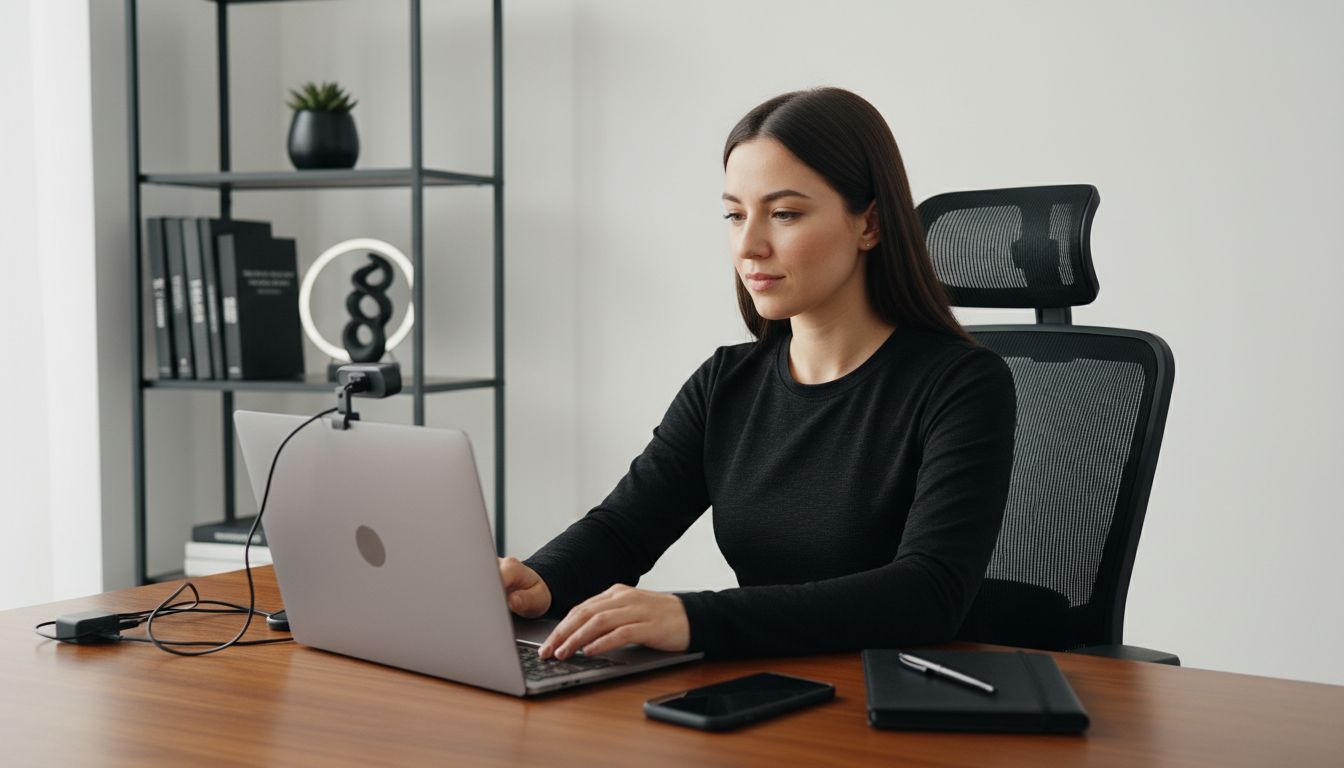
A clean wall or a minimalist bookshelf works best as a backdrop.
Your physical environment can significantly impact an interviewer’s perception. By creating a professional setup, you demonstrate attention to detail and respect for the opportunity. Understanding the Interview Preparation Process can provide additional insights into creating the perfect interview atmosphere.
Step 3: Test AI Job Interview Assistant Integration
Integrating an AI interview assistant can transform your interview preparation from good to exceptional. This step is about strategically using AI technology to enhance your interview readiness and performance.
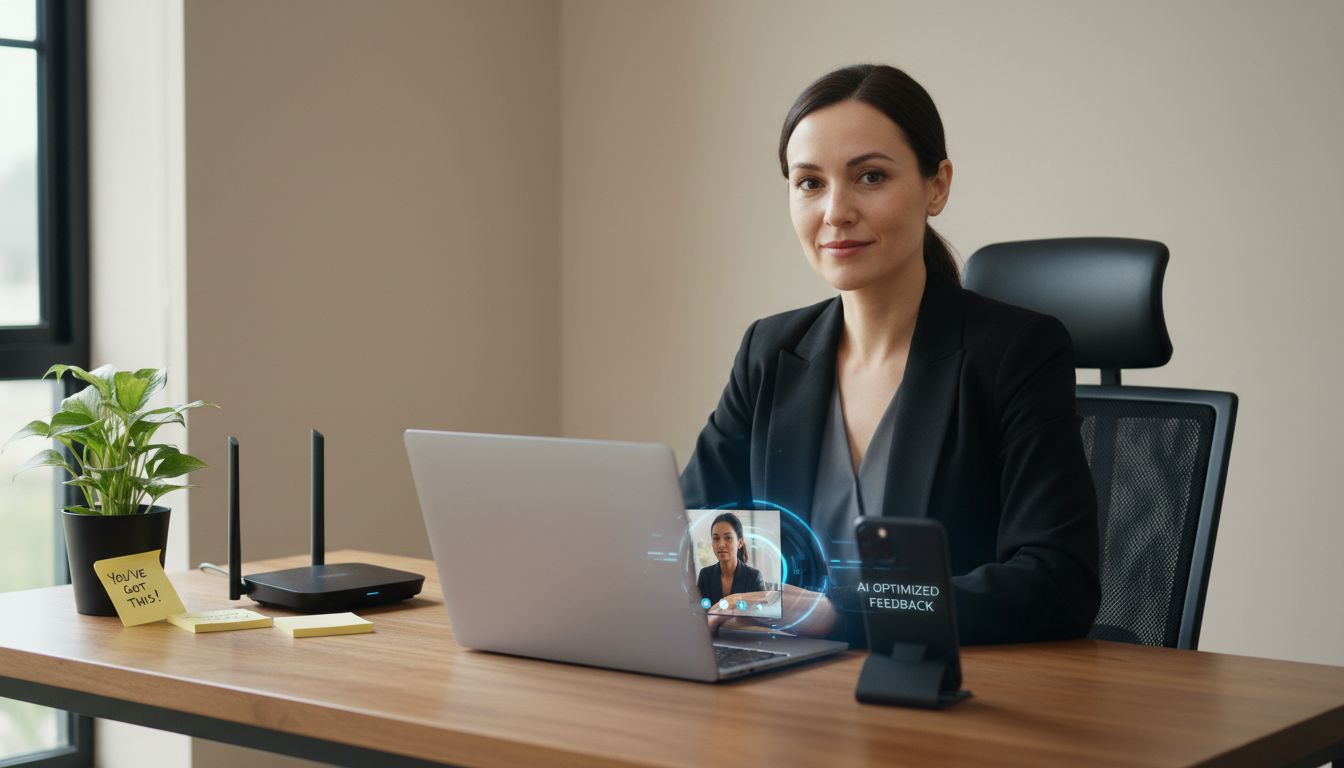
Recent research from ArXiv highlights the potential of AI tools like ‘Conversate,’ which support reflective learning through interactive interview simulations. Before your actual interview, take time to thoroughly test your AI interview assistant. Upload your resume, input the job description, and run multiple practice interview scenarios to familiarize yourself with the tool’s capabilities.
The SimInterview research demonstrates how advanced AI systems can create realistic virtual recruiters that dynamically adapt to your specific professional profile. Pay attention to the feedback and insights generated by the AI.
These tools can provide nuanced suggestions about your communication style, answer completeness, and potential areas of improvement that human coaches might miss. AI Powered Job Interview Tools can offer additional strategies for maximizing your AI interview preparation.
Step 4: Practice Real-Time Responses With AI Support
Practicing real-time interview responses with AI support can dramatically improve your confidence and communication skills. This step transforms theoretical preparation into practical, interactive learning.
Research from ArXiv highlights innovative AI interview systems like ‘InterviewBot,’ which dynamically integrate conversation history to create realistic interview scenarios. Start by selecting an AI interview practice tool that allows real-time dialogue simulation. Engage with the system by answering questions as you would in an actual interview, paying close attention to the AI’s feedback on your response structure, clarity, and professional tone.
When practicing, focus on more than just content. Work on your verbal delivery, pace of speaking, and ability to articulate complex ideas succinctly. The AI can provide nuanced insights into your communication style that traditional practice methods might miss. What Is Live Interview AI can provide additional context on how these advanced systems work. Remember that the goal is not to sound robotic, but to become more natural and confident in your professional communication.
Step 5: Verify Interview Readiness and Confidence
Confidence is the cornerstone of a successful interview performance. This final step helps you assess and solidify your interview preparedness through strategic self evaluation and targeted practice.
According to the Air Force Medical Center Interview Handbook, conducting mock interviews with peers and advisors is a powerful method to enhance your readiness. Seek out individuals who can provide honest feedback about your responses, body language, and overall presentation. Practice developing specific examples from your personal and professional experiences that illustrate your skills and achievements.
Record yourself during these mock interviews to review your performance objectively. Pay attention to your verbal communication pace, tone, and clarity. Observe your nonverbal cues like eye contact, posture, and facial expressions. Interview Confidence Tips for Job Success can offer additional strategies to boost your self assurance. Remember that true confidence comes from thorough preparation and genuine self understanding. Embrace your unique strengths and approach the interview as an opportunity to showcase your professional potential.
Take Control of Your Virtual Interview Success Today
Preparing for virtual interviews can be overwhelming with all the tech checks, environment setup, and practice needed to feel confident. If you find yourself worried about managing real-time answers or unsure how to master your responses, you are not alone. This article highlights the pain points of technical challenges, effective communication, and interview confidence that every candidate faces.
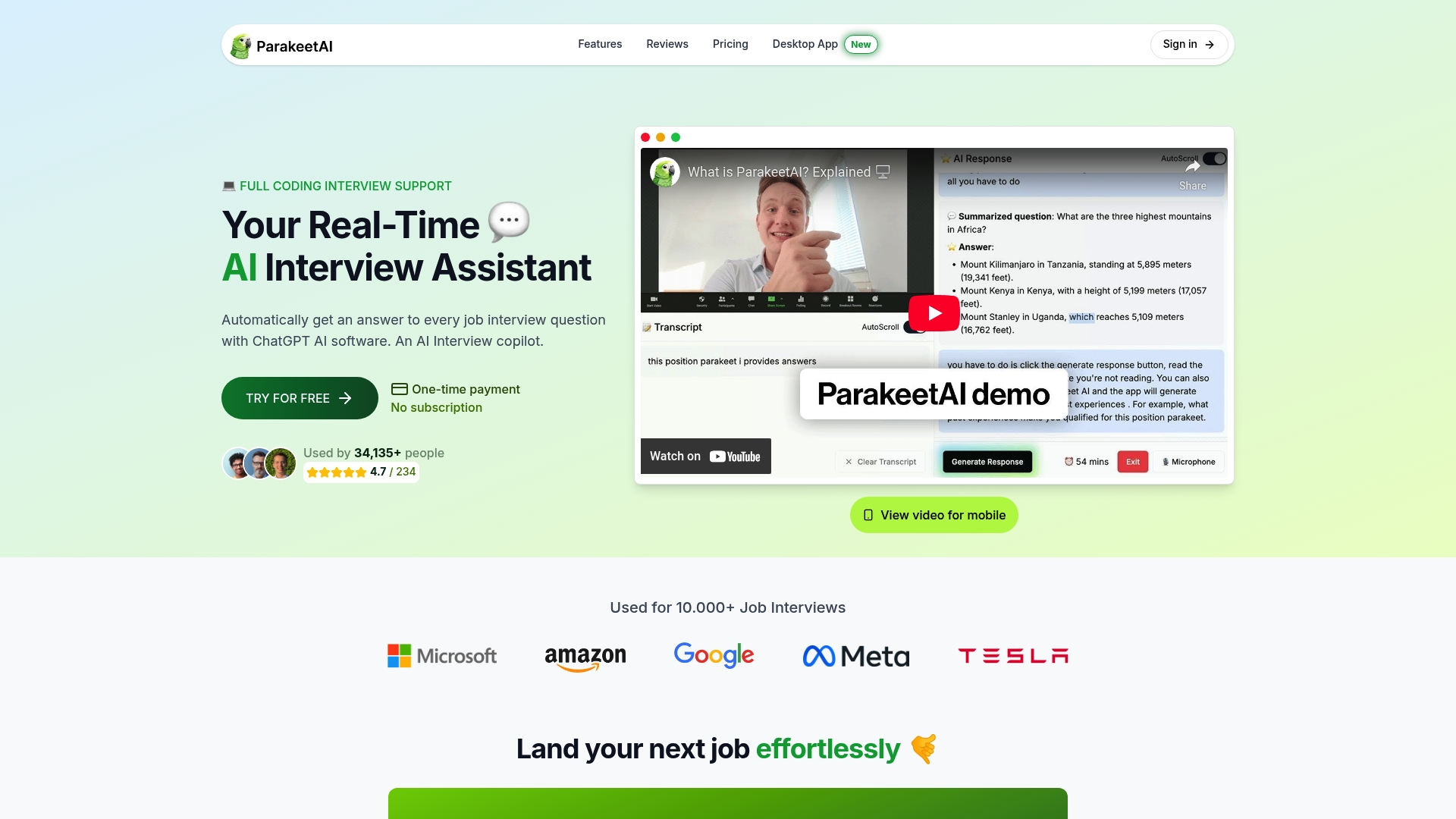
Why not turn these challenges into your greatest strengths with a real-time AI job interview assistant? At Parakeet AI, our tool listens to your interview and automatically generates answers, helping you practice delivering clear and professional responses under pressure. Don’t wait until the interview starts to test your readiness. Experience the power of AI-driven preparation now and boost your confidence by visiting https://parakeet-ai.com. Take the next step to transform anxiety into assurance with AI Powered Job Interview Tools and learn how to perfectly integrate technology in your interview preparation with Understanding the Interview Preparation Process. Your stress-free success starts here.
Frequently Asked Questions
How do I set up my technology for a virtual interview?
To set up your technology for a virtual interview, begin by checking your internet speed and ensuring a stable connection. Download and test video conferencing platforms ahead of time, and verify that your webcam and microphone are working correctly by conducting a trial run.
What should I do to prepare my interview environment?
Prepare your interview environment by choosing a quiet location with minimal distractions and a clean backdrop. Make sure your lighting is adequate, and position your camera at eye level for the best visibility during the interview.
How can I effectively integrate an AI interview assistant?
Effectively integrate an AI interview assistant by uploading your resume and the job description, then run practice interview scenarios to familiarize yourself. Regularly review the feedback provided by the AI to understand your strengths and areas for improvement.
What are the key practices for real-time interview responses?
To practice real-time interview responses, engage with an AI interview tool that simulates actual interview questions. Focus not only on the content but also on your verbal delivery and pacing to build confidence and improve your overall communication skills.
How can I assess my interview readiness?
Assess your interview readiness by conducting mock interviews with peers who can provide constructive feedback.
Record these sessions to analyze your verbal and nonverbal communication, making sure to identify areas where you can improve.
What is the best way to boost my confidence before a virtual interview?
To boost your confidence before a virtual interview, thoroughly prepare by practicing responses to common questions and receiving feedback. Embrace your unique strengths and approach the interview as a chance to showcase your potential.