How to Avoid Common Interview Pitfalls for Tech Jobs

Nearly half of American tech graduates report feeling unprepared for virtual interviews, especially when artificial intelligence platforms are involved. Standing out in a competitive landscape demands more than strong technical skills. The way you set up your interview environment, use AI resources, and communicate can make a real difference in landing the job you want. This guide reveals proven steps to help you avoid common slip ups and display your strengths in every AI-assisted interview.
Table of Contents
- Step 1: Assess Your Interview Environment For Distractions
- Step 2: Review Sample Questions And AI Insights Thoroughly
- Step 3: Practice Responding Confidently With Real-Time AI
- Step 4: Monitor Your Communication For Clarity And Focus
- Step 5: Evaluate Your Performance And Refine Strategies
Quick Summary
| Key Point | Explanation |
|---|---|
| 1. Choose a quiet interview location | Select a noise-free environment to minimize distractions and ensure clarity during the interview. |
| 2. Utilize AI tools for preparation | Leverage AI to generate questions and simulate interview scenarios that reflect the job’s requirements. |
| 3. Practice structured responses using STAR | Employ the STAR method to deliver organized and coherent answers that highlight your skills. |
| 4. Monitor nonverbal communication | Maintain eye contact and confident body language to enhance engagement and professionalism. |
| 5. Reflect and refine after practice interviews | Analyze mock interviews to identify weaknesses and create improvement plans for better performance. |
Step 1: Assess your interview environment for distractions
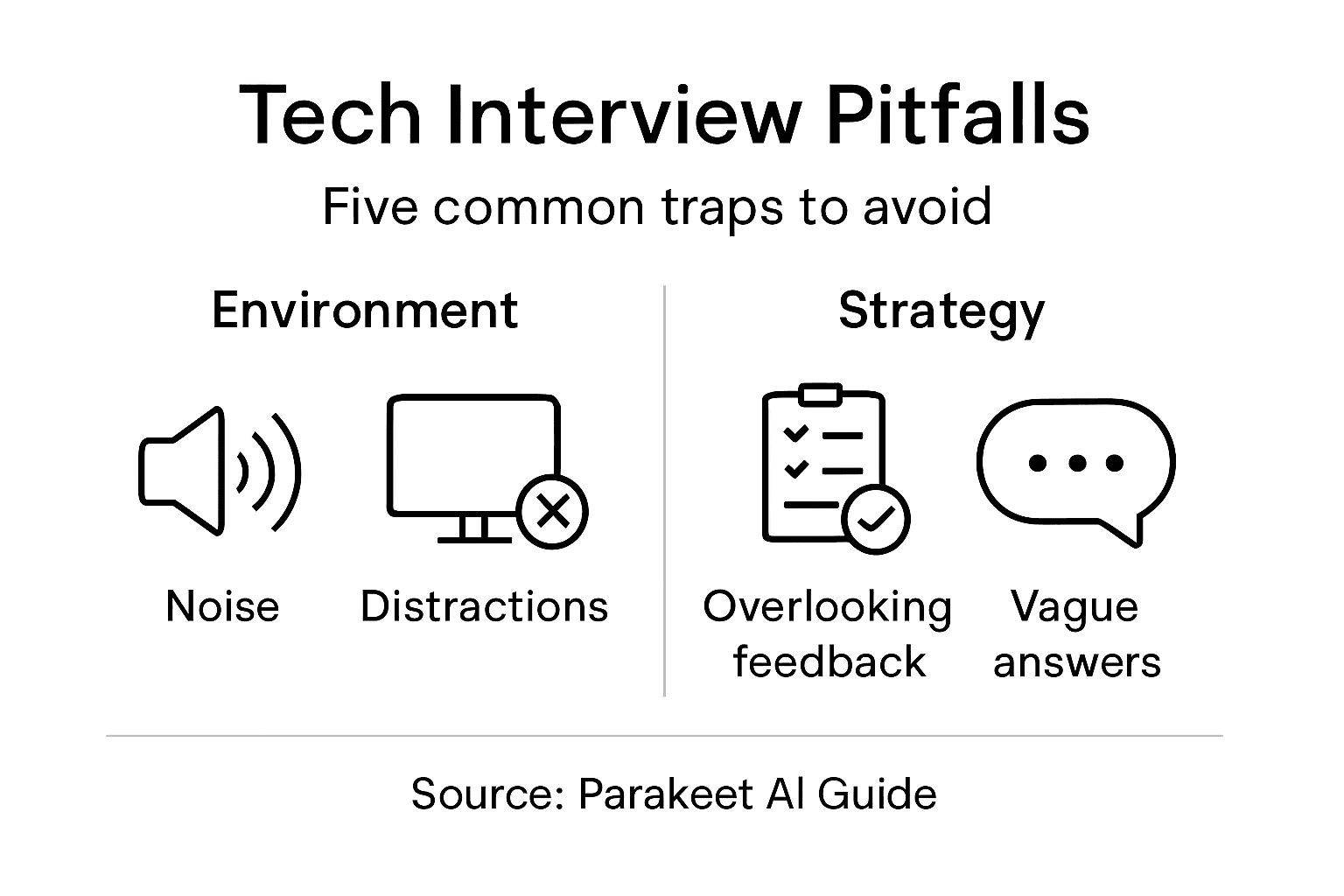
Preparing a professional interview environment requires strategic planning to minimize potential disruptions and present yourself in the best possible light. By carefully curating your physical and digital space, you can create a focused backdrop that allows your skills and personality to shine through.
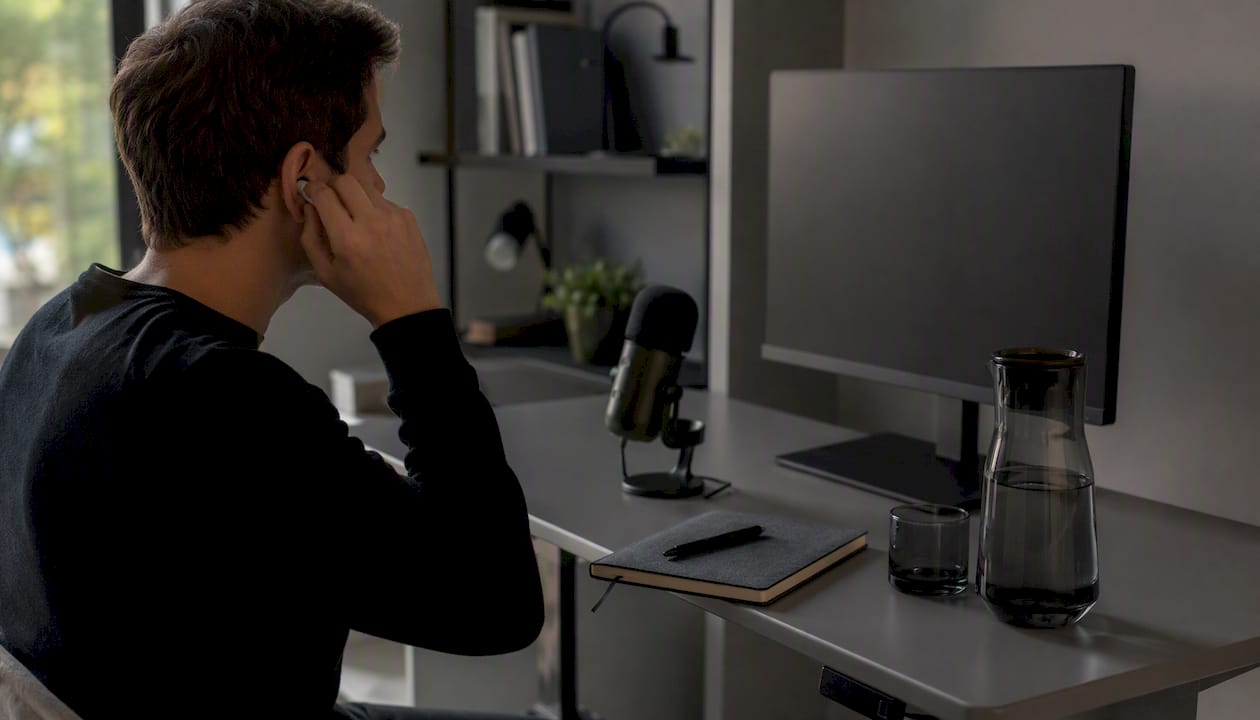
Start by selecting a quiet location with minimal background noise and visual interruptions. Professional interview environments demand a clean, organized background that appears neutral and uncluttered. Position yourself in a room with good natural lighting facing the camera, ensuring your face is well illuminated and clearly visible. Test your internet connection beforehand and close unnecessary browser tabs and applications to prevent unexpected notifications from breaking your concentration. Consider using headphones with a built in microphone to enhance audio quality and reduce ambient sounds.
Be mindful of potential physical distractions like fidgeting or repetitive movements that might draw attention away from your responses. Sit in a stationary chair that prevents unnecessary swiveling, keep your hands relaxed, and practice maintaining a calm, professional posture. This approach demonstrates confidence and helps the interviewer focus on your qualifications rather than your movements.
Pro Tip: Do a complete technology and environment dry run at least 24 hours before your actual interview to identify and resolve any potential technical or spatial issues.
Here’s a comparison of common interview distractions and strategies to manage them:
| Source of Distraction | Impact on Interview | Management Strategy |
|---|---|---|
| Background noise | Reduces focus and clarity | Choose a quiet location |
| Cluttered surroundings | Appears unprofessional | Use a neutral, tidy backdrop |
| Technical issues | Interrupts interview flow | Test devices and connections early |
| Physical fidgeting | Distracts interviewer | Practice calm, steady posture |
Step 2: Review sample questions and AI insights thoroughly
Preparing for a tech job interview requires a strategic approach to understanding potential questions and leveraging AI technologies to enhance your readiness. This step involves systematically exploring interview question patterns and using AI tools to refine your interview preparation strategy.

AI interview preparation techniques can help you generate realistic practice questions tailored to specific job descriptions. Start by collecting a comprehensive set of sample questions from multiple sources including industry forums, professional networking sites, and specialized tech interview resources. Focus on questions that align with the specific technical role you are targeting. As you review these questions, pay close attention to common themes such as technical skills assessment, problem solving scenarios, and behavioral competency evaluations. Use AI tools to simulate interview scenarios and receive feedback on your response structure and content quality.
Carefully analyze the depth and breadth of potential questions, recognizing that tech interviews often blend technical knowledge with critical thinking and communication skills. Cross reference your practice questions with current industry trends and specific technologies relevant to the job. This approach will help you develop nuanced, comprehensive answers that demonstrate both technical expertise and professional adaptability.
Pro Tip: Record your practice interview responses and review them critically to identify areas of improvement in communication clarity and technical articulation.
Step 3: Practice responding confidently with real-time AI
Taking your interview preparation to the next level requires sophisticated AI practice techniques that simulate real world interview scenarios. This step focuses on transforming theoretical knowledge into confident, articulate responses through advanced technological tools.
AI interview practice methods enable candidates to develop dynamic communication skills by engaging with intelligent simulation platforms. Start by selecting an AI driven mock interview tool that offers industry specific question sets and provides immediate performance feedback. Focus on practicing the STAR method (Situation Task Action Result) to structure your responses systematically. Record your practice sessions to analyze your verbal communication patterns tone and clarity. Pay special attention to your body language even during virtual simulations as nonverbal cues significantly impact interviewer perceptions.
As you progress through multiple AI powered practice sessions gradually increase the complexity of questions and scenarios. Challenge yourself to respond quickly and authentically adapting your communication style to different interview formats. The goal is not just memorizing answers but developing genuine conversational flexibility that demonstrates your technical competence and professional adaptability.
Pro Tip: Request specific technical scenario feedback from AI tools to identify and eliminate potential communication weaknesses before your actual interview.
Step 4: Monitor your communication for clarity and focus
Developing exceptional communication skills is crucial for successfully navigating technical interviews. This step focuses on refining your communication approach to ensure you present your technical knowledge with precision and confidence.
Technical communication strategies help candidates transform complex ideas into clear concise messages. Begin by practicing controlled speech patterns that balance technical depth with accessibility. Pay close attention to your verbal pacing avoiding rushed explanations or overly technical language that might confuse your interviewer. Practice active listening and respond directly to the specific question asked instead of meandering through tangential information. Structure your responses using frameworks like the STAR method to maintain logical flow and demonstrate both technical expertise and communication skills.
As you develop your communication skills focus on nonverbal aspects as well. Maintain steady eye contact even in virtual interviews use confident body language and modulate your tone to convey enthusiasm and professionalism. Record and review your practice sessions to identify verbal tics nervous habits or communication patterns that might undermine your message. The goal is to create a seamless communication experience that highlights your technical competence and interpersonal capabilities.
Pro Tip: Practice explaining complex technical concepts to non technical friends to improve your ability to communicate clearly and concisely.
Here is a summary of key interview communication techniques and their benefits:
| Technique | Description | Key Benefit |
|---|---|---|
| Controlled speech | Balanced pacing and clarity | Improves understanding |
| Active listening | Responding to questions directly | Shows engagement and focus |
| STAR method | Structured, logical answer framework | Demonstrates analytical skills |
| Body language awareness | Confident posture and eye contact | Enhances professionalism |
Step 5: Evaluate your performance and refine strategies
Successful interview preparation requires continuous self assessment and strategic improvement. This step focuses on transforming your mock interview experiences into actionable insights that will enhance your overall interview performance.
Post interview analysis techniques help candidates systematically deconstruct their interview experiences. Start by creating a structured reflection process where you document specific moments during practice interviews including questions that challenged you most technical explanations that felt unclear and communication patterns that might have hindered your message. Use detailed recording and playback to objectively analyze your verbal and nonverbal communication identifying precise areas for improvement. Consider categorizing your observations into technical knowledge communication skills and overall presentation approach.
Develop a personalized improvement plan based on your assessment. Set specific measurable goals for addressing identified weaknesses such as reducing filler words improving technical explanation clarity or enhancing body language. Regularly update your strategy as you progress tracking your improvement through repeated mock interviews. Remember that interview skills are a dynamic capability that requires consistent practice and thoughtful refinement.
Pro Tip: Create a personal performance tracking spreadsheet to quantify and monitor your interview skill improvements across multiple practice sessions.
Master Your Tech Interview and Never Fall Into Common Traps
Preparing for a tech job interview comes with its unique challenges like avoiding distracting environments, handling unexpected questions, and communicating your skills with clarity. You know how critical it is to practice real-time responses and structure your answers with methods like STAR but sometimes unexpected moments throw you off balance. Our real-time AI job interview assistant listens carefully to every question and instantly provides tailored answers helping you stay calm and confident while sharpening your communication skills and technical explanations.
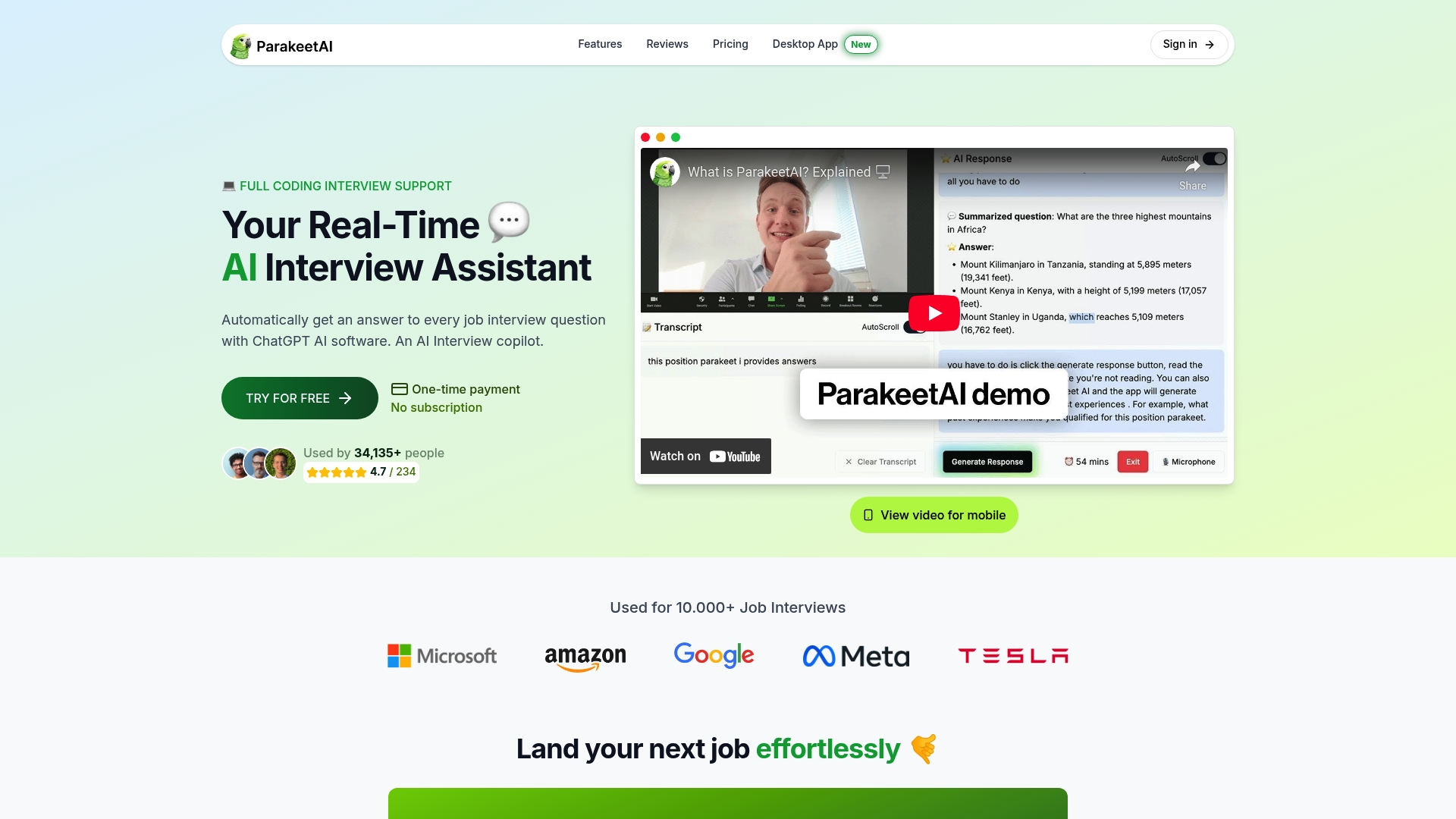
Take control of your interview journey now by visiting Parakeet AI. Elevate your preparation beyond traditional mock interviews by experiencing dynamic, AI-powered feedback that pinpoints your communication and technical areas needing improvement. Don’t let common pitfalls limit your success. Try our expert AI coaching tools designed for tech candidates and build your confidence today through smarter interview simulations at https://parakeet-ai.com.
Frequently Asked Questions
How can I create a distraction-free interview environment?
To create a distraction-free interview environment, select a quiet location and ensure your background is clean and organized. Test your internet connection and use headphones for better audio quality.
What common interview questions should I prepare for in tech job interviews?
Prepare for common tech interview questions that assess technical skills and problem-solving scenarios. Collect questions from various sources, and focus on high-frequency themes relevant to your specific job role.
How can I improve my communication skills for a tech interview?
You can improve your communication skills by practicing controlled speech and using structured frameworks like the STAR method. Record your practice sessions to analyze your clarity and adjust your approach based on your observations.
What should I do if I experience technical issues during the interview?
If you experience technical issues during the interview, stay calm and promptly communicate the problem to the interviewer. Prepare to troubleshoot by having a backup plan, such as an alternative device or connection option, before the interview.
How can I evaluate my performance after a mock interview?
Evaluate your performance by documenting specific moments and feedback from your mock interview. Create a structured reflection process to pinpoint areas for improvement and set measurable goals to track your progress in future practice sessions.
Recommended
- technical interview questions - ParakeetAI
- 10 Essential Tips for Answering Technical Interview Questions
- Top Software Developer Interview Questions for 2025
- Benefits of Mock Interviews: Building Tech Career Confidence
- Understanding Effective Virtual Team Tips for Success – Optio Station: Best Project Management App for Prioritization