
Interview Questions for Quality Engineer Success

Facing a quality engineering interview in the global tech industry brings unique pressures, especially when technical questions demand precise answers. Quality engineers are expected to master a wide range of skills, from using advanced tools like SPC and FMEA to navigating behavioral and situational questions that test both teamwork and problem-solving. If you are preparing for roles across American, Canadian, or European companies, this guide delivers AI-generated answers that help you approach these interviews with clarity and confidence.
Table of Contents
- Quality Engineer Roles and Core Concepts
- Types of Interview Questions Explained
- Essential Technical Skills and Tools Assessed
- Real-World Scenarios and Problem Solving
- Common Mistakes and How to Avoid Them
- Leveraging AI for Effective Interview Prep
Key Takeaways
| Point | Details |
|---|---|
| Role of Quality Engineers | Quality engineers ensure product excellence through quality management systems and performance optimization. |
| Interview Question Types | Candidates should prepare for technical, behavioral, and situational questions that assess their capabilities. |
| Essential Technical Skills | Proficiency in quality control tools, statistical analysis, and problem-solving methodologies is crucial. |
| AI in Interview Preparation | AI technologies offer personalized mock interviews and performance analysis to enhance readiness. |
Quality Engineer Roles and Core Concepts
Quality engineers play a critical role in ensuring product excellence and maintaining rigorous standards across technology and manufacturing industries. These professionals are responsible for designing, implementing, and managing comprehensive quality control processes that prevent defects and optimize performance.
Core responsibilities of quality engineers typically include:
- Developing and implementing quality management systems
- Conducting detailed product testing and inspection
- Analyzing performance data and identifying potential improvements
- Creating documentation for quality control procedures
- Collaborating with design and production teams to resolve technical issues
The field requires a unique blend of technical expertise and analytical skills. Quality engineers must understand complex technical systems while possessing strong problem-solving capabilities. They work across multiple domains, from software engineering interview questions to manufacturing process optimization.
Successful quality engineers typically possess a robust educational background in engineering disciplines such as mechanical, industrial, or software engineering. Most roles require at least a bachelor’s degree, with many advanced positions demanding advanced certifications or graduate-level qualifications.
Analytical skills are paramount in this profession. Quality engineers must be proficient in statistical analysis, root cause investigation, and implementing continuous improvement methodologies like Six Sigma and Total Quality Management.
Pro tip: Develop a comprehensive portfolio showcasing your problem-solving projects and quality improvement initiatives to stand out in job interviews.
Types of Interview Questions Explained
Quality engineer interviews typically encompass three primary question categories designed to comprehensively assess a candidate’s technical capabilities, problem-solving skills, and professional demeanor. Interview question analysis reveals the strategic nature of these assessment methods.
The main types of interview questions for quality engineers include:
- Technical Questions
- Assessing specific engineering knowledge
- Testing understanding of quality control methodologies
- Evaluating technical problem-solving capabilities
- Behavioral Questions
- Exploring past professional experiences
- Understanding interpersonal and communication skills
- Assessing adaptability and teamwork
- Situational Questions
- Presenting hypothetical workplace scenarios
- Evaluating critical thinking and decision-making skills
- Testing ability to handle complex quality management challenges
Technical questions typically probe deep into a candidate’s specialized knowledge. These might include detailed inquiries about statistical process control, quality management systems, root cause analysis techniques, and specific industry-standard quality frameworks like Six Sigma or ISO 9001.
Behavioral questions aim to understand how candidates have historically approached professional challenges. Interviewers often use the STAR method (Situation, Task, Action, Result) to evaluate past performance and predict future potential. These questions help assess soft skills critical for quality engineering roles, such as communication, collaboration, and continuous improvement mindset.
Situational questions challenge candidates to demonstrate real-time problem-solving abilities by presenting complex, hypothetical scenarios that mirror real-world quality engineering challenges. These questions evaluate a candidate’s analytical thinking, technical knowledge, and professional judgment.
Pro tip: Prepare concrete examples from your professional experience that demonstrate your technical expertise, problem-solving skills, and ability to drive continuous improvement.
The following table compares the three main interview question types for quality engineering roles:
| Question Type | Focus Area | What Interviewers Assess |
|---|---|---|
| Technical | Engineering and QC knowledge | Depth and accuracy of expertise |
| Behavioral | Past work experiences | Communication and teamwork skills |
| Situational | Hypothetical scenarios | Critical thinking and judgment |
Essential Technical Skills and Tools Assessed
Quality engineering interviews rigorously evaluate a candidate’s technical proficiency through comprehensive assessments of specialized skills and advanced tools. Technical skills assessment plays a critical role in determining a candidate’s potential for success in quality management roles.
Key technical skills and tools typically assessed include:
- Quality Control Tools
- Statistical Process Control (SPC)
- Failure Mode and Effects Analysis (FMEA)
- Measurement Systems Analysis (MSA)
- Advanced Product Quality Planning (APQP)
- Software and Analytical Skills
- Test automation platforms
- Data analysis software
- Bug tracking systems
- Performance testing tools
- Technical Methodologies
- Six Sigma principles
- Lean manufacturing techniques
- ISO quality standards
- Root cause analysis techniques
Technical interviews often demand deep knowledge of quality management systems and statistical analysis techniques. Candidates must demonstrate proficiency in interpreting complex data, identifying process variations, and implementing continuous improvement strategies across manufacturing and software development environments.
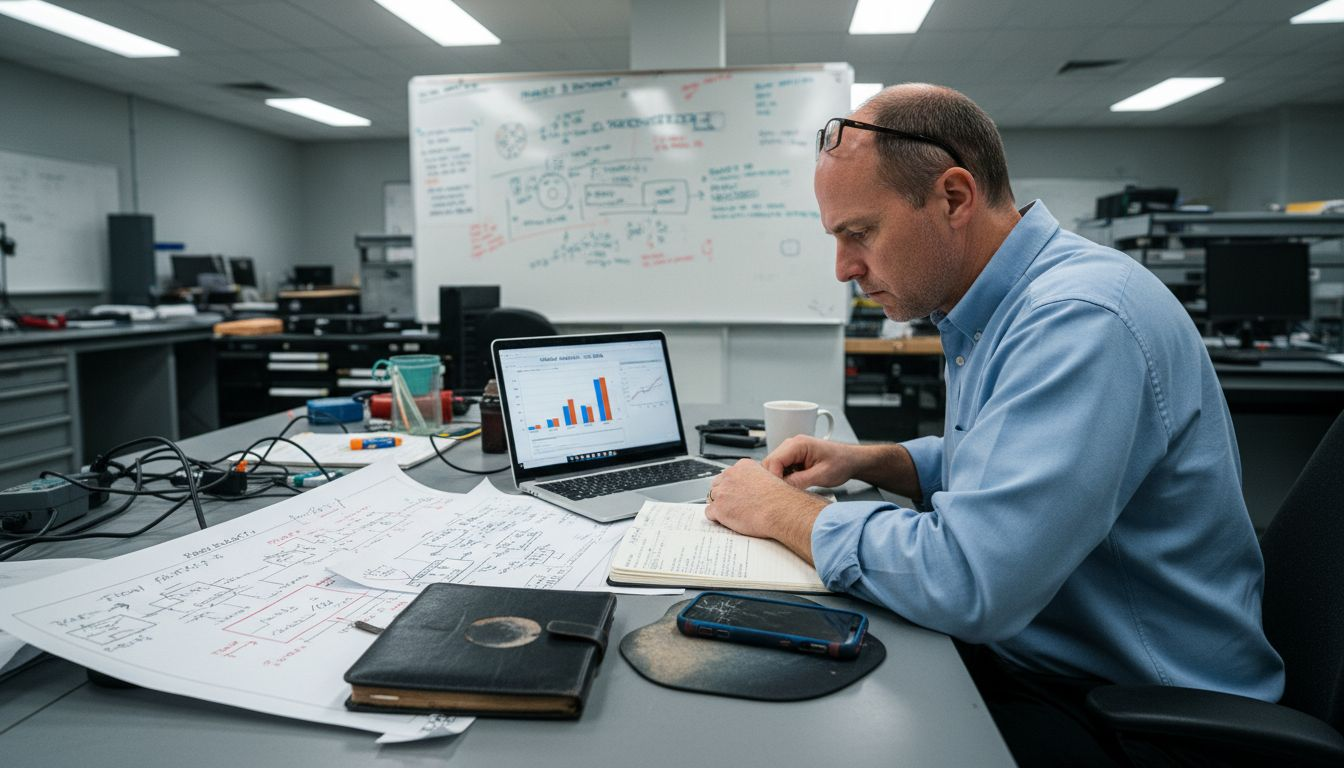
Software and analytical skills are increasingly important in modern quality engineering roles. Interviewers assess a candidate’s ability to use advanced tools for data collection, analysis, and visualization. Proficiency with platforms like Minitab, R, Python, and specialized quality management software can significantly differentiate top candidates.
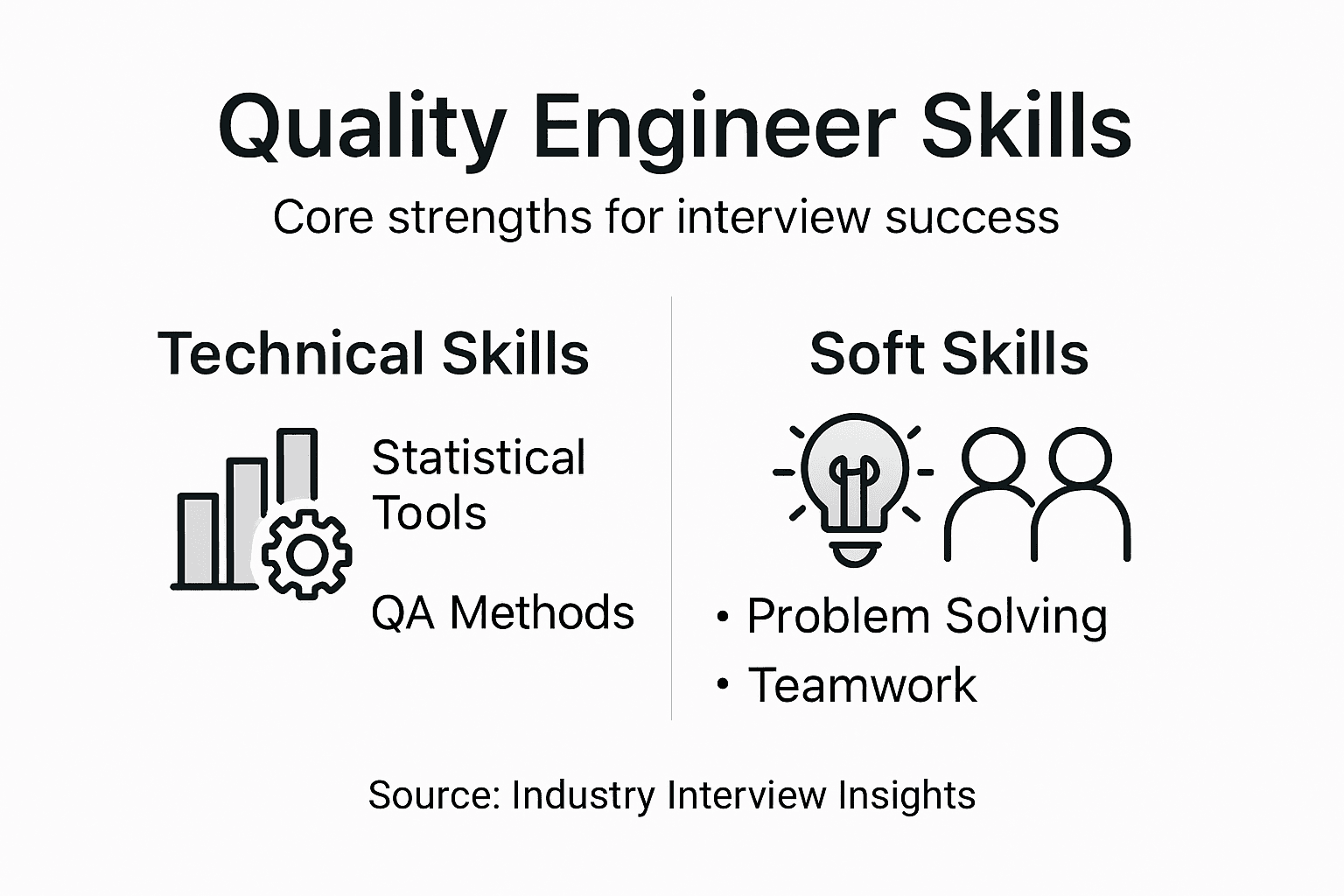
Technical competency extends beyond tool knowledge to include critical thinking, problem-solving, and the ability to translate data insights into actionable quality improvement recommendations. Employers seek quality engineers who can not only understand technical metrics but also communicate complex findings effectively to cross-functional teams.
Pro tip: Develop a portfolio showcasing specific projects where you used advanced technical tools to drive measurable quality improvements and demonstrate your analytical problem-solving skills.
Here’s a summary of how key technical tools support quality engineering objectives:
| Tool or Methodology | Main Purpose | Typical Business Impact |
|---|---|---|
| Statistical Process Control (SPC) | Monitors process variation | Reduces defects and rework costs |
| Test Automation Platforms | Automates repetitive testing tasks | Increases speed and consistency |
| Six Sigma | Minimizes process variability | Boosts product quality, lowers errors |
| Data Analysis Software | Interprets and visualizes metrics | Drives informed decision-making |
| Root Cause Analysis Techniques | Identifies sources of quality issues | Enables long-term improvements |
Real-World Scenarios and Problem Solving
Quality engineering interviews frequently employ complex, realistic problem-solving scenarios to evaluate a candidate’s critical thinking and technical expertise. Problem solving strategies reveal the intricate approaches required to navigate challenging quality management situations.
Typical scenario assessment categories include:
- Process Improvement Scenarios
- Identifying systemic quality issues
- Proposing root cause solutions
- Developing corrective action plans
- Performance Optimization Challenges
- Analyzing quality metrics
- Reducing defect rates
- Implementing statistical process control
- Cross-Functional Collaboration Scenarios
- Communicating technical findings
- Negotiating quality standards
- Influencing organizational change
Interviewers design scenarios that test not just technical knowledge, but the candidate’s ability to synthesize complex information, communicate effectively, and drive meaningful improvements. These real-world challenges often simulate actual workplace situations, requiring candidates to demonstrate both analytical thinking and practical problem-solving skills.
Successful candidates must articulate a structured approach to problem resolution. This typically involves systematically breaking down complex issues, gathering relevant data, analyzing root causes, developing targeted interventions, and effectively communicating recommendations across different organizational levels.
Strategic problem solving goes beyond technical skills, requiring emotional intelligence, communication prowess, and the ability to navigate complex organizational dynamics. Quality engineers must demonstrate they can transform data-driven insights into actionable strategies that drive continuous improvement and organizational excellence.
Pro tip: Practice explaining your problem-solving approach using the STAR method, emphasizing your analytical process, concrete actions, and measurable outcomes in each scenario.
Common Mistakes and How to Avoid Them
Quality engineering interviews expose candidates to scenarios that reveal potential professional pitfalls. Common interview pitfalls underscore the importance of strategic preparation and self-awareness.
Critical mistakes quality engineer candidates frequently make include:
- Technical Communication Errors
- Overcomplicating technical explanations
- Using excessive jargon
- Failing to explain complex concepts clearly
- Problem-Solving Missteps
- Jumping to conclusions without analysis
- Neglecting systematic root cause investigation
- Overlooking potential alternative solutions
- Interview Presentation Mistakes
- Lack of concrete project examples
- Poor demonstration of continuous improvement mindset
- Insufficient preparation for scenario-based questions
Many candidates underestimate the importance of demonstrating not just technical knowledge, but the ability to communicate complex ideas effectively. Successful quality engineers must bridge the gap between technical expertise and clear, concise communication, translating technical insights for diverse organizational stakeholders.
Understanding common pitfalls requires a critical self-assessment of both technical skills and professional presentation. Candidates often struggle with balancing technical depth and clarity, failing to recognize that interviewers are evaluating their potential to drive organizational quality improvements beyond mere technical competence.
Strategic preparation involves anticipating potential interview challenges and developing a comprehensive approach that highlights problem-solving skills, technical knowledge, and professional adaptability. Quality engineers must showcase their ability to transform technical insights into actionable organizational strategies.
Pro tip: Record and review mock interviews to identify communication gaps and refine your ability to explain complex technical concepts with clarity and precision.
Leveraging AI for Effective Interview Prep
Artificial Intelligence is transforming interview preparation for quality engineers, offering unprecedented opportunities for personalized skill development. Interview prep guide reveals how advanced technologies can revolutionize candidate readiness.
Key AI-powered interview preparation strategies include:
- Personalized Mock Interviews
- Dynamic question generation
- Real-time feedback mechanisms
- Adaptive difficulty levels
- Performance Analysis Tools
- Communication skill assessment
- Technical knowledge evaluation
- Behavioral pattern recognition
- Skill Enhancement Platforms
- Targeted weakness identification
- Customized learning recommendations
- Simulated technical scenario training
Advanced AI systems leverage natural language processing and machine learning to provide nuanced, context-aware interview preparation. These technologies can analyze communication patterns, technical responses, and professional demeanor with unprecedented precision, offering insights that traditional preparation methods cannot match.
Machine learning algorithms can now generate highly realistic interview scenarios specific to quality engineering roles, challenging candidates with complex technical and behavioral questions that mirror actual workplace challenges. This approach allows professionals to develop muscle memory for handling high-pressure interview situations while receiving objective, data-driven feedback.
Intelligent preparation represents a paradigm shift in interview readiness, moving beyond generic advice to provide personalized, adaptive learning experiences that directly address individual skill gaps and professional development needs.
Pro tip: Integrate AI-powered interview preparation tools into your regular practice routine, treating them as dynamic learning platforms rather than simple mock interview simulators.
Ace Your Quality Engineer Interview with Real-Time AI Support
Navigating the complex landscape of quality engineering interviews can feel overwhelming. The article highlights challenges like mastering technical questions on Six Sigma and SPC, demonstrating problem-solving skills in situational queries, and clearly communicating your quality management expertise. Your goal is to confidently showcase deep technical knowledge while articulating thoughtful solutions that impress interviewers.
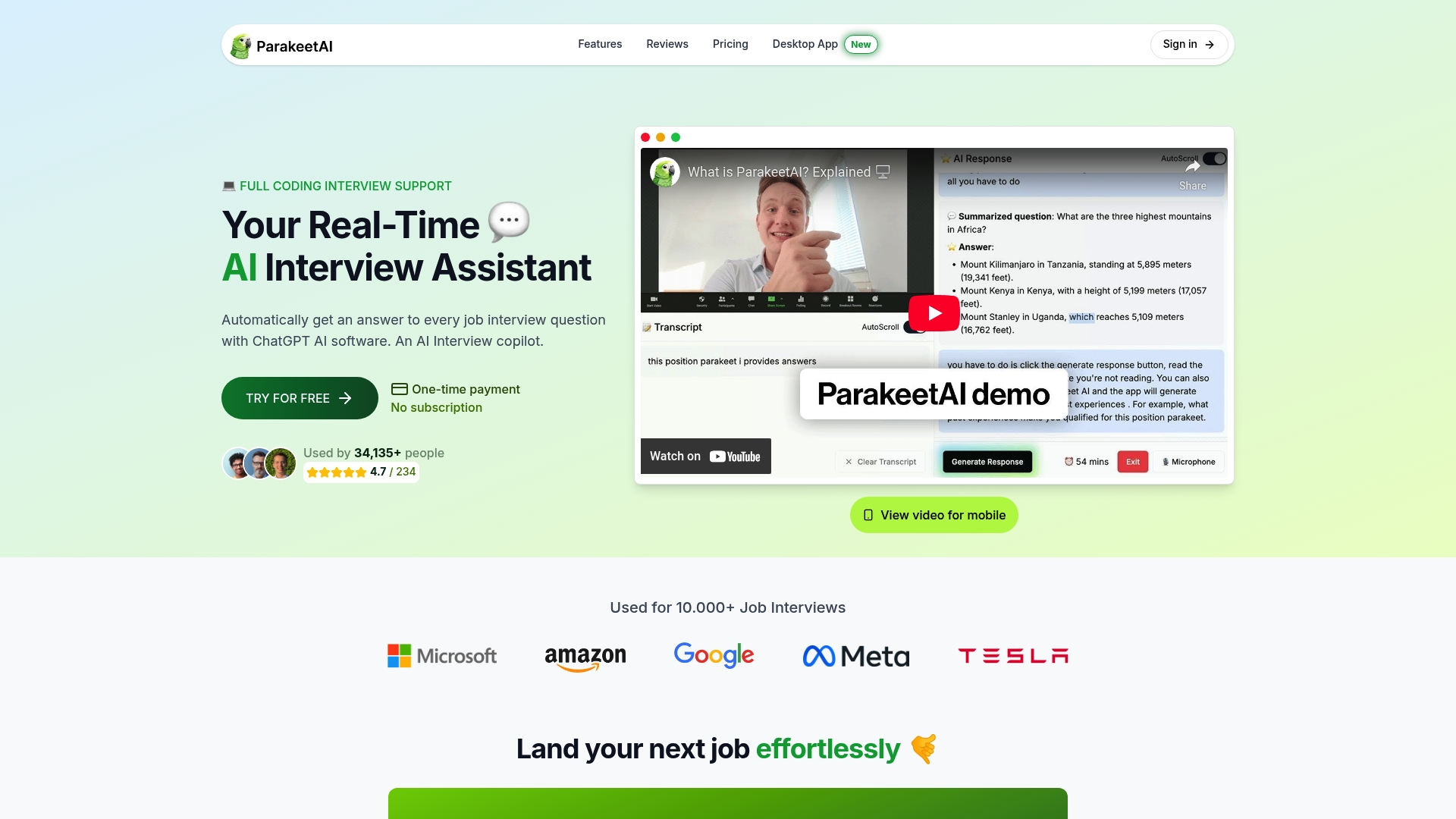
Experience a new level of interview preparation with Parakeet AI. Our real-time AI job interview assistant listens to your responses and instantly supplies tailored answers to even the toughest quality engineer questions. Say goodbye to uncertainty by practicing with dynamic mock interviews that boost your confidence and sharpen both technical and behavioral skills. Start your journey toward interview success now at https://parakeet-ai.com and unlock your full potential using Interview Prep Guide and Problem Solving Strategies to excel in every scenario.
Frequently Asked Questions
What types of interview questions are commonly asked for quality engineering roles?
Quality engineering interviews typically include three main types of questions: technical questions assessing specific engineering knowledge, behavioral questions exploring past professional experiences, and situational questions presenting hypothetical workplace scenarios.
How can I effectively prepare for technical interview questions as a quality engineer?
To prepare for technical questions, review key concepts related to quality control methodologies, statistical process control, and relevant industry standards like Six Sigma and ISO 9001. Practicing problem-solving scenarios can also enhance your readiness.
What is the STAR method, and how is it useful in behavioral interviews for quality engineers?
The STAR method stands for Situation, Task, Action, Result. It is a structured approach to answering behavioral interview questions by providing concrete examples from past experiences, helping candidates effectively demonstrate their skills and competencies.
How can I leverage AI tools for preparing for quality engineering interviews?
AI tools can enhance interview preparation by offering personalized mock interviews, real-time feedback, performance analysis, and targeted learning recommendations tailored to improve specific skills, making your preparation more effective.
Recommended
- software engineering interview questions - ParakeetAI
- software engineering manager interview questions and answers - ParakeetAI
- Master Software Engineering Manager Interview Questions and Answers
- 7 Good Interview Questions to Ask Hiring Manager
- Software Engineer Gifts vs Alternatives (2025): Which Should You Choos – Code Culture