
What Is AI-Powered Interview? Complete Overview
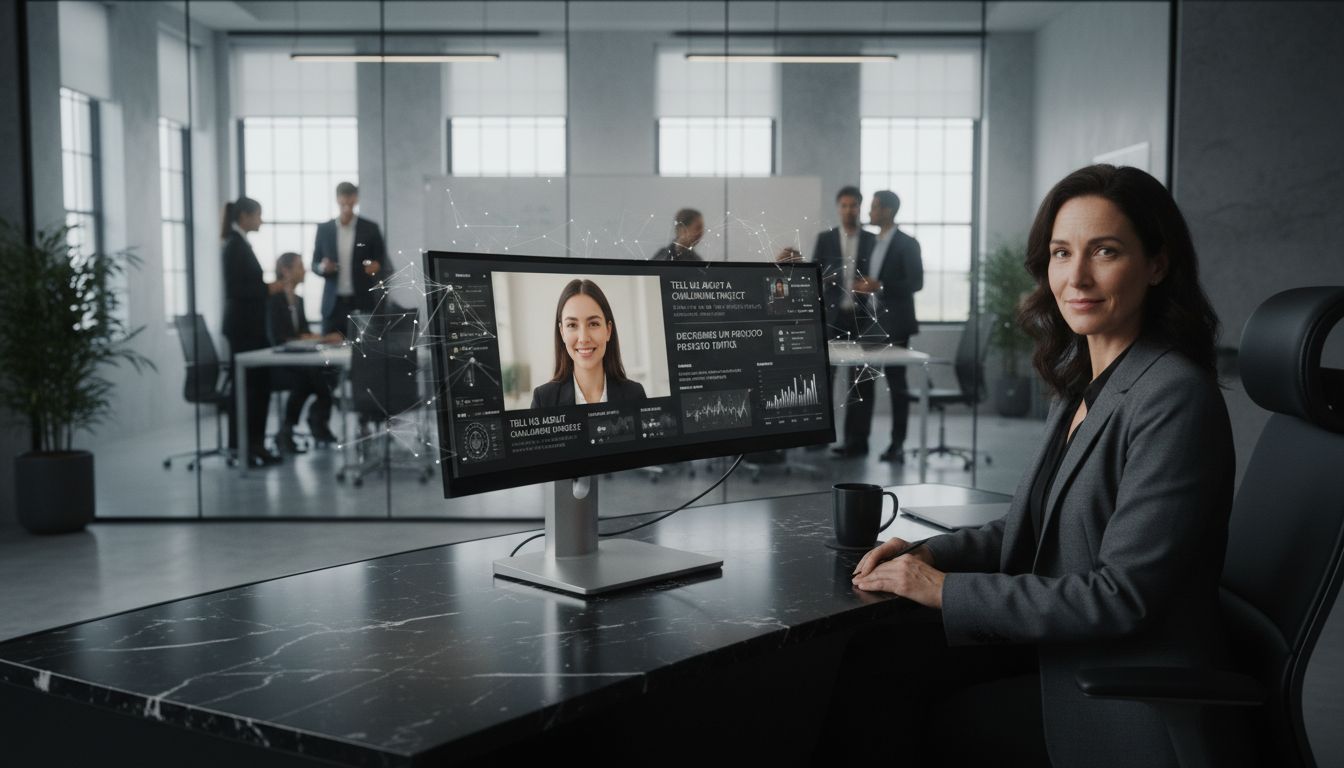
More than 60 percent of recruiters now rely on artificial intelligence to screen and assess candidates. The push for faster, fairer hiring is driving companies to adopt AI-powered interview technology, which is changing everything from how interviews are conducted to how candidates prepare. If you want to understand the impact of these tools and what makes them stand out from traditional methods, this guide breaks down the benefits, types, and risks of the latest AI-driven interview solutions.
Table of Contents
- Defining AI-Powered Interview Technology
- Types of AI-Powered Interview Solutions
- How Real-Time AI Interview Assistants Work
- Benefits and Common Applications for Job Seekers
- Potential Risks, Limitations, and Ethical Issues
Key Takeaways
| Point | Details |
|---|---|
| AI-Powered Interview Technology | Utilizes large language models to enhance recruitment through realistic, adaptive dialogue and multilingual support. |
| Diverse Interview Solutions | Includes asynchronous video, live AI-assisted, and multilingual platforms, improving flexibility and candidate evaluation efficiency. |
| Benefits for Job Seekers | Offers personalized feedback and skill demonstration tools, reducing bias and enhancing accessibility in interview preparation. |
| Ethical Considerations | Raises concerns about algorithmic bias, emotional misinterpretation, and privacy issues that impact both candidates and organizations. |
Defining AI-Powered Interview Technology
AI-powered interview technology represents a groundbreaking approach to modernizing the recruitment process through advanced artificial intelligence systems. At its core, this technology leverages large language models to simulate realistic interview experiences, transforming how candidates prepare and employers evaluate potential talent.
Research from arxiv.org highlights an innovative development called SimInterview, a system that creates multilingual virtual recruiters capable of conducting personalized, real-time conversational interviews. These AI systems go beyond traditional scripted interactions by generating dynamic, context-aware dialogue that adapts to a candidate’s responses in near-human ways.
Key features of AI-powered interview technology typically include:
- Contextual Understanding: Ability to comprehend nuanced language and interview contexts
- Adaptive Questioning: Dynamic question generation based on candidate responses
- Performance Analysis: Real-time feedback and skill assessment
- Multilingual Support: Interviews conducted across different languages
According to arxiv.org, platforms like Conversate are developing web-based applications that support reflective learning during interview practice. These systems use large language models to provide interactive simulations and provide dialogic feedback, helping candidates improve their communication and interview skills through AI-driven interactions.

Learn more about AI-driven mock interviews to understand how these technologies are reshaping professional preparation and recruitment strategies.
Types of AI-Powered Interview Solutions
AI-powered interview solutions have rapidly evolved to address diverse recruitment challenges, offering multiple innovative approaches to streamline candidate evaluation and assessment. These solutions range from one-way video interviews to sophisticated interactive platforms that simulate real-world interview scenarios.
According to Wikipedia, one-way interviews, also known as asynchronous interviews, enable employers to conduct online video interviews in an automated fashion. This approach allows candidates to record responses at their convenience, providing flexibility and enabling recruiters to review candidate presentations without scheduling complex live interactions.
The primary types of AI-powered interview solutions include:
- Asynchronous Video Interviews: Pre-recorded candidate responses evaluated by AI
- Live AI-Assisted Interviews: Real-time conversational interfaces with intelligent feedback
- Multilingual Interview Platforms: AI systems supporting multiple language interactions
- Skill-Specific Assessment Interviews: Targeted evaluations for technical and soft skills
Moreover, these AI interview technologies offer comprehensive features such as:
- Automated candidate screening
- Sentiment and language analysis
- Performance benchmarking
- Bias reduction in candidate evaluation
Explore AI-powered job interview tools for success to understand how these innovative solutions are transforming modern recruitment strategies and creating more efficient, data-driven hiring processes.
How Real-Time AI Interview Assistants Work
Real-time AI interview assistants represent a sophisticated technological breakthrough that transforms traditional recruitment processes through intelligent, adaptive conversational interfaces. These advanced systems leverage machine learning algorithms and natural language processing to create dynamic, interactive interview experiences that closely mimic human interactions.
Research from arxiv.org highlights an innovative approach with MimiTalk, a dual-agent AI framework designed for scalable and ethical conversational data collection. This framework integrates a supervisor model for strategic oversight and a conversational model for intelligent question generation, demonstrating the complex architectural design behind modern AI interview assistants.
The core operational mechanisms of real-time AI interview assistants typically involve several key technological components:
- Natural Language Understanding: Comprehending candidate responses in real-time
- Contextual Analysis: Evaluating answers against interview context and job requirements
- Adaptive Questioning: Generating follow-up questions based on previous responses
- Sentiment and Tone Detection: Analyzing verbal and non-verbal communication cues
Additionally, research from arxiv.org introduces HireNet, a hierarchical attention model that demonstrates how AI can automatically analyze interview interactions. By processing verbal content, audio, and video cues, these systems can predict candidate potential and provide nuanced insights that traditional interview methods might miss.
Explore the benefits of real-time AI interviews to understand how these cutting-edge technologies are revolutionizing the recruitment landscape and offering unprecedented efficiency in candidate evaluation.
Benefits and Common Applications for Job Seekers
AI-powered interview technologies have revolutionized the job search landscape, offering unprecedented opportunities for candidates to showcase their skills and potential. These innovative platforms provide job seekers with advanced tools to navigate the increasingly complex recruitment process, transforming traditional interview preparation and assessment methods.
According to research from IRJET, platforms like HireVue leverage sophisticated video and text-based analysis to evaluate candidates comprehensively. These AI-driven systems can provide deep insights into a candidate’s qualifications, cognitive abilities, and emotional intelligence, offering a more nuanced approach to professional assessment.
Key benefits for job seekers using AI-powered interview tools include:
- Skill Demonstration: Advanced platforms enable candidates to showcase abilities more dynamically
- Personalized Feedback: Receive detailed, data-driven insights about interview performance
- Reduced Bias: AI systems aim to provide more objective candidate evaluations
- Accessibility: Practice interviews anytime, anywhere with adaptive technologies
Research from BizWorkHQ highlights the versatility of AI interview tools, which offer comprehensive features such as:
- Skill assessments and simulations
- Adaptive questioning techniques
- Hybrid human-AI evaluation models
- Real-time performance tracking
Discover the importance of AI for job candidates to understand how these cutting-edge technologies are reshaping career opportunities and providing job seekers with powerful tools for professional growth.
Potential Risks, Limitations, and Ethical Issues
AI-powered interview technologies, while innovative and promising, come with a complex array of potential risks and ethical considerations that demand careful examination. These advanced systems, despite their technological sophistication, are not without significant challenges that could impact both candidates and organizations.
According to research from Emergent Mind, AI interviewers raise critical concerns about bias mitigation and the broader ethical implications of automated assessments in recruitment processes. The potential for algorithmic bias remains a substantial challenge, as AI systems may inadvertently perpetuate existing systemic prejudices if not carefully designed and continuously monitored.
Key potential risks and limitations include:
- Algorithmic Bias: Unintentional discrimination based on training data
- Emotional Misinterpretation: Difficulty reading nuanced human emotions
- Technical Accessibility: Potential barriers for candidates with limited technology access
- Privacy Concerns: Questions about data collection and personal information handling
Research from Wikipedia highlights another significant limitation: candidates may find one-way interviews unusual due to the lack of verbal and non-verbal feedback. This absence of interactive communication can potentially affect candidate performance and overall assessment accuracy, creating an unnatural and potentially stressful interview experience.
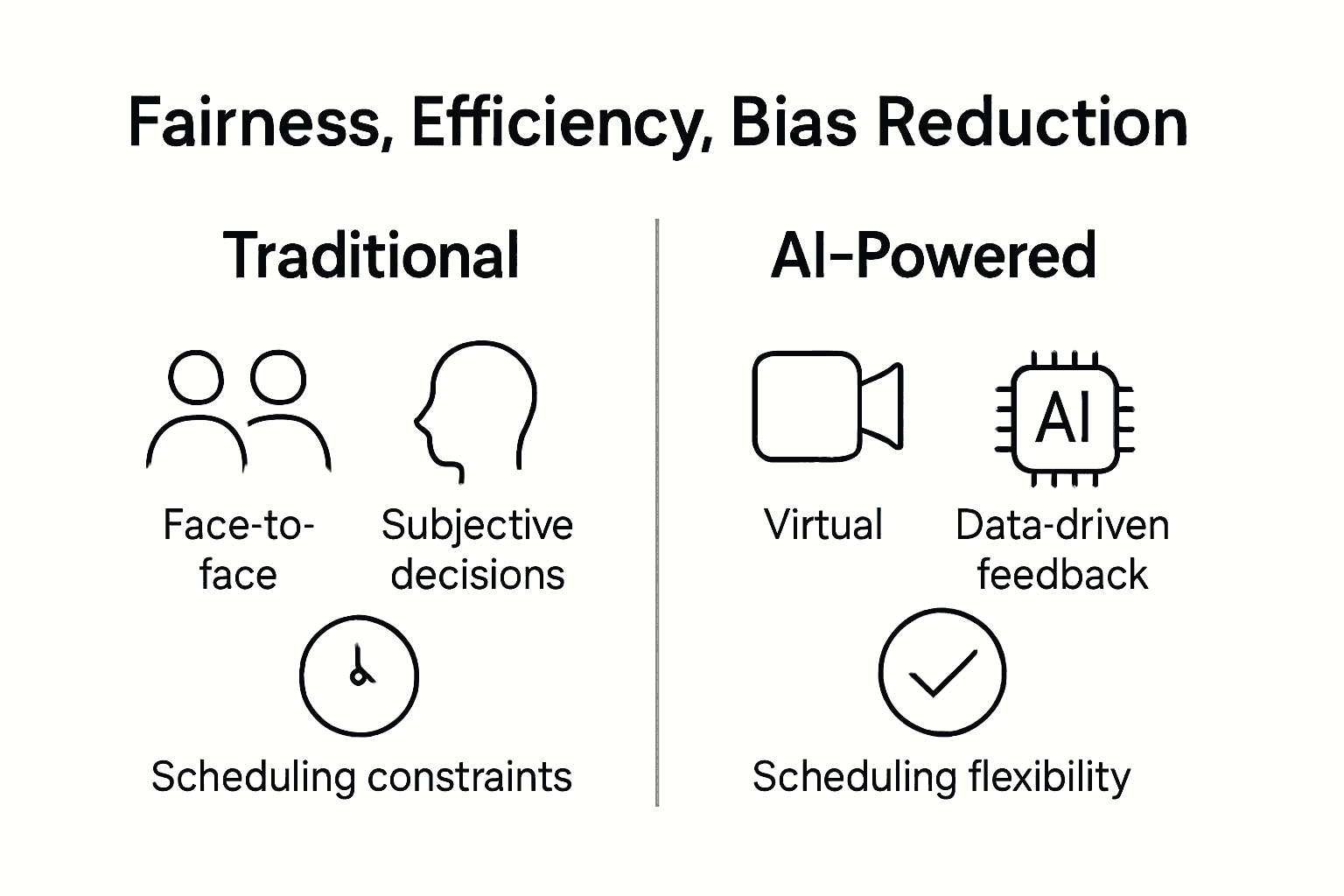
Understand the importance of ethical AI in job search to navigate the complex landscape of AI-driven recruitment technologies and make informed decisions about your professional journey.
Transform Your Interview Preparation with Real-Time AI Assistance
The article highlights the challenge of navigating complex AI-powered interviews where adaptive questioning and real-time feedback are critical. Many job seekers struggle with understanding nuanced interview contexts and delivering answers that truly showcase their skills. This is where an intelligent, real-time AI job interview assistant can bridge the gap. Our solution listens attentively and provides automatic answers to every question using advanced AI, helping you overcome uncertainty and perform with confidence.
Experience real-time guidance that adapts to your responses and take control of your interview success. With features inspired by the latest developments in AI-powered interview technology, you can practice anytime, get personalized feedback, and reduce anxiety caused by unfamiliar formats like one-way video interviews.
Take the next step towards mastering your interview by exploring how AI can enhance your preparation at Parakeet AI. Discover the full potential of AI interviewing tools that understand your needs in real-time by visiting our landing page and learn more about AI-driven mock interviews.
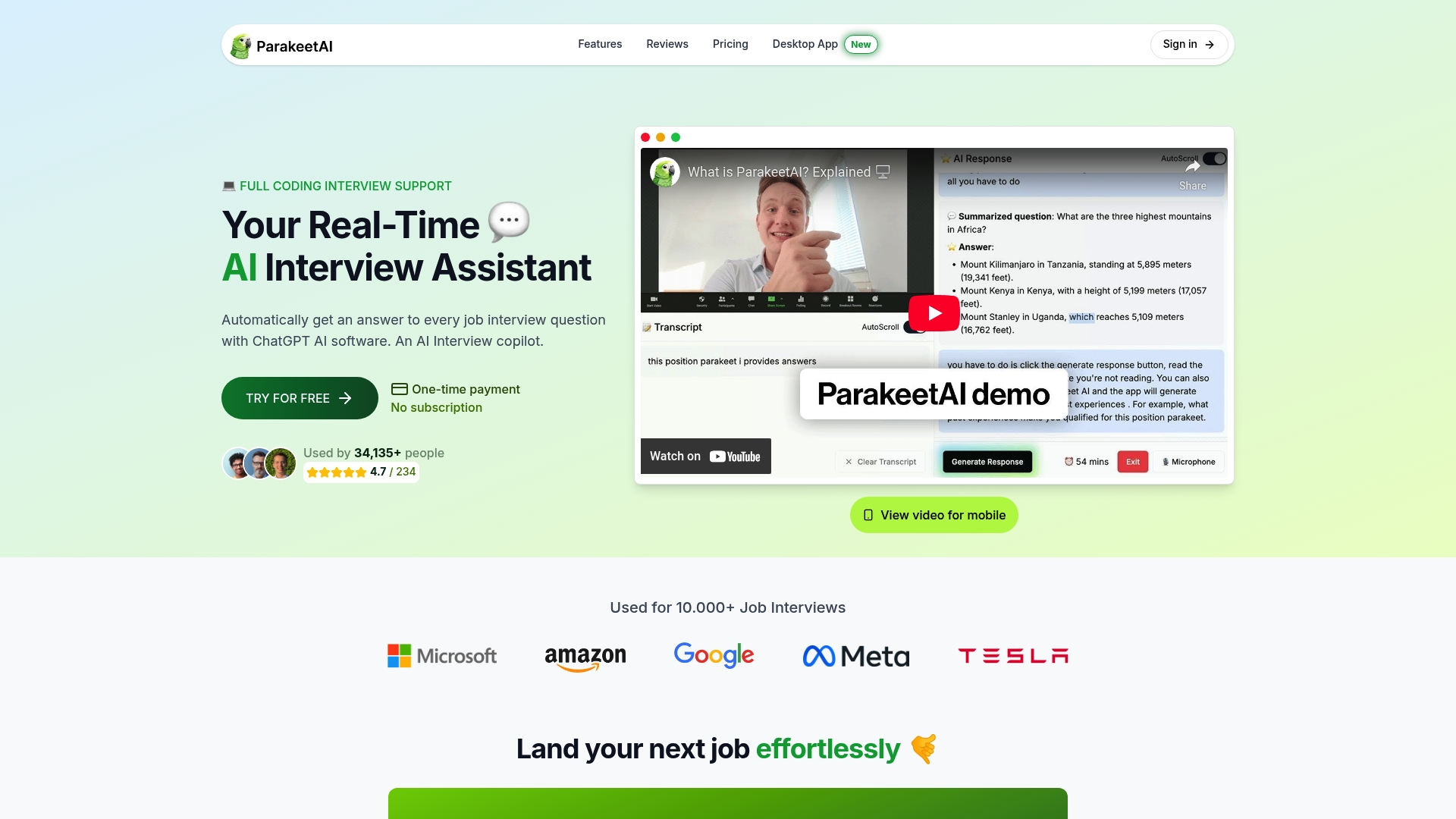
Do not wait to experience a smarter way to interview. Visit Parakeet AI now to start your journey with a real-time assistant designed to boost your confidence and performance in any interview setting.
Frequently Asked Questions
What is AI-powered interview technology?
AI-powered interview technology utilizes artificial intelligence systems to transform the recruitment process by simulating realistic interview experiences and providing personalized, adaptive interactions for candidates and employers.
How do real-time AI interview assistants work?
Real-time AI interview assistants leverage machine learning algorithms and natural language processing to create dynamic and interactive interview experiences that closely mimic human interactions, adapting to candidate responses in real-time.
What are the key benefits of using AI-powered interview tools for job seekers?
Key benefits include demonstrating skills through advanced simulations, receiving personalized and detailed feedback, helping to reduce bias in evaluations, and providing accessibility for practice interviews at any time and place.
What are some potential risks associated with AI-powered interview technologies?
Potential risks include algorithmic bias, emotional misinterpretation of candidates’ responses, technical accessibility issues for some candidates, and privacy concerns regarding data collection and handling.