
6 Essential Rules for a Job Interview Etiquette List
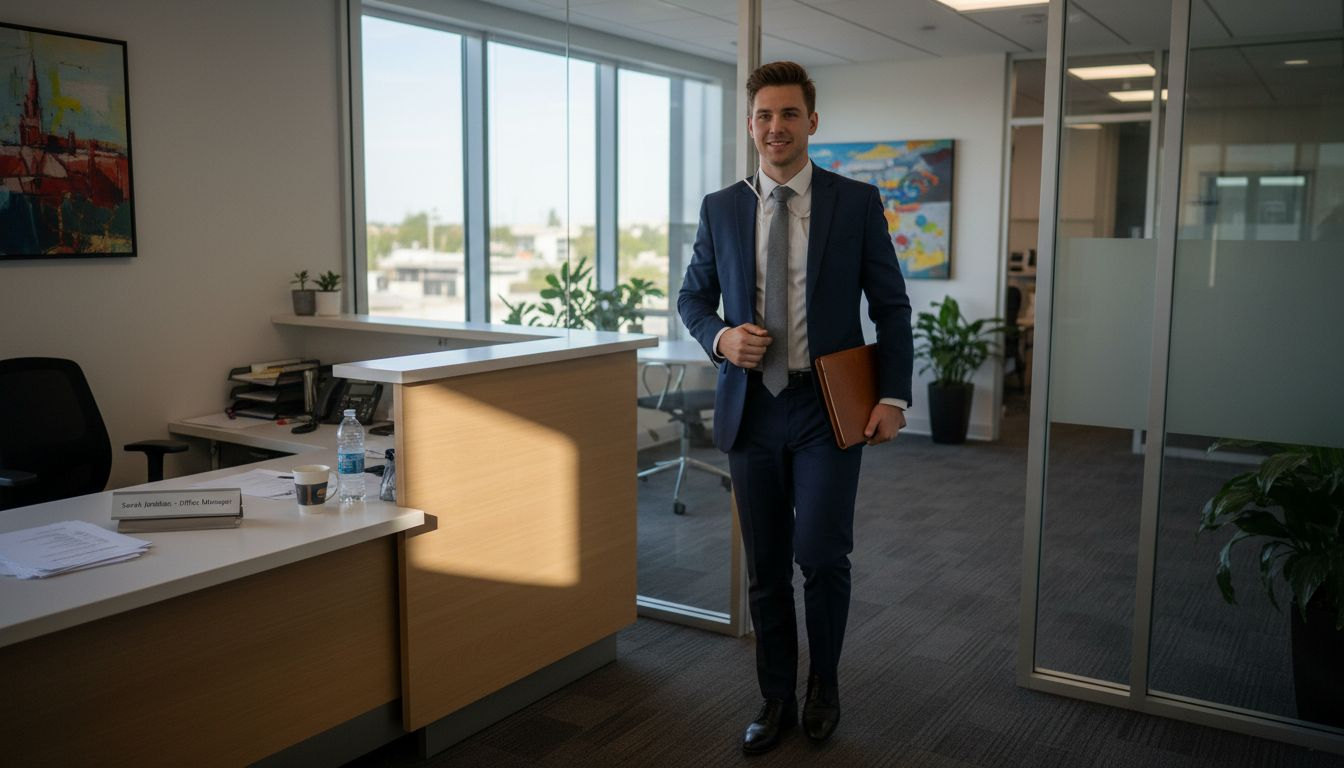
Job interviews often feel like high-pressure tests where every detail counts. Knowing exactly how to present yourself can make the difference between landing your dream role and walking away empty-handed. The right strategies will help you make a strong impression and navigate every stage of the interview—from arrival to follow-up. Get ready to discover step-by-step actions that will guide you through professional dress, timely arrival, respectful greetings, active listening, confident answers, and effective post-interview follow-up. Each insight is backed by research and is designed to boost your confidence and your chances of success.
Table of Contents
- Dress Professionally For First Impressions
- Arrive Early And Be Well Prepared
- Greet Interviewers With Respect
- Show Active Listening And Engagement
- Answer Questions With Honesty And Clarity
- Express Gratitude And Follow Up Properly
Quick Summary
| Key Message | Explanation |
|---|---|
| 1. Dress Professionally | Your attire shapes first impressions; ensuring a neat, intentional look conveys respect and professionalism. |
| 2. Arrive Early | Arriving 5 to 10 minutes early allows you to compose yourself and shows respect for the interviewer’s time. |
| 3. Practice Your Greeting | A thoughtful greeting sets a positive tone; practice it to combine warmth and confidence effectively. |
| 4. Engage Through Active Listening | Focus on the interviewer’s words and nonverbal cues to build rapport and respond more effectively. |
| 5. Send a Prompt Thank-You Note | A personalized thank-you message sent within 24 hours reinforces your interest and leaves a lasting impression. |
1. Dress Professionally for First Impressions
Your outfit before you say a single word decides how interviewers perceive you. First impressions form in about 7 seconds, and your clothing choice is the first thing they notice.
Why does this matter? When you dress professionally, you signal that you respect the opportunity and take yourself seriously. Interviewers unconsciously associate polished appearance with competence and professionalism. This isn’t fair, but it’s how human psychology works.
The goal is to look intentional and put-together, not trendy or casual. Think of professional dress as communicating without words: “I belong in this role.”
What Professional Dress Actually Means
Professional doesn’t mean one strict uniform. It changes based on industry and company culture. Here’s how different fields typically approach interview attire:
- Corporate or finance roles: Dark suits, white or light blue shirts, classic ties
- Tech startups: Business casual with polished shoes, no wrinkles or stains
- Creative industries: Elevated casual, but still neat and intentional
- Healthcare or education: Conservative business casual, nothing distracting
When in doubt, check the company’s website or LinkedIn. Look at how employees dress in their photos. Then dress one level more formal than what you see.
The Essential Elements of Professional Appearance
Focus on these core components:
- Well-fitting clothes: Nothing too tight, loose, or wrinkled. This is non-negotiable.
- Clean, polished shoes: Scuffed or dirty shoes instantly undermine your entire outfit.
- Neutral or muted colors: Navy, gray, black, white, or cream. These are always safe choices.
- Minimal accessories: A watch and perhaps earrings are fine. Avoid anything that jingles, clanks, or draws attention.
- Groomed hair and nails: Hair should be clean and styled. Nails should be clean, whether polished or natural.
Clothes that fit properly and sit without wrinkles instantly boost your confidence and how others perceive you.
Your appearance affects more than just how you look. It actually changes how you feel. When you dress professionally, you feel more authoritative and confident. This confidence shows in your body language and how you answer questions.
Planning Your Interview Outfit
Don’t choose your outfit the night before. Visit the interview location earlier in the week if possible. See what people actually wear. This reconnaissance removes guesswork.
Try on your entire outfit, including shoes and accessories. Walk around your house. Sit down. Stand up. Make sure nothing rides up, pulls, or feels uncomfortable. You’ll feel distracted in your interview if your clothes bother you.
Smart interview attire tips can help you refine specific choices for your situation. Check the weather forecast too. You don’t want to show up sweating or shivering.
Pro tip: Iron or steamer your outfit the morning of your interview, then hang it in a garment bag so it stays fresh. Arrive 10 minutes early so you have time to adjust your appearance and compose yourself before walking in.
2. Arrive Early and Be Well Prepared
Timing and preparation are your secret weapons. Showing up stressed and rushed sabotages everything else you’ve done to prepare. Being early isn’t just polite, it’s strategic.
Arriving with time to spare gives you space to breathe, collect your thoughts, and present yourself as calm and composed. Interviewers notice when candidates seem frazzled or rushed. They interpret it as disrespect for their time or lack of planning.
The Perfect Arrival Window
You might think arriving 30 minutes early is impressive. It’s not. The optimal arrival time is 5 to 10 minutes before the interview. Showing up much earlier can actually inconvenience your interviewer or create awkward situations where you’re sitting alone, making yourself nervous.
If you arrive more than 15 minutes early, wait outside the building or in a neutral spot. Check your phone, review your notes, and compose yourself. Then enter and check in at exactly the right moment.
Arriving 5 to 10 minutes early strikes the perfect balance between showing respect and avoiding unnecessary anxiety.
Planning Your Route
Don’t leave your arrival time to chance. Here’s what to do:
- Check the exact location and parking details at least 2 days before
- Use a maps application to see how long the trip actually takes
- Add 15 minutes as a buffer for traffic, wrong turns, or unexpected delays
- Plan to arrive 5 to 10 minutes early, not 30 minutes
- Know where to check in and who to ask for when you arrive
If you’re using public transportation, check the schedule and add buffer time. Train delays happen. Bus routes can be confusing. Give yourself room for human error.
What “Well Prepared” Actually Means
Preparation goes way beyond memorizing answers. It means arriving with everything you might need and a clear mind. Bring multiple copies of your resume, even if you submitted one electronically. Bring a notepad and pen. Have the company’s phone number saved in your phone.
Review your notes during that buffer time you created by arriving early:
- Company mission and recent news
- Key points about the role
- Two or three examples of your accomplishments
- Questions you want to ask
- Your own background story
You don’t need to memorize everything. Having your talking points fresh in your mind matters more than perfection.
Use Your Early Arrival Wisely
Once you check in, you might wait a few minutes. Don’t scroll mindlessly through your phone. Instead, take slow breaths and visualize the conversation going well. Review one or two key talking points. Adjust your posture and clothing one last time.
This quiet moment of preparation creates confidence. You’ll walk into that interview feeling grounded instead of panicked. Pre-interview planning transforms nervous energy into focused readiness.
Pro tip: Scout your interview location a day or two early if possible, so you know exactly how to get there and where to park. This removes all guesswork and lets you focus on preparation instead of logistics.
3. Greet Interviewers with Respect
Your greeting is your opening act. Within the first 10 seconds, you set the tone for everything that follows. A strong greeting communicates professionalism, confidence, and genuine interest in the role and the person interviewing you.
Many candidates underestimate this moment. They rush through it or treat it as a formality. But interviewers notice candidates who greet them with warmth and respect. It signals that you view this as a meaningful conversation, not just another box to check.
The Components of a Respectful Greeting
A professional greeting has several moving parts working together. They might seem small individually, but combined they create a powerful first impression.
- Use the correct name: Address your interviewer by their preferred name. If you’re unsure of pronunciation, ask politely when you arrive.
- Make firm eye contact: Look them in the eye for a few seconds. Not staring, not avoiding, just genuine connection.
- Offer a firm handshake: Your grip should be confident but not crushing. About 2 to 3 seconds of contact works well.
- Stand with open posture: Keep your shoulders back and your body language welcoming. Avoid crossing your arms.
- Express genuine pleasure: Say something like “I’m pleased to meet you” or “Thank you for taking the time to speak with me today.”
Your greeting is the first real interaction with your interviewer—make it count by combining warmth, confidence, and respect.
Adapt to Context and Format
A strong greeting sets the tone for the interview and varies based on the situation. Video interviews require slightly different approach than in-person meetings. In virtual settings, position yourself at camera level, maintain eye contact with the camera, and speak clearly.
Cultural context matters too. In some regions, handshakes are standard. In others, they’re less common. Research the company’s culture if possible. If you’re interviewing with someone from a different cultural background, a respectful nod combined with friendly eye contact is always safe.
What Comes After the Greeting
Don’t let your energy fade after the initial hello. Transition smoothly into conversation:
- Wait for the interviewer to sit before you sit
- Place your phone on silent immediately
- Keep your bag or jacket organized and out of your lap
- Maintain good posture throughout
- Listen actively when they speak
Your greeting sets expectations for how respectful and engaged you’ll be during the entire interview. Maintain that energy and professionalism from that first handshake all the way through.
Practice This Moment
Don’t wing it. Practice your greeting with a friend or family member. Say your words aloud. Test your handshake. Notice how it feels to make eye contact and smile simultaneously. This practice removes awkwardness and builds confidence.
When you walk into that interview room, you’ll have done this motion a dozen times already. Your body will know what to do.
Pro tip: Before you enter the interview room, take one slow breath and smile at yourself mentally. This small moment of calm centers you and creates genuine warmth in your expression when you greet your interviewer.
4. Show Active Listening and Engagement
Most candidates focus on what they’ll say. The real power lies in what you listen for. Active listening transforms interviews from one-sided question sessions into genuine conversations where both people feel heard and respected.
When you listen well, interviewers notice. You ask better questions. Your answers directly address what they actually care about. You build rapport without trying. This skill separates memorable candidates from forgettable ones.
Why Active Listening Matters in Interviews
Active listening requires full focus on the interviewer, not just waiting for your turn to speak. It means understanding their questions deeply, picking up on what they emphasize, and responding thoughtfully. When interviewers see that you genuinely care about understanding their needs, they feel valued and respected.
This creates a feedback loop. The interviewer feels heard. They become more open and honest with you. The conversation flows more naturally. The whole experience becomes less like an interrogation and more like a dialogue.
Active listening builds rapport, demonstrates respect, and makes the interview conversational rather than one-sided.
The Practical Skills of Active Listening
Here’s what active listening looks like in action:
- Pause before responding: Don’t jump in the moment they finish speaking. Take a breath. Think about what they said.
- Ask clarifying questions: If something isn’t clear, ask respectfully. “Could you tell me more about what you mean by that?” shows genuine interest.
- Reflect back what you hear: Paraphrase key points. “So it sounds like collaboration is a major part of this role.” This confirms understanding.
- Notice nonverbal cues: Watch their body language and tone. These reveal what they truly care about, beyond just the words.
- Take brief notes: Jotting down key points signals that you’re taking the conversation seriously.
How This Improves Your Responses
When you listen carefully, your answers become more relevant and specific. You’re not delivering generic scripts. You’re responding directly to what the interviewer actually asked and what they genuinely care about.
For example, if an interviewer emphasizes teamwork three times during the conversation, you now know that collaboration matters to them. Your stories and examples should reflect that value. This targeted approach shows you’re paying attention and thinking strategically.
Active listening is crucial in interviews for understanding expectations and making your answers more compelling. It signals professionalism and improves how interviewers perceive your fit for the role.
The Engagement Factor
Engagement means showing genuine interest through your energy and participation. Lean forward slightly. Maintain eye contact. Nod occasionally to show understanding. Smile when appropriate. These small gestures communicate that you’re invested in the conversation, not just checking boxes.
Don’t rush silences. If an interviewer pauses to think, let them think. Don’t fill every gap with nervous chatter. Comfortable silence actually signals confidence.
Pro tip: After the interviewer asks a question, pause for 2 to 3 seconds before answering. This pause shows you’re thoughtful and not just regurgitating memorized answers, which makes you seem more genuine and engaged.
5. Answer Questions with Honesty and Clarity
Your answers reveal who you are. They show your thinking, your values, and your ability to communicate under pressure. Honesty paired with clarity builds trust faster than any polished response ever could.
Many candidates try to say what they think interviewers want to hear. This backfires. Interviewers can sense when you’re being inauthentic. Instead, answer truthfully while staying professional. This combination makes you memorable and credible.
Why Honesty Matters
Trust is built through authenticity. When you admit what you don’t know or acknowledge a past mistake honestly, interviewers see someone self-aware and grounded. This is more valuable than false perfection.
Honesty doesn’t mean oversharing or being brutally negative. It means giving straightforward answers without spinning the truth. If you made an error in a previous role, own it and explain what you learned. This shows maturity and accountability.
Honesty builds trust while strategic clarity ensures your message lands exactly where you intend.
Structuring Clear Answers
Clarity means your interviewer understands your point without confusion. Rambling answers lose people. Vague answers frustrate them. Clear answers show respect for their time and demonstrate solid communication skills.
Use this simple structure for most interview questions:
- Understand the question fully: Ask for clarification if needed. “Are you asking about my experience with team projects or my leadership style?”
- State your main point upfront: Don’t bury your answer. Lead with your key idea.
- Support with examples: Use specific stories, not generic statements. The STAR method (Situation, Task, Action, Result) works well here.
- Connect to the role: Tie your answer back to what matters for this position.
- Keep it concise: Aim for 60 to 90 seconds per answer, not 5 minutes.
Honesty in Practice
Here’s how honesty and clarity work together:
- Admit gaps: “I haven’t worked with that specific software, but I’ve learned similar programs quickly in the past.”
- Acknowledge mistakes: “I missed a deadline once because I underestimated the project scope. Now I break projects into smaller milestones.”
- Be direct about career moves: “I left that role because I wanted more growth opportunities, which I think this position offers.”
- Say “I don’t know”: If you truly don’t know something, say so. Then offer to find the answer.
Structuring interview responses naturally helps ensure your honest answers come across clearly and professionally. This balance prevents misunderstandings and keeps the conversation focused.
The Power of Specific Examples
Generic answers blur together. Specific stories stick. Instead of saying “I’m a good problem solver,” describe a time you actually solved a real problem. Name the challenge. Explain your action. Share the outcome with numbers if possible.
This specificity makes your honesty credible. Interviewers believe concrete examples far more than abstract claims.
Pro tip: Before your interview, write down 5 to 7 specific stories from your past that show different strengths. Practice telling each one in under 90 seconds so you can draw from them naturally when questions come up.
6. Express Gratitude and Follow Up Properly
The interview doesn’t end when you leave the room. Your final impression comes after you’re gone. A thoughtful thank-you message and proper follow-up can seal the deal or cost you the job.
Many candidates skip this step or treat it as optional. Big mistake. Your follow-up shows that you care enough to invest a few more minutes. It keeps you top-of-mind when the hiring team makes their decision.
Express Gratitude Before You Leave
Before you shake hands and exit, say thank you. Make it specific and genuine. Don’t just say “Thanks for your time.” Instead, reference something from your conversation. “Thank you for explaining the team structure. I’m excited about how collaborative this role sounds.”
This moment shows grace and appreciation. It leaves a positive emotional impression. People remember how you made them feel, not just what you said.
A genuine thank-you in the moment and a follow-up message within 24 hours demonstrate professionalism and genuine interest.
The Follow-Up Message Matters More Than You Think
Send a thank-you email within 24 hours while the conversation is fresh. This isn’t just a courtesy. It’s your chance to reinforce your interest and address anything you wish you’d said better.
How to close an interview with confidence extends beyond the handshake and includes strategic follow-up that reinforces your candidacy. Your message should feel personal, not templated.
Crafting an Effective Thank-You Email
Keep your email concise and genuine. Here’s the structure that works:
- Subject line: Use something clear like “Thank you for our conversation today”
- Opening: Mention something specific from your interview
- Body: Reiterate your interest and add one new thought you didn’t fully express
- Closing: Keep it simple with “Best regards” or “Thank you again”
- Length: Three to four short paragraphs, maximum
Example: “I appreciated hearing about the project management challenges your team faces. I realized I didn’t fully explain my experience with cross-functional collaboration, which is directly relevant to what you described. I’m genuinely excited about this opportunity.”
Avoid the generic template email. Avoid being too casual. Avoid sending it days later. Timeliness and personalization matter.
Multi-Interview Follow-Up Strategy
If you interview with multiple people, send individual thank-you emails to each person. Reference something specific from each conversation. This effort demonstrates attention to detail and genuine interest.
- Send emails within 24 hours
- Keep each message personal and specific
- Mention details only that person would know
- Maintain professional tone throughout
- Proofread carefully for typos
When to Follow Up Again
If you haven’t heard back after one week, send a polite follow-up email asking about the timeline. “I remain very interested in this role. Could you share when I might expect to hear about next steps?” This shows persistence without being pushy.
Pro tip: Send your thank-you email from your phone or computer while you’re still in the car, before you forget details. The sooner you send it, the fresher your gratitude feels and the more likely you are to include specific references from the conversation.
Below is a comprehensive table summarizing the key strategies and insights discussed throughout the article regarding preparing for and succeeding in a job interview.
| Tip/Advice | Details | Key Benefits |
|---|---|---|
| Dress Professionally | Choose intentional and appropriate attire matching the company culture, ensuring clothing is neat and well-fitting, with clean shoes and subdued accessories. | Establishes a positive first impression, conveys professionalism. |
| Arrive Early and Prepared | Plan your arrival to be there 5–10 minutes ahead, avoiding earlier or later, knowing the location and routes, and bringing necessary materials like resumes. | Allows you to compose yourself, demonstrating reliability. |
| Greet Interviewers Respectfully | Use correct names, firm handshake, eye contact, and open posture while expressing genuine pleasure to meet. | Creates a welcoming and professional initial interaction. |
| Show Active Listening and Engagement | Focus on the interviewer’s questions, pause before responding, paraphrase for confirmation, and express genuine enthusiasm with body language. | Demonstrates respect and interest, fostering meaningful dialogue. |
| Answer Questions with Honesty | Provide truthful and concise answers using a structured approach like the STAR method, honestly addressing gaps or mistakes while showcasing learning outcomes. | Builds trust, communicates self-awareness and credibility. |
| Follow Up and Express Gratitude | Thank the interviewer immediately post-interview, followed by a personalized thank-you email within 24 hours, referencing specific discussion points. | Reinforces your positive impression and genuine interest. |
Master Job Interview Etiquette with Real-Time AI Support
Navigating the complexities of job interview etiquette can be daunting. From dressing professionally to answering questions with honesty and clarity the stakes are high and the pressure intense. This article highlights critical challenges such as maintaining confidence, delivering clear responses, and making strong first impressions. If you want to overcome these pain points and meet your goal of excelling in every interview moment imagine having a partner that listens and guides you live.
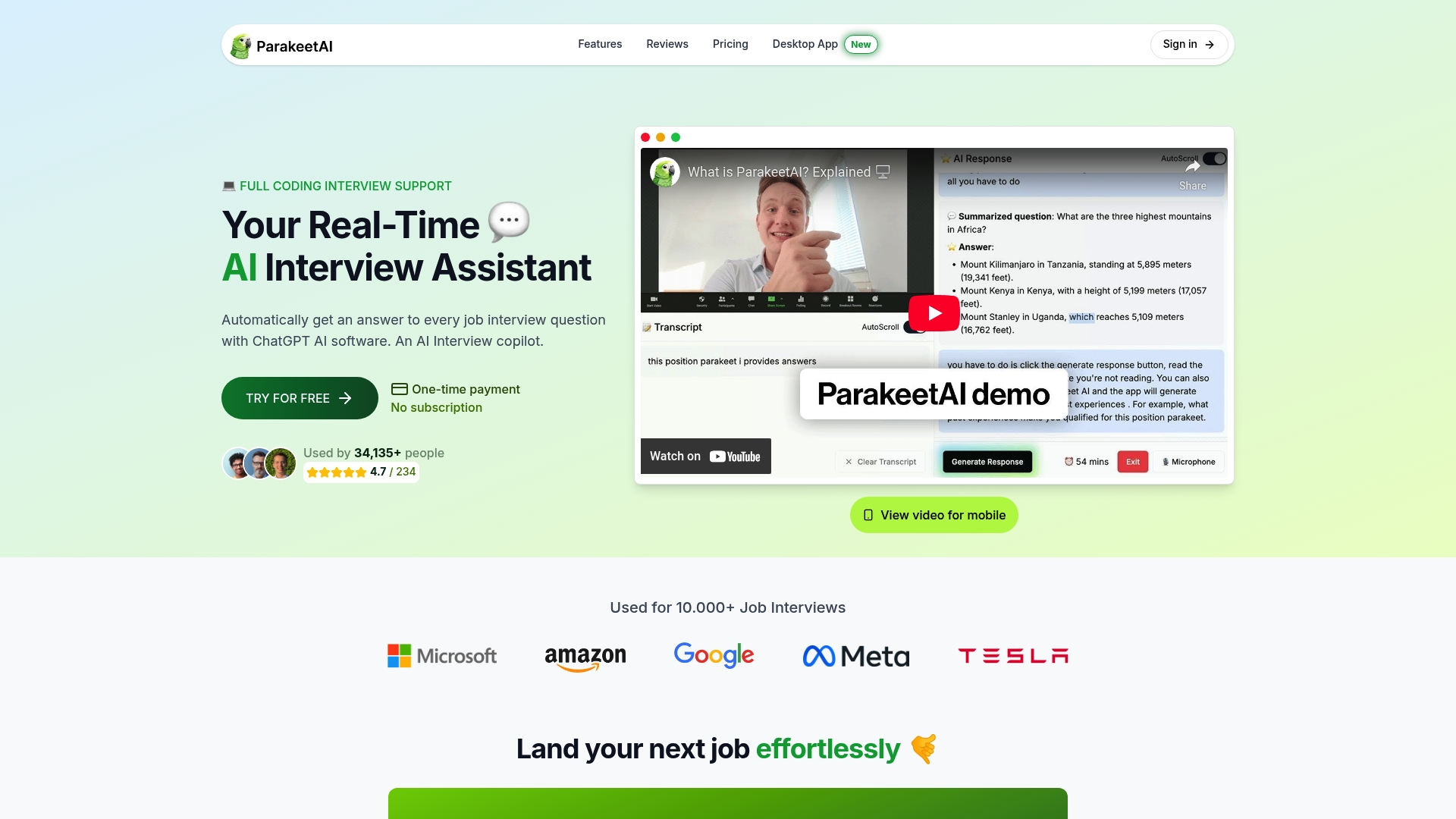
Experience the power of a real-time AI job interview assistant that offers instant answers and personalized support to sharpen your communication skills and ensure you follow essential rules flawlessly. Don’t let nerves or uncertainty hold you back. Visit Parakeet AI to start practicing now and build unshakable confidence by engaging with resources like our Interview Response Structuring Guide and tailored tips on how to close an interview confidently. Take control of your future with smart technology that helps you listen actively, answer clearly, and leave a lasting positive impression. Begin your journey today at Parakeet AI.
Frequently Asked Questions
What should I wear to a job interview?
Dress professionally to make a great first impression. Choose an outfit that fits well and is appropriate for the industry, aiming to be one level more formal than what employees typically wear.
How early should I arrive for my job interview?
Aim to arrive 5 to 10 minutes early for your interview. This balance allows you to collect your thoughts without disrupting the interviewer’s schedule.
What should I do if I don’t know the answer to a question during the interview?
If you encounter a question you cannot answer, be honest about it. Say, “I don’t know the answer to that, but I can research it” to show your willingness to learn and improve.
How can I express gratitude after my interview?
Send a thank-you email within 24 hours of your interview. Make it personal by referencing specific moments from your conversation to show your genuine interest in the role.
Why is active listening important during an interview?
Active listening demonstrates your genuine interest in the conversation and helps you build rapport with the interviewer. Practice pausing before responding to ensure your answers directly address their questions.
What are key components of a respectful greeting in a job interview?
A strong greeting includes making eye contact, offering a firm handshake, and addressing the interviewer by name. Practice this greeting to set a positive tone right from the start.