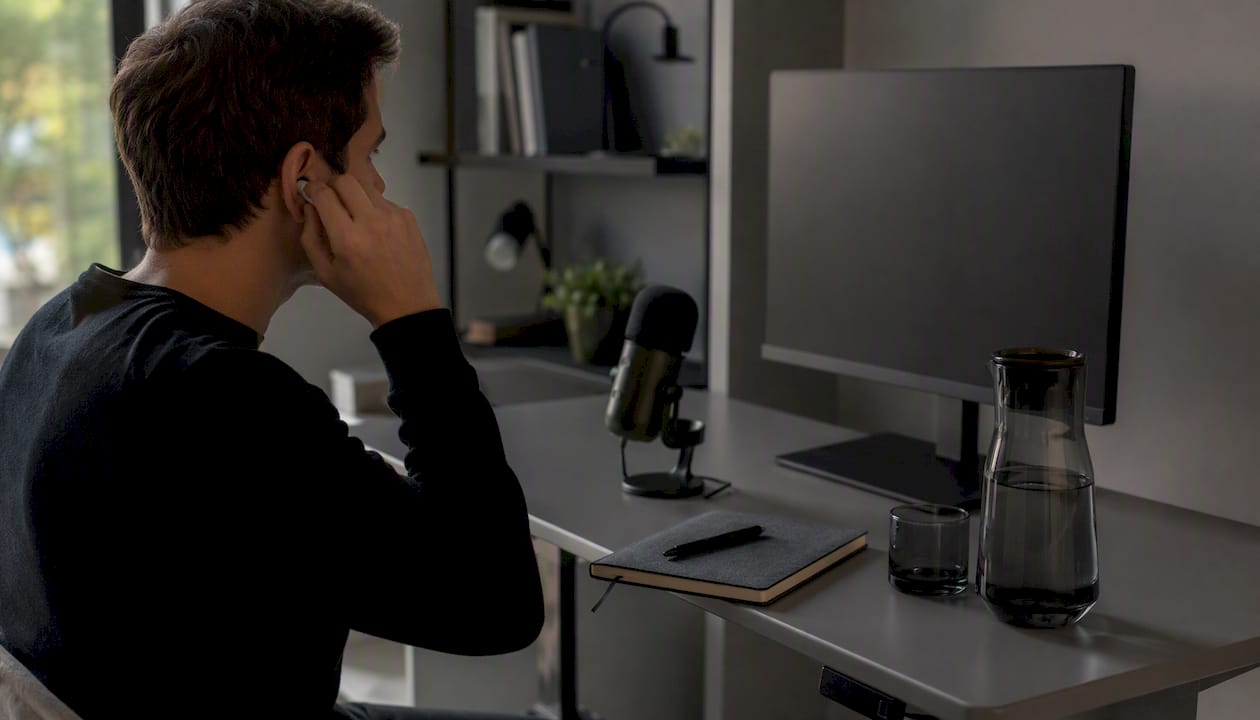
5 effective interview habits every job seeker needs

TL;DR:Master the STAR method to structure clear, memorable behavioral responses quickly.Practice answering aloud under simulated stress to build confidence and reduce anxiety.Make a positive first impression with confident body language and follow up effectively post-interview.
Most interview decisions are made within the first 5 minutes of meeting a candidate. That’s not a lot of time to make your case. Yet top candidates consistently outperform their peers not because they’re naturally gifted, but because they’ve built specific, repeatable habits that signal confidence, competence, and genuine fit. This article breaks down five evidence-backed interview habits that can meaningfully improve your outcomes, from how you structure your answers to what you do after you leave the room. Each habit is grounded in real data and practical advice you can start using today.
Table of Contents
- Master the STAR method for behavioral questions
- Practice out loud under simulated stress
- Nail the first impression with body language and attitude
- Follow up like a pro: thank-you notes and closing the loop
- Why genuine preparation outshines over-polished performance
- Get ready for your next interview with AI-powered guidance
- Frequently asked questions
Key Takeaways
| Point | Details |
|---|---|
| STAR responses win | Structured STAR stories are the most effective way to answer behavioral interview questions with confidence. |
| Practice boosts results | Rehearsing answers out loud in realistic settings can raise your interview performance by up to 40 percent. |
| First impressions count | A strong opening, confident body language, and a positive attitude influence 85 percent of interview outcomes. |
| Follow up for success | Sending thank-you notes and professional follow-ups increase your chances of getting hired by 10 percent. |
| Authenticity matters | Interviewers prefer authenticity over memorized answers, so practice but stay true to yourself. |
Master the STAR method for behavioral questions
With interview outcomes often set in minutes, you need a way to stand out fast. Structured storytelling is one of the most reliable tools available, and the STAR method is the gold standard for behavioral interview answers.
STAR stands for Situation, Task, Action, Result. Here’s what each component means:
- Situation: Set the scene. Briefly describe the context where the challenge occurred.
- Task: Explain your specific responsibility or goal within that situation.
- Action: Walk through the exact steps you took to address the challenge.
- Result: Share the measurable outcome your actions produced.
The reason STAR works so well is that it forces clarity. Interviewers don’t want to piece together a rambling story. They want to understand what you did and why it mattered. STAR is recommended by Harvard Business School Online and HBR as the most effective framework for behavioral responses. When you use it consistently, your answers become easier to follow and far more memorable.
Building a library of STAR stories before your interview is the real habit here. Think of it like preparing a toolkit. You want stories that demonstrate leadership, problem-solving, collaboration, and resilience. The more stories you have ready, the more flexibly you can respond to unexpected STAR interview questions in the moment.
Deliberate practice with STAR builds what coaches call muscle memory for storytelling. After repeating a story several times, you stop thinking about the structure and start focusing on delivery. That shift is where confidence comes from.
Pro Tip: Before each interview, review the job description and map your STAR stories to the specific competencies the role requires. If the job emphasizes cross-functional collaboration, lead with a story that proves it. Tailoring your stories to the role signals preparation and genuine interest. You can also review behavioral interview tips to sharpen your approach before the big day.
Practice out loud under simulated stress
After mastering story structure, practicing delivery is the next pillar of top interview performance. Most people prepare by reading notes in their head. That’s not enough.
Practicing out loud is a fundamentally different experience. When you speak your answers, you discover awkward phrasing, run-on sentences, and moments where your logic falls apart. Silent review hides all of that. Practicing out loud boosts confidence by 40%, and rehearsing each answer five times improves performance by 35%.
Here’s a simple out-loud practice routine to build before your next interview:
- Write out your STAR stories in full before you speak them. This clarifies your thinking.
- Set a timer for two minutes per answer. Most strong interview responses land in 90 to 120 seconds.
- Sit in a firm chair at a desk, not your couch. Posture affects how you project your voice and energy.
- Record yourself on your phone or laptop. Watching the playback reveals habits you can’t feel in the moment.
- Repeat each story five times across multiple sessions, not just once before bed.
“The best interview preparation doesn’t just rehearse words. It rehearses the emotional state you want to be in when the pressure is real.”
Simulated stress matters because real interviews are not relaxed conversations. You’re being evaluated, the stakes feel high, and your nervous system responds accordingly. Practicing under mild stress, like timing yourself or asking a friend to interrupt you with follow-up questions, trains your brain to stay calm when it counts. Mock interviews reduce anxiety by up to 25%, which directly improves how you come across on the day.
Pro Tip: Use an AI interview tool to record and review your sessions. AI can flag filler words, pacing issues, and moments where your answer loses structure. That kind of feedback is hard to get from a friend and impossible to get from reading notes. Avoiding common interview pitfalls starts with honest, objective self-review.
Nail the first impression with body language and attitude
Once you can deliver your stories under pressure, making a positive first impression is your gateway to progressing further. The data here is striking.

85% of interview outcomes are decided in the first five minutes. Positive body language scores candidates 30% higher on overall evaluations, and poor attitude disqualifies 70% of otherwise qualified candidates. These numbers should change how you think about walking into a room.
Positive vs. negative first impressions: a quick comparison
| Behavior | Positive impact | Negative impact |
|---|---|---|
| Eye contact | Signals confidence and engagement | Avoidance reads as dishonest or nervous |
| Posture | Open posture increases perceived authority | Slouching signals low energy or disinterest |
| Handshake | Firm grip boosts hire chance by 12% | Limp handshake creates immediate doubt |
| Smile | Increases likability by 25% | Flat expression feels cold or disengaged |
| Tone of voice | Enthusiasm signals genuine interest | Monotone delivery suggests low motivation |
The table above shows that body language isn’t just polish. It’s substance. Interviewers form impressions before you say a single word about your experience.
Here are the body language habits worth building before your next interview:
- Walk in with your shoulders back and head level. Don’t rush.
- Make eye contact when you greet the interviewer. Hold it naturally, not aggressively.
- Smile genuinely when you introduce yourself. It sets a warm, confident tone.
- Keep your hands visible and relaxed during the conversation.
- Lean slightly forward when listening. It signals active engagement.
Your “Tell me about yourself” answer is also part of this first impression window. Prepare a crisp 60 to 90 second version that connects your background directly to the role. For more targeted advice on high-stakes settings, check out technical interview tips to see how these habits apply in specialized contexts.
Follow up like a pro: thank-you notes and closing the loop
Even after a strong in-person impression, the right follow-up solidifies your standing. Most candidates skip this step entirely, which makes it one of the easiest ways to stand out.
Sending thank-you notes increases your chances of receiving a job offer by 10%. That’s a meaningful lift for something that takes less than 15 minutes to do.
Thank-you note best practices at a glance
| Element | What to include | What to avoid |
|---|---|---|
| Timing | Send within 24 hours of the interview | Waiting more than 48 hours |
| Personalization | Reference a specific moment or topic | Generic “thank you for your time” only |
| Length | 3 to 5 short paragraphs | Long, essay-style emails |
| Tone | Professional but warm | Overly formal or stiff language |
| Call to action | Express continued interest in the role | Asking about salary or timeline too soon |
Here’s what a strong follow-up habit looks like in practice:
- Send a separate note to each person you met with. One generic email to the group feels lazy.
- Reference something specific from your conversation. A shared insight, a challenge they mentioned, or a question that sparked real discussion.
- Restate your enthusiasm for the role in one sentence. Keep it genuine, not desperate.
- Proofread carefully. A typo in a thank-you note undercuts the professionalism you built in the room.
- Use AI to draft and review your message before sending. AI tools can catch awkward phrasing and help you strike the right tone.
Pro Tip: During the interview, take a mental note of one specific moment that felt meaningful, a problem they’re trying to solve, a value they emphasized, or a question that surprised you. Reference that moment in your thank-you note. It proves you were fully present and genuinely engaged. For more preparation resources, explore technical interview prep to round out your readiness.
Why genuine preparation outshines over-polished performance
Here’s something most interview guides won’t tell you: over-preparation can actually hurt you. Not because practice is bad, but because there’s a point where polish tips into performance, and interviewers notice.
77% of interviewers say they prefer authenticity over rote, rehearsed answers. Self-presentation tactics, the kind that focus purely on impression management, often fail to predict actual job performance. Interviewers who have seen thousands of candidates can tell the difference between someone who has genuinely thought about a problem and someone who is reciting a memorized script.
There’s also a counterintuitive warning worth heeding. Easy interviews that feel effortless often signal low selectivity on the company’s part. Research shows this correlates with lower job satisfaction and higher turnover. If you breeze through an interview without being challenged, that might be a red flag about the role, not a green light.
The habits in this article work best when they serve your authentic self, not replace it. STAR stories should be your stories. Out-loud practice should sharpen your natural voice, not create a new one. Body language habits should reinforce your genuine confidence, not manufacture a persona.
Our take: use AI tools to identify where your preparation crosses the line into inauthenticity. If you’re reviewing a recording and your answer sounds like a press release, simplify it. The goal is to be the best, clearest version of yourself. Explore engineering interview insights to see how this balance plays out in technical contexts.
Get ready for your next interview with AI-powered guidance
Putting these habits into practice consistently is where most candidates struggle. Knowing what to do and actually doing it under pressure are two very different things.
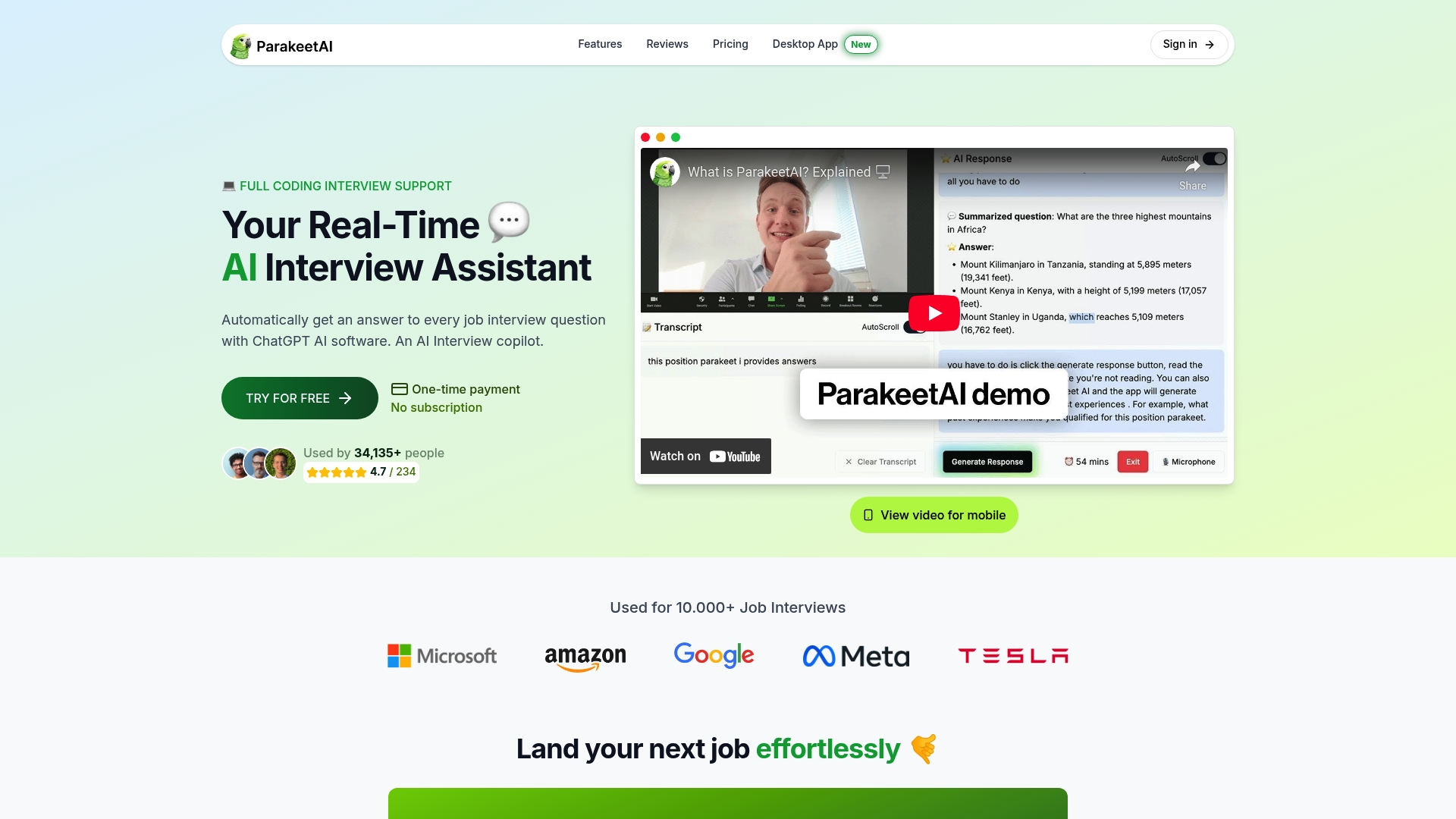
ParakeetAI is a real-time AI interview assistant that listens to your interview as it happens and automatically provides answer guidance for every question you’re asked. It’s designed to help you apply the habits covered here, from structuring STAR responses to maintaining composure under pressure, without breaking your focus mid-conversation. Whether you’re preparing for your first interview or your tenth, ParakeetAI gives you the support to walk in ready and walk out confident.
Frequently asked questions
What is the STAR method and how does it help in interviews?
The STAR method structures your answers by describing the Situation, Task, Action, and Result, making your stories clear and easy to follow. STAR is recommended by Harvard Business School Online and HBR as the most effective behavioral interview framework.
How many times should I practice my interview answers before the real thing?
Practicing each answer out loud five times is proven to improve performance by 35%. Spreading those repetitions across multiple sessions is more effective than cramming them all in one night.
What are the most important body language tips for interviews?
Smile, maintain steady eye contact, and give a firm handshake to set a positive tone. Smiling increases likability by 25% and a firm handshake boosts your hire chance by 12%.
Do thank-you notes really impact my chances of getting hired?
Yes, sending thank-you notes can increase offer chances by 10%. Personalizing the note with a specific reference from your conversation makes it significantly more effective than a generic message.
Should I be wary of interviews that seem too easy?
Interviews that feel too easy might indicate a poor fit or low selectivity. Research shows this pattern correlates with lower job satisfaction and higher employee turnover.